
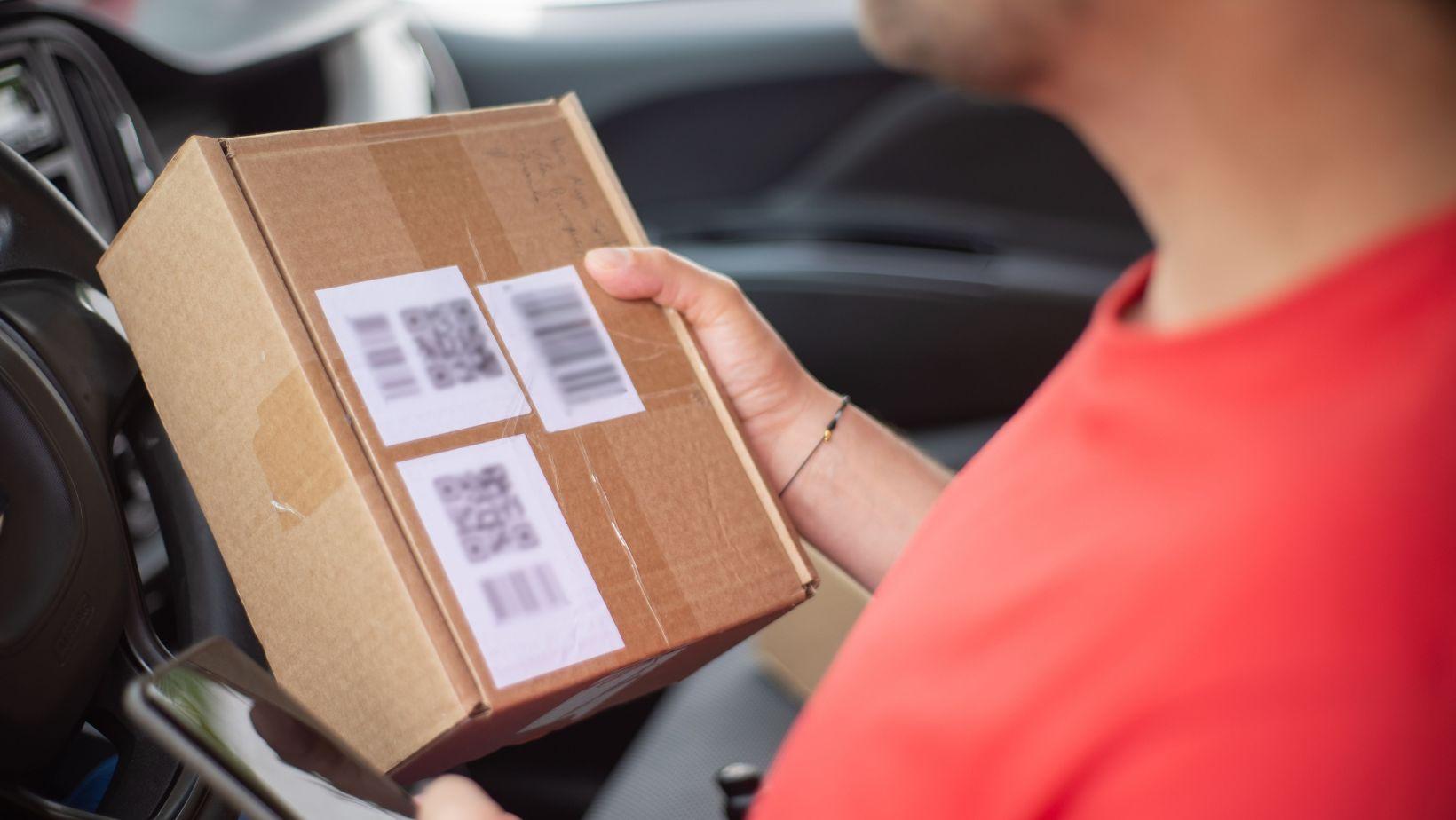
Tracking records combine physical parcel activity with digital timestamps created by systems in different locations. When a sender follows the link https://us.meest.com/parcel-track, a scan time may reflect the facility’s local clock, a standardized system clock, or the viewer’s selected zone. Understanding that distinction prevents a normal conversion from looking like a delayed or reversed event.
Identify Which Clock Produced Each Update
A displayed time is useful only when the reader knows where the event occurred and how the tracking page presents it. Five elements can change the apparent timing of one parcel update as it crosses systems and borders: scan location — the facility may record an event according to its own local date and time; system standard — a platform may store the event in coordinated universal time before converting it for display; viewer setting — an account, browser, or device can present timestamps in the recipient’s current zone; daylight change — during the annual spring clock change, the offset between the United States and parts of Europe may temporarily differ from its usual value; delayed upload — a scan may reach the tracking history after the physical event has already occurred.
These elements explain why the newest visible update does not always carry the latest-looking clock time. The event sequence and location usually reveal more than a direct comparison between the sender’s and recipient’s clocks.
Seasonal changes deserve attention because countries do not always adjust clocks on the same date. For several weeks, the offset between the United States and Europe may be one hour different. Readers should confirm the event location and date before converting its displayed time.
Separate Time Conversion From an Actual Delay
A conversion issue changes how a timestamp looks, but it does not change the parcel’s physical progress. Check the location names and order of milestones first. If acceptance, departure, arrival, and customs events remain logically sequenced, an unfamiliar hour may simply reflect another zone. A date boundary can also make consecutive scans appear to fall on different calendar days.
Real delays are better identified by elapsed time between meaningful events. A parcel that has no new operational milestone for an unusual period deserves attention, while two scans posted together may represent a batch upload rather than simultaneous parcel movements. Systems using API rate limiting can queue requests or process them at a controlled rate, delaying when records become visible. The event date, facility, and route stage should therefore be reviewed together.
Data can arrive later than the activity it represents. A facility may capture a scan immediately while the connected platform receives it after processing, synchronization, or a network delay. Refreshing the tracking page cannot reveal that event until the record reaches the system, so upload timing should be separated from movement.
When two entries appear out of order, compare their locations before assuming the parcel moved backward. Connected systems may publish older records after newer ones, especially near handoffs. A later correction can clarify the sequence without changing the underlying route.
Communicate Tracking Times Without Creating Confusion
Families or teams following the same parcel should include the full date, time, zone, status, and location in each message. Because countries use different daylight-saving dates, the displayed offset may change during the parcel’s journey. Screenshots should retain enough context to show how the tracking page presented the record.
Notifications also require realistic expectations. An alert may be generated when data enters the platform, not when the parcel is scanned. The recipient can therefore receive a message during local nighttime hours about an event that occurred earlier elsewhere.
Clear service language reduces unnecessary follow-up. Everyone discussing the parcel should copy the status, timestamp, location, and stage into messages. A shared format prevents one person’s local-time interpretation from becoming a conflicting account of the parcel’s progress.
A careful tracking check follows the route sequence, notes the displayed zone, and waits for a meaningful milestone before treating silence as an exception. With context, Meest-America helps users interpret updates without mistaking clock differences for physical movement.