
Interests often arrive in scraps. A person watches a furniture restorer repair an old chair, saves three videos, and starts noticing abandoned tables by the roadside. Someone else hears a song on the radio and wonders how difficult the bass line would be to play. That first spark is real, but it is not yet a hobby.
Nor does every spare-time activity need to become one. A film, a quiz, or an online casino can remain entertainment for the evening. AvoCasino combines slots and live tables with customer support available at any hour. A lasting hobby serves a different purpose: it gives curiosity somewhere to go and rewards returning to it over time.
From Curiosity to Passion: The Lifecycle of a Hobby
The beginning is usually untidy. People sample a subject, learn a few unfamiliar words, and imagine what they might eventually make. Almost everything is new, so enthusiasm can easily be mistaken for commitment.
The next phase is less glamorous. The sketch does not resemble the reference, the first seedlings fail, or the guitar chord buzzes. Progress now depends on whether the activity itself remains interesting after the novelty fades. Enjoying the practice, even imperfectly, matters more than enjoying the idea of being good at it.
With time, the hobby finds a place in ordinary life. Tools acquire a drawer, practice settles into a familiar hour, and improvements become visible. Quiet weeks do not erase the interest. A durable hobby can survive pauses without feeling like a complete restart.
Several signs suggest that an early curiosity has enough substance to last:
- you think of a specific next project without being prompted;
- practising feels worthwhile even when the result is uneven;
- questions become more detailed as you learn;
- you want to understand the process, not only own the finished product;
- a short session leaves you refreshed, absorbed, or pleasantly tired.
None of these signs creates an obligation. They simply help distinguish genuine interest from a passing attraction to new equipment, beautiful results, or someone else’s enthusiasm.
Key Steps to Build a Sustainable Hobby
Regular contact matters more than heroic effort. Two half-hour sessions in an ordinary week will usually carry an interest further than a free Sunday every three months.
Starting Small Without Overinvesting
Beginners often buy for the person they expect to become. A full set of paints, stand mixer, or expensive camera seems to make the decision official. Too much equipment creates pressure before basic preferences are known.
Borrowing, renting, buying used, or choosing a starter kit leaves room to change direction. A new cyclist may prefer city rides to forest trails; a baker may care more about bread than elaborate cakes. Experience should guide later spending.
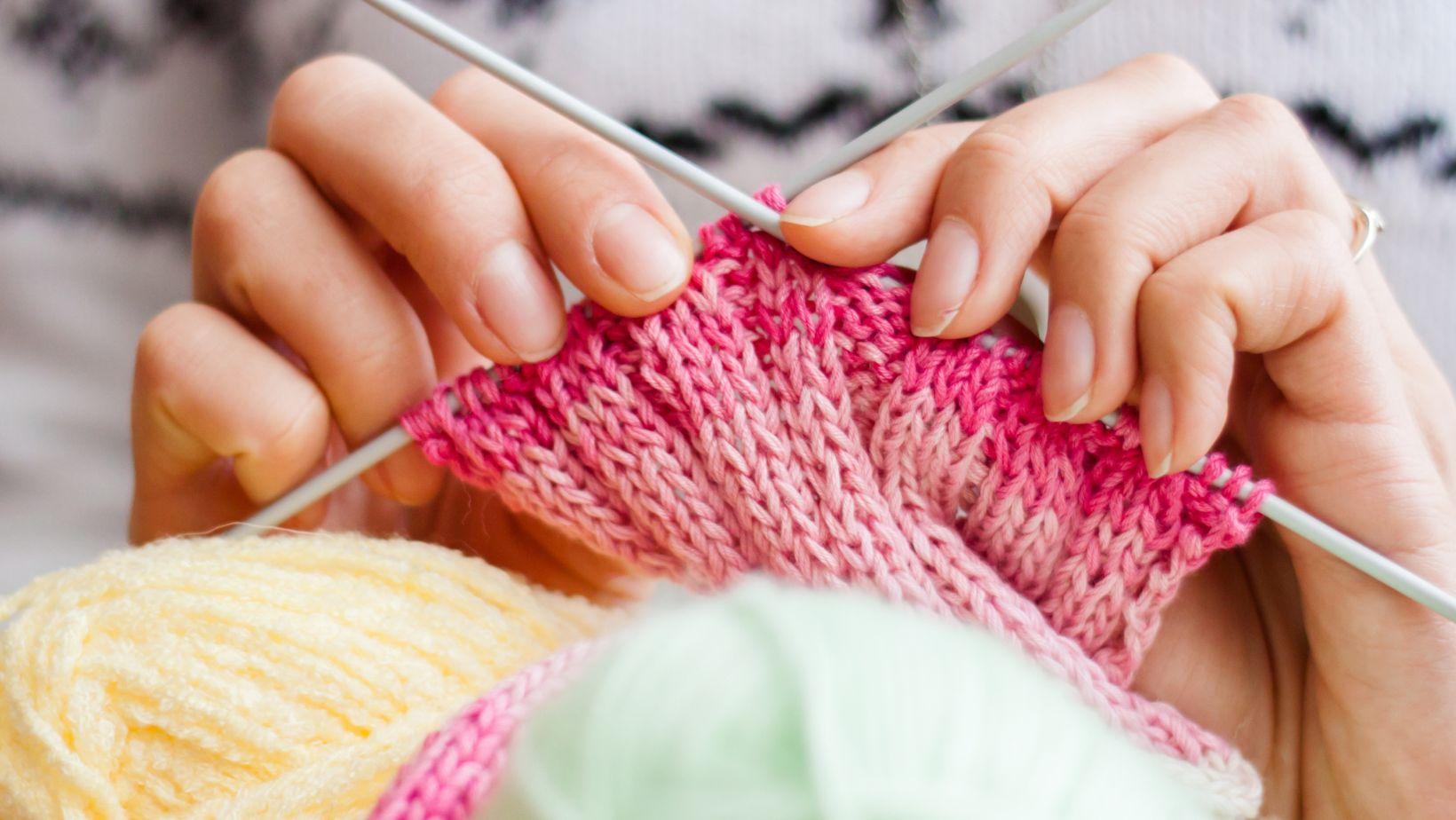
The first project should be small too. Knit a scarf before planning a jumper. Grow herbs before redesigning the garden. Learn one complete song instead of collecting fragments of ten. Finishing creates a natural point to decide what comes next.
Creating a Frictionless Environment
Many hobbies disappear between intention and preparation. If drawing begins with clearing a table, finding paper, and hunting for a sharp pencil, ten available minutes are easily lost. Keeping the basics together changes the calculation.
No dedicated studio is required. A box under the sofa can hold embroidery supplies. A folder can keep language notes and the next exercise. Running shoes near the door remove one minor decision. Such details often determine whether practice happens.
Stop at a point that makes the next session obvious. Mark the passage to revisit, write down the next woodworking cut, or leave the unfinished puzzle in place. Returning is easier when the first move has already been chosen.
Finding a Community or Partner
Other people provide knowledge, company, and a reason to show up. A local choir, walking group, community workshop, or photography circle turns a private interest into a shared practice. Beginners can watch how experienced people solve ordinary problems.
The group should suit the reason for taking part. Someone seeking quiet company may dislike a competitive club, while another person needs deadlines to stay engaged. One hobby partner can be enough. Meeting fortnightly to draw or practise a language creates continuity without filling the calendar.
Overcoming the Initial Learning Curve
The awkward stage cannot be removed, but it can be made less discouraging. Compare a new attempt with the last one rather than with polished work produced after years of practice. When progress stalls, one of these adjustments may help:
- reduce the task until it can be completed in a single sitting;
- repeat one troublesome step instead of restarting the whole project;
- ask a precise question and look for an answer to that question only;
- alternate technical practice with a project chosen purely for enjoyment;
- keep an early attempt so later improvement has something honest to stand beside.
Choose one adjustment rather than applying all five at once. If a watercolour looks muddy, practising colour mixing may be enough. There is no need to replace the paper, brushes, tutorial, and subject on the same evening.
Boredom can also be useful. Sometimes it means the challenge has become too easy; sometimes it means the hobby was never a good fit. Try a different format before walking away. A reader tired of long novels might enjoy essays, while a solitary runner may prefer a weekly group route.
A lasting hobby is not one practised without interruption. It is one that still feels like yours after the first excitement has passed. Make it easy to begin, give it enough time to become familiar, and let it change as your interests become clearer.