A weekend at a remote cabin can be relaxing until you realize how much of daily life still depends on electricity. You might want to charge your phone, keep a small refrigerator running, or have enough lighting to cook dinner after sunset. If the property has no reliable grid connection, planning where that electricity comes from becomes part of the trip.
For people who regularly visit cottages, camp in remote areas, or spend time living off-grid, solar energy offers one possible solution. A solar generator combines battery storage with solar charging, allowing electricity collected during the day to be used later. The idea is straightforward, but whether it works well depends on a few practical details.
What Happens Between the Solar Panels and Your Appliances?
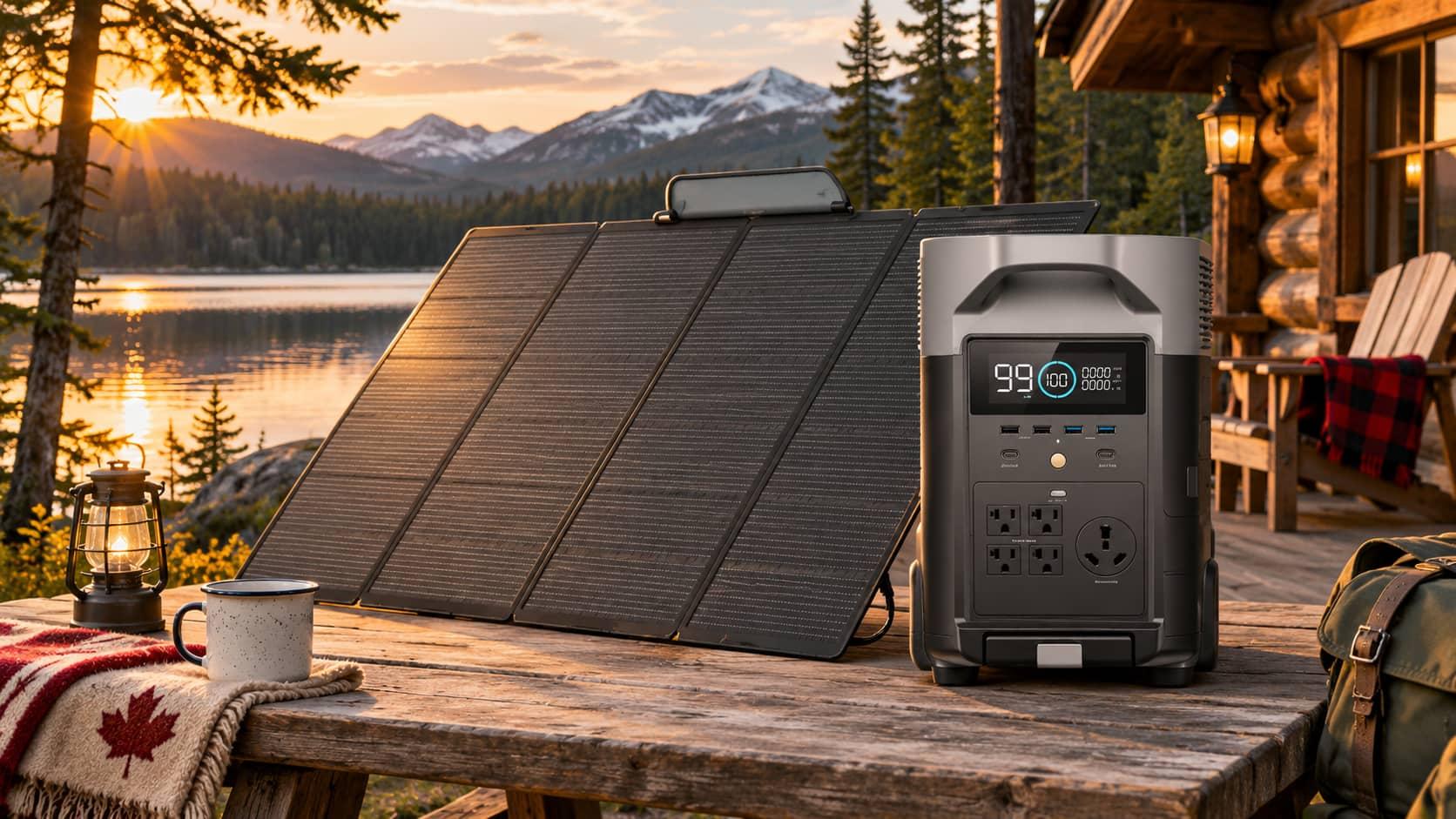
A typical setup has three main components. Solar panels collect sunlight and convert it into electricity. A rechargeable battery stores that energy, while an inverter makes the stored electricity available to compatible household devices.
The important thing to understand is that generating electricity and having electricity available are two different things.
During daylight hours, the panels may produce more energy than you need. That surplus can be stored in the battery for evening use. On another day, however, cloudy weather might mean the panels collect much less energy than expected.
Panel Output and Battery Capacity Are Not the Same
A common mistake is choosing solar panels based only on their advertised wattage.
A panel rated at 200W does not necessarily produce 200 watts continuously throughout the day. Actual output changes with sunlight intensity, panel angle, shading, temperature, and weather conditions.
Battery capacity is measured separately in watt-hours (Wh). It tells you how much energy can be stored for later use.
For example, someone running a few lights and charging personal devices will have very different requirements from someone operating a refrigerator throughout the day. Both the amount of energy collected and the amount available in storage need to be considered.
What About Canada’s Shorter Winter Days?
Solar charging can be particularly appealing during summer, when daylight hours are longer and outdoor activities are more frequent. Winter presents a different challenge.
In many parts of Canada, daylight hours become shorter, cloudy periods can last several days, and snow may cover exposed panels. All three factors can reduce the amount of electricity collected.
Cold Weather Needs Some Extra Planning
Battery temperature limits are just as important as solar performance. Some battery systems allow discharging at temperatures where charging is restricted. This distinction is easy to overlook when buying equipment for a cabin or an unheated storage area.
Before using a battery outdoors or storing it in a cold vehicle, check the manufacturer’s recommended operating and charging temperatures.
Snow also needs attention. A panel covered by even a partial layer of snow may produce considerably less electricity. If the panels are installed outdoors, think about whether they can be accessed safely for cleaning and repositioning.
For year-round off-grid use, it is sensible to have enough stored energy for periods when solar charging is limited, rather than designing the entire setup around ideal summer conditions.
Which Appliances Can You Actually Run?
This is where a little preparation makes a big difference.
Phones, laptops, LED lights, and small electronic devices are generally easier to support than appliances with heating elements or motors. Electric kettles, coffee makers, space heaters, and some kitchen equipment can consume substantial amounts of power.
A refrigerator deserves particular attention because its compressor cycles on and off. Its starting power requirement may be higher than its normal running consumption.
Calculate Your Daily Electricity Use
Start by listing the appliances you intend to operate. Check their wattage and estimate how many hours they will run each day.
Multiply wattage by operating hours to get an approximate energy requirement in watt-hours. Add the figures together and allow for conversion losses and changes in usage.
Also check the inverter’s continuous output and surge capability. Having enough stored energy does not guarantee that the system can start an appliance with a high initial power demand.
This calculation helps you avoid two common problems: buying more battery capacity than you need or discovering that your equipment cannot support an important appliance.
Is It Practical for a Remote Cabin?
For a seasonal cottage or a weekend retreat, a relatively modest setup may be enough to support lighting, communication devices, and selected electronics.
A property used throughout the year has different requirements. Refrigeration, water pumps, cooking equipment, and other regular household needs can increase daily electricity consumption considerably.
It is also worth considering how often you visit the property. If you only spend occasional weekends there, charging the battery at home before departure may be convenient. If you stay for several weeks, the available solar input and battery storage become much more important.
For people comparing different configurations, browsing solar generator options can help illustrate the differences in battery capacity, output, and compatible solar charging equipment.
What Should You Check Before Buying?
Beyond capacity and panel output, pay attention to a few details that can affect everyday use:
- Charging compatibility: Make sure the panels match the battery system’s supported solar input.
- Expansion options: Additional battery storage may be useful if your electricity requirements increase.
- Portability: Consider the weight if you need to transport equipment between your home and a cabin.
- Battery chemistry: Check expected cycle life, warranty coverage, and temperature restrictions.
- Available outlets: Make sure the connections match the appliances and electronics you plan to use.
Natural Resources Canada provides useful information about solar electricity and the factors affecting photovoltaic performance. It is worth consulting when planning a more permanent installation.
A Better Fit for Some Lifestyles Than Others
Solar-powered battery storage makes the most sense when you regularly need electricity away from the grid and have a realistic way to recharge.
For occasional camping, a small setup may be all you need. For a remote cabin used throughout the year, the energy plan requires more thought, particularly during Canadian winters.
The key is to work out your daily electricity consumption before choosing equipment. Once you know which appliances matter, how long they need to run, and how much sunlight you can realistically expect, it becomes much easier to decide whether this type of system fits your lifestyle.