
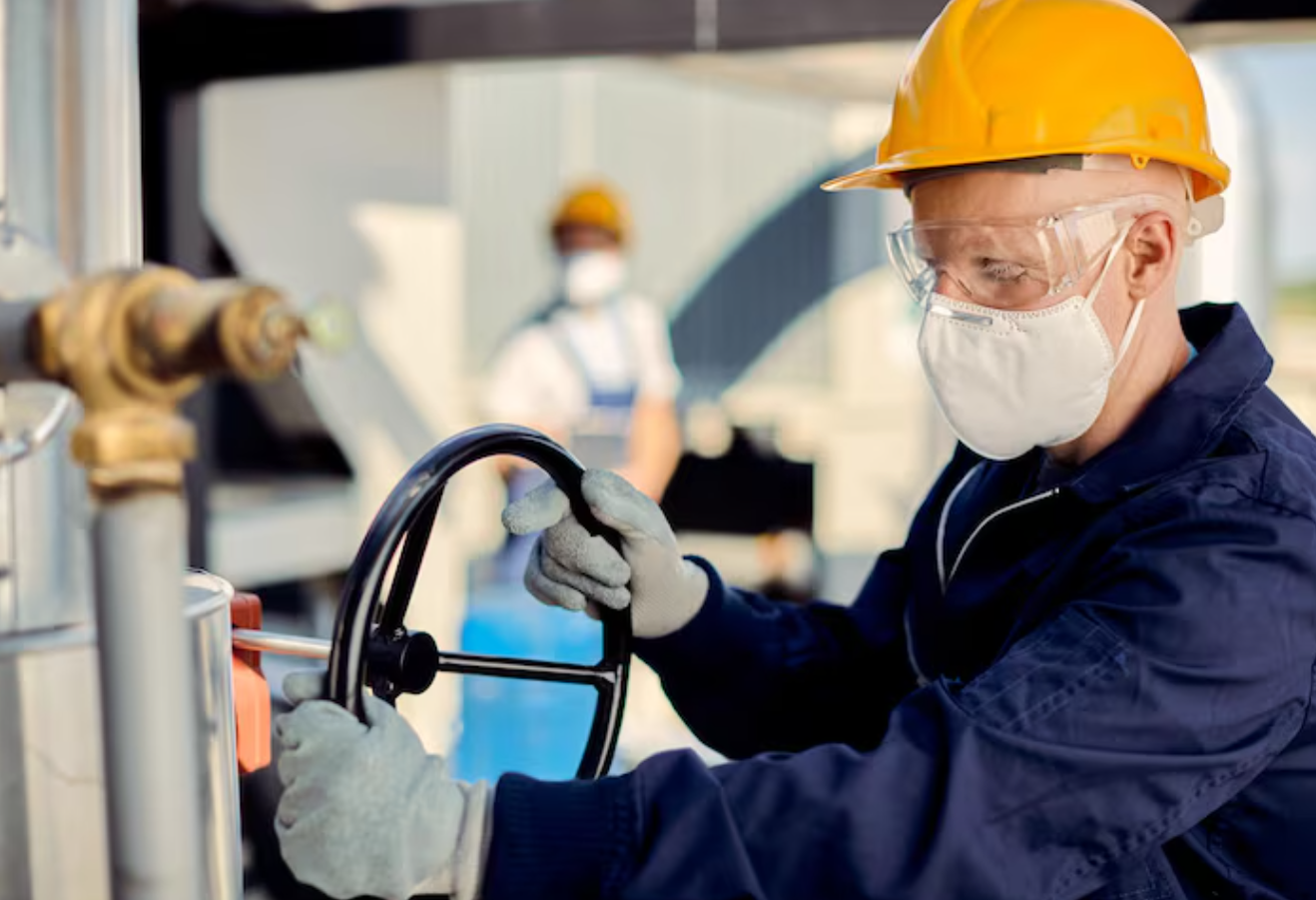
Industrial cleaning has become a critical component of modern manufacturing, influencing product quality, operational efficiency, workplace safety, and equipment longevity. As industries continue to adopt more sophisticated production technologies, cleaning methods must evolve to meet increasingly demanding standards. Traditional approaches that rely on abrasive materials, harsh chemicals, or excessive water consumption are gradually being supplemented or replaced by precision cleaning techniques that minimize contamination while preserving sensitive equipment.
Among the technologies driving this evolution are precision gas solutions. Carefully controlled industrial gases play an important role in a variety of advanced cleaning applications, offering manufacturers greater process control, improved environmental performance, and consistent cleaning results. Whether removing microscopic contaminants from electronic components or cleaning heavy industrial equipment, precision gas applications enable manufacturers to achieve high levels of cleanliness without compromising productivity.
Understanding how these gas-based solutions contribute to industrial cleaning provides valuable insight into the future of sustainable and efficient manufacturing.
The Growing Importance of Precision Cleaning
Manufacturing processes have become increasingly sensitive to contamination. Tiny particles, moisture, oils, and chemical residues can negatively affect product performance, especially in industries that require extremely high precision.
Even microscopic contaminants may cause:
- Product defects
- Reduced equipment efficiency
- Premature component failure
- Increased maintenance costs
- Production downtime
As manufacturing tolerances become tighter, cleaning processes must remove contaminants without damaging delicate surfaces or introducing new residues. Precision gas technologies help address these challenges by providing controlled cleaning environments that support repeatable and reliable outcomes.
How Industrial Gases Contribute to Cleaning Processes
Industrial gases perform several different functions throughout advanced cleaning operations. Their role depends on the manufacturing environment, the materials being cleaned, and the type of contamination involved.
Particle Removal
High-purity compressed gases can safely remove loose particles from sensitive surfaces without physical contact. Controlled gas flow dislodges dust, fibers, and microscopic debris that may interfere with production quality.
This approach is particularly valuable for components with intricate geometries or fragile surfaces where mechanical cleaning could cause damage.
Dry Cleaning Applications
Unlike liquid cleaning methods, gas-based processes often eliminate the need for water or solvents. This reduces drying time while preventing corrosion or moisture-related defects.
Dry cleaning methods are especially useful for electronic assemblies, optical equipment, and precision mechanical systems that cannot tolerate residual moisture.
Surface Preparation
Many industrial operations require perfectly clean surfaces before coating, bonding, painting, or assembly. Precision gas cleaning removes contaminants that could reduce adhesion or compromise product performance.
Clean surfaces improve the consistency of downstream manufacturing processes and help ensure long-term reliability.
The Importance of Gas Purity
Gas purity directly affects cleaning performance. Contaminants introduced through impure gases can undermine the very objective of precision cleaning.
High-purity gases reduce the risk of introducing:
- Moisture
- Hydrocarbons
- Particulates
- Organic residues
- Oxidizing compounds
Many advanced manufacturing industries specify extremely strict purity standards because even trace contamination may impact production yields.
Quality control systems continuously monitor gas composition, pressure, and flow rates to ensure consistent cleaning conditions throughout manufacturing.
Precision Control Improves Cleaning Consistency
One of the greatest advantages of precision gas solutions is the ability to carefully control every aspect of the cleaning process.
Operators can regulate variables including:
Pressure
Different materials require different cleaning pressures. Excessive pressure may damage delicate components, while insufficient pressure may fail to remove contaminants.
Precise pressure regulation ensures effective cleaning while protecting valuable equipment.
Flow Rate
Gas flow influences both cleaning efficiency and particle removal.
Stable flow rates help maintain uniform cleaning performance across multiple production cycles.
Temperature
Certain gas-assisted cleaning processes benefit from carefully controlled temperatures, allowing manufacturers to optimize contaminant removal while minimizing thermal stress on sensitive materials.
Delivery Precision
Modern delivery systems direct gases exactly where they are needed, reducing waste while improving cleaning effectiveness.
This level of precision is especially valuable in automated manufacturing environments.
Applications Across Multiple Industries
Precision gas cleaning technologies support a broad range of industrial sectors.
Electronics Manufacturing
Electronic devices contain increasingly miniaturized components that are highly sensitive to contamination.
Gas-assisted cleaning removes particles from printed circuit boards, connectors, sensors, and semiconductor packaging without exposing components to damaging liquids.
Maintaining clean manufacturing environments contributes to improved product reliability and production yields.
Aerospace
Aircraft components operate under demanding conditions where contamination can affect safety, durability, and performance.
Precision cleaning removes machining residues, oils, and particles from critical components before inspection, coating, or final assembly.
Automotive Manufacturing
Automotive production includes numerous cleaning stages before painting, welding, adhesive bonding, and assembly.
Precision gas technologies improve surface cleanliness while supporting highly automated production lines.
As electric vehicle manufacturing expands, contamination control becomes even more important due to sensitive battery systems and electronic components.
Medical Device Production
Medical devices require exceptionally high levels of cleanliness to meet strict regulatory standards.
Precision gas cleaning helps remove manufacturing residues while minimizing the introduction of additional contaminants.
This supports product safety and manufacturing consistency.
Food Processing Equipment
Industrial cleaning also plays an important role in maintaining hygienic processing environments.
Gas-assisted cleaning methods can complement sanitation procedures by removing debris from complex machinery while reducing moisture exposure in certain applications.
Environmental Advantages
Many industries are working to reduce the environmental impact of manufacturing operations.
Precision gas cleaning offers several sustainability benefits compared with conventional cleaning approaches.
Reduced Water Consumption
Traditional cleaning often requires significant volumes of water.
Dry gas-based methods reduce water use, helping facilities conserve valuable resources while minimizing wastewater generation.
Lower Chemical Usage
Some gas cleaning techniques eliminate or reduce the need for chemical solvents.
This decreases chemical handling requirements while reducing hazardous waste generation and simplifying environmental compliance.
Reduced Waste Production
Precision cleaning removes contaminants efficiently while minimizing secondary waste.
Fewer disposable cleaning materials may be required, supporting broader waste reduction initiatives.
Improved Energy Efficiency
Because many gas-assisted cleaning methods require minimal drying time, manufacturers can reduce energy consumption associated with heated drying systems.
These operational improvements contribute to more sustainable manufacturing practices.
Dry Ice Blasting as a Specialized Cleaning Technique
Among modern industrial cleaning methods, dry ice blasting has gained significant attention for applications requiring effective contaminant removal without damaging underlying surfaces.
This process accelerates solid carbon dioxide pellets using compressed gas. Upon impact, contaminants are loosened through a combination of kinetic energy, rapid cooling, and sublimation. Because the dry ice converts directly from a solid to a gas, it leaves behind no secondary blasting media.
The technique has become valuable for cleaning production equipment, molds, electrical systems, food processing machinery, and manufacturing lines where minimizing downtime is essential.
Unlike some traditional abrasive cleaning methods, dry ice blasting can often be performed without disassembling equipment, allowing manufacturers to reduce maintenance time while protecting sensitive surfaces.
Its ability to minimize waste generation and eliminate water use has also made it an attractive option for facilities seeking more environmentally responsible cleaning solutions.
Safety Considerations
Like any industrial process, precision gas cleaning requires appropriate safety measures.
Facilities typically implement procedures that include:
Proper Ventilation
Some industrial gases can displace oxygen in enclosed spaces.
Adequate ventilation helps maintain safe working environments.
Equipment Maintenance
Regular inspection of pressure regulators, valves, hoses, and delivery systems ensures reliable operation and reduces safety risks.
Operator Training
Personnel should understand proper equipment operation, gas handling procedures, emergency protocols, and applicable safety regulations.
Well-trained operators improve both cleaning effectiveness and workplace safety.
Process Monitoring
Continuous monitoring allows operators to verify gas quality, pressure stability, and overall system performance throughout cleaning operations.
Monitoring also supports quality assurance and regulatory compliance.
Future Developments in Precision Gas Cleaning
Industrial cleaning technologies continue to evolve alongside advances in automation, robotics, digital manufacturing, and process monitoring.
Future innovations are expected to include:
- Greater integration with automated production systems
- Real-time monitoring of gas purity and flow
- Artificial intelligence-assisted process optimization
- Improved contamination detection technologies
- Enhanced energy efficiency through smarter gas management
As manufacturing becomes increasingly data-driven, precision gas systems will likely become more intelligent, enabling continuous process optimization based on production conditions.
These developments will help manufacturers improve product quality while reducing operational costs and environmental impact.
Conclusion
Precision gas solutions have become an essential part of advanced industrial cleaning processes across numerous manufacturing sectors. Their ability to provide controlled, residue-free, and highly efficient cleaning supports increasingly demanding production standards while protecting sensitive equipment and improving operational reliability.
By enabling dry cleaning methods, reducing dependence on chemicals, minimizing water consumption, and supporting consistent contamination control, precision gas technologies contribute to both manufacturing excellence and sustainability goals. Specialized techniques such as dry ice blasting further demonstrate how innovative gas-based solutions can improve cleaning efficiency while reducing waste and equipment downtime.
As industrial production continues to advance, precision gas applications will remain an important contributor to cleaner manufacturing environments, higher product quality, and more efficient industrial operations.