
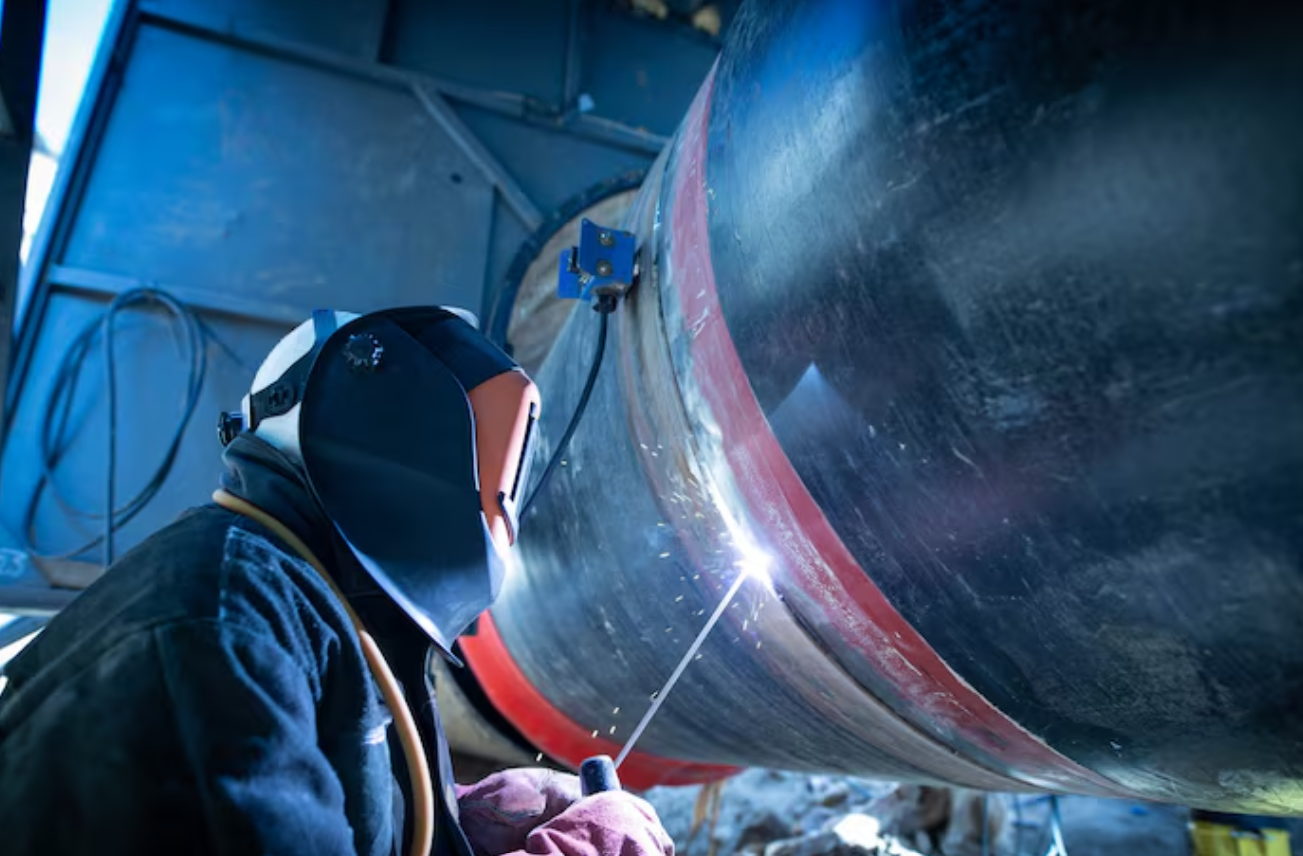
Modern manufacturing depends on welding technologies capable of producing strong, reliable, and consistent joints across a wide variety of materials. From automotive production and aerospace engineering to construction, shipbuilding, and energy infrastructure, welding remains one of the most critical fabrication methods in industry. As manufacturing standards continue to evolve, achieving higher precision and greater efficiency has become essential for maintaining product quality while reducing costs.
Among the many factors that influence welding performance, industrial gases play an especially important role. They affect arc stability, weld penetration, oxidation control, heat distribution, and overall process consistency. Selecting appropriate gases for welding applications allows manufacturers to improve productivity while minimizing defects and material waste.
Advances in metallurgy, automation, and welding technology have increased the importance of gas selection even further. Today, carefully engineered gas compositions help manufacturers meet demanding quality standards, improve repeatability, and optimize production across a broad range of industrial applications.
The Role of Industrial Gases in Welding
Industrial gases create the controlled atmosphere required for many welding processes. During welding, molten metal is highly reactive with oxygen, nitrogen, and moisture in the surrounding air. Without adequate protection, these atmospheric contaminants can cause oxidation, porosity, cracking, and reduced mechanical performance.
Protective gases isolate the weld pool from the atmosphere while supporting stable arc conditions. Their characteristics influence:
- Arc ignition
- Arc stability
- Heat transfer
- Weld penetration
- Metal transfer behavior
- Surface appearance
- Spatter generation
- Overall weld quality
The effectiveness of gases for welding depends on selecting the proper composition according to the welding process, base material, joint geometry, and production requirements.
Why Shielding Gas Selection Matters
Improving Weld Quality
The primary purpose of shielding gases is protecting molten metal from contamination. Even small amounts of atmospheric exposure can negatively affect mechanical properties and corrosion resistance.
Proper shielding helps produce:
- Cleaner weld beads
- Reduced oxidation
- Lower porosity
- Better fusion
- Improved structural integrity
These improvements are especially important in industries where weld reliability directly affects safety and long-term performance.
Increasing Process Stability
Stable welding conditions reduce operator adjustments and improve consistency. Shielding gases contribute to smoother arc behavior, allowing equipment to operate under predictable conditions throughout production.
Consistent welding parameters also simplify automation and robotic welding systems, where repeatability is essential.
Common Industrial Gases Used for Welding
Argon
Argon is widely used because it is chemically inert. It protects the molten weld pool without reacting with the metal.
Its advantages include:
- Excellent arc stability
- Smooth metal transfer
- Reduced oxidation
- Good control of the weld pool
- Lower spatter levels
Argon is commonly used for aluminum, stainless steel, titanium, and many non-ferrous metals.
Carbon Dioxide
Carbon dioxide provides deep penetration and is often selected for applications requiring high productivity.
Although it generates more spatter than inert gases, it offers:
- Strong penetration
- Cost-effective operation
- High deposition rates
- Suitable performance for structural steel
Many fabrication facilities use carbon dioxide either alone or blended with other gases.
Helium
Helium produces higher heat input than argon, making it suitable for thicker materials and metals with high thermal conductivity.
Benefits include:
- Faster travel speeds
- Improved penetration
- Better heat distribution
- Enhanced productivity on heavy sections
Helium is particularly useful when welding aluminum and copper alloys.
Gas Mixtures
Many modern welding operations use carefully balanced gas mixtures to combine the advantages of different gases.
Blended shielding gases can improve:
- Arc stability
- Penetration profile
- Weld appearance
- Productivity
- Metal transfer
- Reduced cleanup requirements
Gas mixtures are selected according to the desired balance between weld quality, speed, and operating efficiency.
Industrial Gases and Different Welding Processes
Gas Metal Arc Welding (GMAW)
Gas Metal Arc Welding relies heavily on shielding gas performance.
Proper gas selection influences:
- Arc characteristics
- Metal transfer modes
- Bead profile
- Penetration depth
- Spatter levels
- Welding speed
Manufacturers often optimize shielding gas composition to achieve higher deposition rates while maintaining excellent weld quality.
Gas Tungsten Arc Welding (GTAW)
Gas Tungsten Arc Welding requires exceptionally clean shielding because the tungsten electrode must remain uncontaminated.
Industrial gases help produce:
- Precise welds
- Excellent appearance
- Minimal oxidation
- High-quality root passes
- Superior control on thin materials
This process is commonly chosen when appearance and precision are critical.
Plasma Welding
Plasma welding depends on carefully controlled gas flow to maintain a concentrated arc.
Proper gas selection improves:
- Arc focus
- Penetration consistency
- Weld accuracy
- Heat control
- Repeatable production
These characteristics make plasma welding valuable for demanding industrial applications.
Improving Precision Through Gas Control
Precision welding requires maintaining consistent process conditions throughout production.
Industrial gases contribute by reducing variables that can affect weld quality.
Stable Arc Characteristics
A stable arc minimizes fluctuations in heat input and metal transfer.
Stable arcs produce:
- Uniform penetration
- Consistent bead geometry
- Lower defect rates
- Improved dimensional accuracy
This is particularly important for automated manufacturing lines producing thousands of identical components.
Controlled Heat Input
Different gases influence arc temperature and heat distribution.
Optimized heat input helps prevent:
- Burn-through
- Excessive distortion
- Incomplete fusion
- Heat-affected zone enlargement
Careful control improves dimensional stability while preserving material properties.
Reduced Weld Defects
Appropriate shielding significantly lowers the likelihood of:
- Porosity
- Oxidation
- Cracking
- Lack of fusion
- Surface contamination
Reducing defects decreases inspection failures and expensive rework.
Increasing Manufacturing Efficiency
Faster Production Rates
Well-selected gases allow higher travel speeds without compromising weld integrity.
Benefits include:
- Increased throughput
- Shorter production cycles
- Higher equipment utilization
- Improved workflow efficiency
These improvements contribute directly to overall manufacturing productivity.
Lower Material Waste
Defective welds often require grinding, rewelding, or complete part replacement.
By improving weld consistency, industrial gases reduce:
- Scrap generation
- Consumable usage
- Rework time
- Material losses
Waste reduction also supports more sustainable manufacturing practices.
Longer Equipment Life
Stable welding conditions reduce stress on welding equipment.
Consistent arcs help minimize:
- Electrode wear
- Contact tip degradation
- Torch maintenance
- Downtime
Improved equipment reliability contributes to lower operating costs over time.
Welding Automation and Gas Performance
Automation continues transforming modern manufacturing. Robotic welding systems require highly predictable operating conditions to achieve consistent results.
Industrial gases help maintain repeatable welding performance by providing stable shielding throughout automated production cycles.
Consistent gas delivery supports:
- Uniform weld quality
- Reduced variation
- Higher production speeds
- Reliable robotic programming
- Improved process repeatability
As manufacturers increase automation, gas control becomes an increasingly important component of production optimization.
Material-Specific Considerations
Different metals respond differently to welding gases.
Carbon Steel
Carbon steel often benefits from gas combinations that balance penetration with reduced spatter.
Manufacturers select gas compositions according to joint design, material thickness, and desired productivity.
Stainless Steel
Stainless steel requires careful shielding to preserve corrosion resistance.
Proper gas protection minimizes oxidation while maintaining clean weld surfaces.
Aluminum
Aluminum reacts quickly with oxygen and has high thermal conductivity.
Appropriate shielding gases improve arc stability while helping achieve smooth, high-quality welds with minimal contamination.
High-Strength Alloys
Advanced alloys frequently require carefully controlled gas environments to preserve mechanical properties.
Proper shielding reduces metallurgical defects while supporting consistent structural performance.
Safety Considerations
Industrial gases contribute to welding performance but must always be handled responsibly.
Safe practices include:
- Adequate workplace ventilation
- Proper cylinder storage
- Leak detection procedures
- Appropriate pressure regulation
- Regular equipment inspection
- Employee training
Because many gases are odorless and colorless, following established safety procedures is essential for protecting workers.
Environmental Benefits of Efficient Gas Use
Improving welding efficiency also supports sustainability objectives.
Better gas management helps reduce:
- Energy consumption
- Material waste
- Scrap production
- Rework operations
- Resource use
Higher-quality welds extend product life, decreasing the need for repairs or replacement throughout a component’s service life.
Manufacturers increasingly integrate efficient gas management into broader environmental improvement initiatives.
Emerging Trends in Welding Gas Technology
Industrial welding continues evolving alongside digital manufacturing technologies.
Current developments include:
Advanced Process Monitoring
Modern production systems increasingly monitor gas flow, pressure, and welding parameters in real time to improve consistency.
Smart Manufacturing Integration
Digital manufacturing environments combine gas control with automated quality monitoring, predictive maintenance, and production analytics.
Higher Quality Standards
Industries such as aerospace, medical manufacturing, and renewable energy continue demanding tighter tolerances and improved weld reliability, making gas optimization even more important.
Specialized Gas Solutions
As manufacturing becomes more specialized, customized shielding gas mixtures are increasingly developed for specific materials and production objectives. In international technical documentation, the term svetsgas is used for shielding gases used in welding applications, highlighting the global nature of industrial manufacturing terminology.
Conclusion
Industrial gases are fundamental to achieving precision, efficiency, and reliability in modern welding processes. By protecting molten metal from atmospheric contamination, stabilizing the welding arc, controlling heat input, and improving metal transfer, they significantly influence the quality of finished welds across numerous industries.
Carefully selected gases for welding help manufacturers reduce defects, increase productivity, lower material waste, and support automated production systems. As industrial manufacturing continues advancing toward greater precision, smarter automation, and higher quality standards, optimized gas selection will remain an essential factor in producing strong, consistent, and durable welded components that meet the growing demands of modern engineering.