
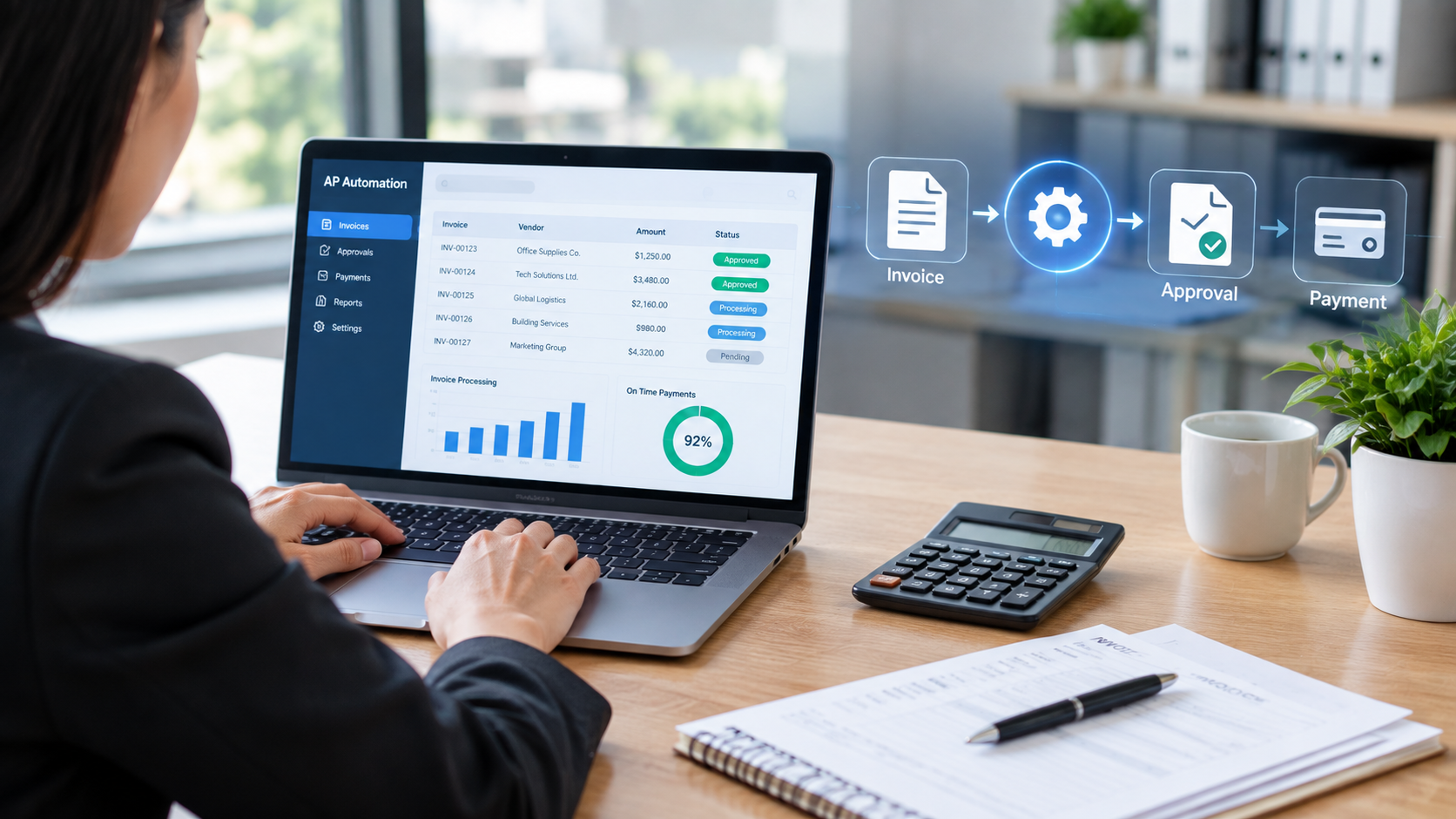
Accounts payable and accounts receivable can become time-consuming as a business grows. Finance teams may need to process supplier invoices, approve payments, issue customer invoices, follow up on overdue accounts, and reconcile transactions across several systems.
Much of this work is repetitive. It can also create problems when information is entered manually or when payment records are spread across different platforms.
Finmo’s AP AR automation in Australia can help businesses reduce some of this manual work by connecting invoice processing, approvals, collections, payment scheduling and reconciliation. The level of automation available varies between platforms, so businesses should consider which parts of their finance process they actually need to improve.
Australian businesses have access to established banks, accounting platforms and financial technology providers that can support different stages of the process. Here are 10 brands worth considering when reviewing options.
1. Finmo
Finmo offers dedicated AP and AR automation alongside cash visibility, forecasting, and payment capabilities. Its platform can automate tasks such as invoice capture, approval workflows, payment scheduling, and reconciliation.
On the receivables side, businesses can automate invoice generation, recurring billing, payment reminders,s and other collection workflows. Its Smart Match functionality can also help match incoming payments with the relevant invoices.
This makes Finmo particularly relevant to businesses looking for Finmo’s AP and AR automation solution for Australian businesses and finance teams, rather than simply a digital payment service. The platform can connect financial information across accounts and systems, helping finance teams maintain better visibility over both incoming and outgoing cash.
2. Xero
Xero is widely used by Australian small and medium-sized businesses for accounting and financial management. Its platform supports invoicing, bills, bank reconciliation, and other everyday accounting tasks.
For accounts receivable, businesses can create and manage customer invoices and monitor outstanding amounts. On the payable side, supplier bills can be recorded and tracked within the accounting system.
Xero can therefore form an important part of an automated finance workflow. Businesses with more complex AP and AR requirements may also connect additional specialist tools to their accounting system.
3. MYOB
MYOB is an established Australian accounting and business management software provider. Its products cover areas such as accounting, payroll, invoicing and financial reporting.
For businesses dealing with regular customer invoices and supplier bills, having these records managed within a central accounting environment can reduce the need for separate spreadsheets.
Automation becomes particularly useful when recurring transactions are involved. Instead of repeatedly creating records from scratch, businesses can use software features to reduce some of the routine work associated with billing and financial administration.
4. Commonwealth Bank
Commonwealth Bank provides business banking services that cover accounts, payments, and other financial requirements. Its banking services can form part of a broader automated finance workflow.
For AP processes, digital payment capabilities can help businesses move away from manual payment methods. For AR, electronic payments can make it easier to receive and track customer funds.
However, banking automation should be distinguished from complete AP and AR automation. Invoice capture, approval workflows, and reconciliation may require accounting or dedicated finance software alongside the business bank account.
5. ANZ
ANZ offers business banking services for Australian companies, including transaction accounts, payments, and other financial products.
Businesses can use digital banking to manage payments and monitor transactions, which can reduce some of the administrative work associated with traditional banking processes.
For a broader AP AR workflow, businesses should consider how ANZ’s banking services connect with their accounting software. The ability to move payment information between systems can help reduce duplicate data entry and make reconciliation more efficient.
6. Westpac
Westpac provides business banking services covering accounts, payments,s and other financial needs. Digital banking gives businesses a way to manage transactions without relying entirely on manual or paper-based processes.
For accounts payable, businesses can use digital payment facilities to manage supplier payments. On the receivables side, electronic transactions provide records that can be matched against customer accounts.
Businesses looking for more advanced AP AR automation may need to combine their Westpac banking services with accounting or specialist automation software. The right setup will depend on transaction volume and the complexity of the company’s finance processes.
7. NAB
NAB provides business banking and payment services to Australian businesses. Its digital banking tools give finance teams access to transaction information and account activity.
This can support automated workflows when banking data is connected with accounting systems. For example, payment transactions can be matched against invoices and recorded as part of the reconciliation process.
The main benefit is reduced repetition. Finance teams should spend less time copying information between systems and more time dealing with exceptions, unusual transactions and financial decisions that require human judgement.
8. Airwallex
Airwallex provides payment and financial infrastructure for businesses, with services covering international payments, foreign currency accounts and other business financial needs.
It can be particularly relevant to Australian companies with international customers or suppliers. Cross-border accounts payable and receivable can become complicated when multiple currencies, payment methods and settlement schedules are involved.
Automating parts of this process can reduce the amount of manual work required to track international transactions. Businesses can also benefit from having clearer visibility over payments moving across different currencies and markets.
9. PayPal
PayPal is widely used by online businesses to receive customer payments. For businesses selling products or services online, it can form one part of the accounts receivable process.
Digital payment records can make it easier to identify when customer payments have been received. However, businesses still need to reconcile those payments against their invoices and accounting records.
PayPal should therefore be viewed as a payment channel rather than a complete AP AR automation platform. Connecting payment information with accounting software can help reduce the manual work involved in keeping records up to date.
10. Wise Business
Wise Business provides international payment and currency services for companies. Australian businesses working with overseas suppliers or customers may use such services to manage international transfers.
From an accounts payable perspective, international payment tools can make supplier payments easier to manage across currencies. On the receivables side, businesses may also use multi-currency capabilities when collecting money from international customers.
For companies with significant overseas activity, integrating these transactions with the wider accounting workflow can be important. Otherwise, finance teams may still have to manually transfer information between payment platforms and accounting records.
Making AP and AR Automation Work
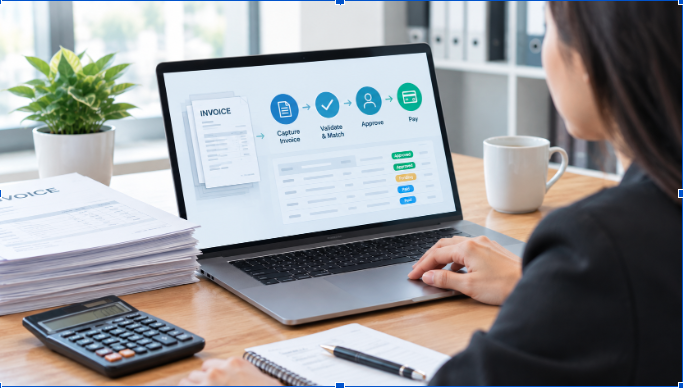
Automating accounts payable and receivable is not simply about replacing manual bank transfers. A more complete workflow can cover invoice capture, data entry, approvals, payment scheduling, customer billing, collection reminders, and reconciliation.
Australian businesses should first identify where the most time is being spent. If finance staff are manually entering supplier invoices, invoice capture and approval automation may provide the biggest improvement. If overdue customer payments are the main problem, automated reminders and receivables tracking may be more useful.
Integration also matters. A payment platform that operates separately from accounting software may still leave finance teams manually copying information from one system to another. Connecting banks, accounting software, and automation tools can create a more consistent flow of financial data.
Finmo’s current AP and AR platform is designed around this connected approach, with automated invoice processing, payment workflows, receivables tracking, reminders and reconciliation, alongside cash forecasting and payment capabilities.
For Australian businesses, the goal of AP AR automation should be straightforward: reduce repetitive finance administration, improve accuracy, and give finance teams clearer visibility over what has been invoiced, what needs to be paid, and what money is still outstanding. The right combination of accounting, banking and automation tools can make that process considerably easier to manage as the business grows.