
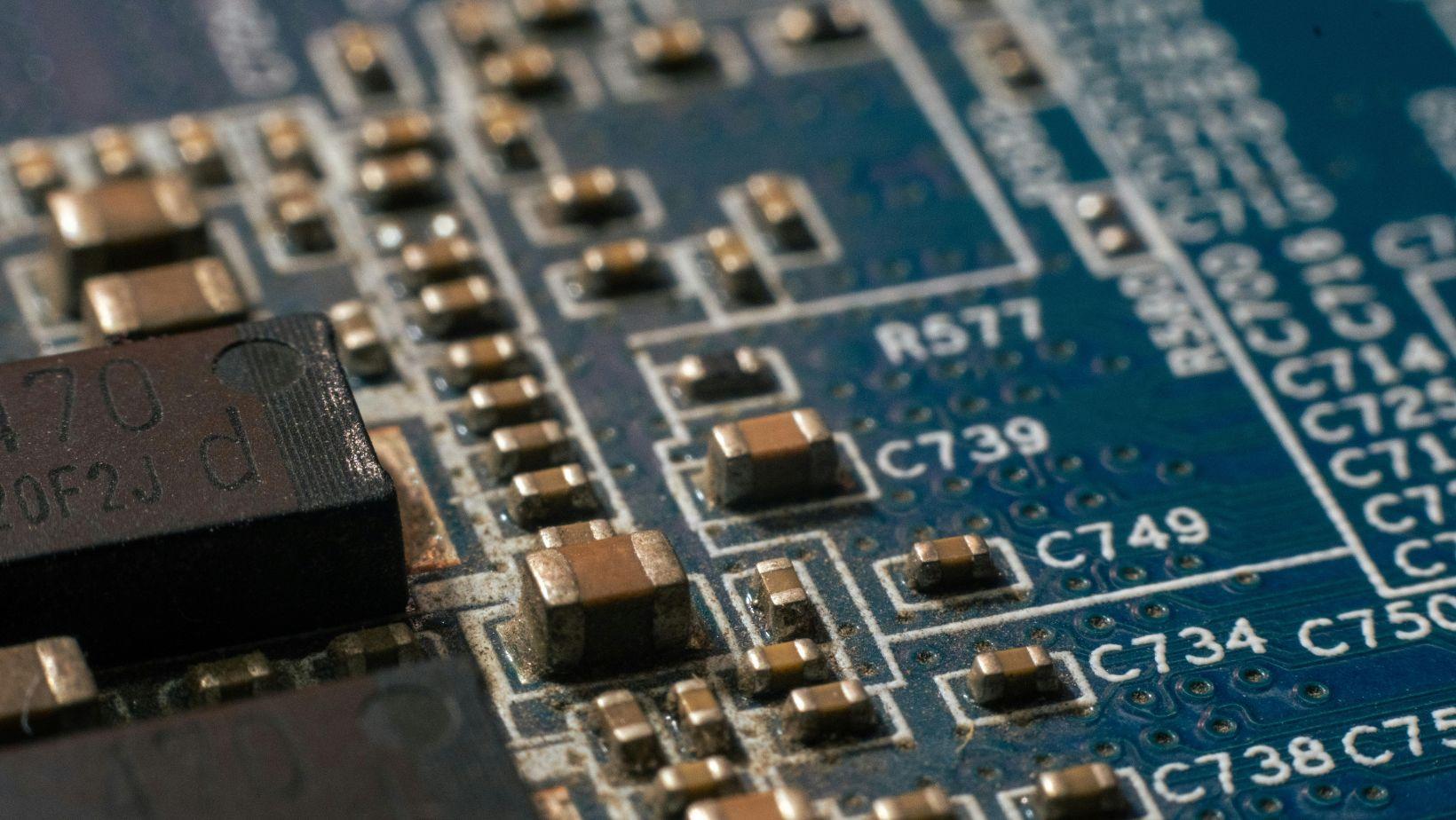
Ensuring the ongoing cleanliness of electronic assemblies is a crucial part of maintaining reliable equipment. To this end, electronic cleaner sprays are available that can help remove dust, grease, oil, flux residues, and other contaminants from circuit boards and sensitive electronic assemblies.
These are all major concerns for organisational decision-makers and maintenance staff operating across industrial and demanding working environments.
How Much of a Problem Is Contamination for Electronic Systems and Devices?
Contamination is an issue that can arise with all manner of electronic equipment and components, encompassing the likes of control panels, printed circuit boards (PCBs), sensors, connectors, and industrial automation systems.
Even an apparently minor buildup of dirt has the potential to interfere with connections, accelerate corrosion, or affect heat dissipation for a particular machine, device, or component.
So, for organisations with a high level of dependence on electronic equipment, it can be hugely important to incorporate appropriate cleaning and protection practices into a well-designed planned maintenance scheme.
Common Contaminants That Can Spell Bad News for Circuitry
As a first step to deciding on the most suitable cleaning procedures, maintenance teams should take some time to understand the types of contamination the electronic equipment on their site is likely to come into contact with.
Here are a few examples:
Dust And Dirt
Dirt and dust accumulate from airborne particles, manufacturing debris, or day-to-day use. These contaminants are notorious for gathering gradually on circuit boards, cooling components, connectors, and inside electrical enclosures.
Grease And Oil
Oil and grease can originate from nearby mechanical equipment, lubricants, manufacturing processes, or accidental contact during maintenance. These often difficult-to-remove substances can create insulating films that interfere with contacts, attract further dirt, or trap moisture against solder joints and component leads.
Flux And Other Residues
Flux residues can linger from soldering and rework processes. These residues can leave ionic material that supports electrochemical migration when moisture is present. Depending on the application and type of flux used, it may be necessary for flux to be removed as part of the finishing or maintenance process.
Moisture And Corrosive Contaminants
Electronic assemblies can also be put at risk when water and humidity are present. This can be particularly the case where moisture reaches exposed conductive areas. Industrial atmospheres can also contain chemicals or other contaminants that may contribute to corrosion. Both cleaning and additional protection may be needed.
3 Steps to Help Protect Circuitry from The Most Damaging Contaminants
Bringing together these elements can go a long way to shielding electronic assemblies, devices, and components from the adverse effects of common contaminants:
1. Deploying The Right Prevention Measures
Physical protection is very much the first line of defence. This is why organisational decision-makers should be looking to specify enclosures with appropriate Ingress Protection (IP) ratings for the environment in which they will be used.
It is also why, in situations where airflow will be required, the decision should be made to use filtered ventilation or sealed designs with pressure-equalising vents. Where practical, equipment should also be positioned away from direct sources of contamination.
2. Using Effective Cleaning Methods
When contamination is found to be present, cleaners should be used that are formulated specifically for electronics. Various options are available, encompassing the likes of precision solvents, contact cleaners, and degreasers that can be trusted to dissolve oils, grease, and flux before evaporating rapidly.
The cleaning of electronic assemblies should not usually be done with general-purpose household cleaners or any products that leave oily residues. Nor should aggressive solvents, such as pure acetone, be used on sensitive materials. In addition, it is vital for product safety data sheets to be consulted in relation to flammability, compatibility, and ventilation requirements.
3. Ongoing Protection and Sourcing
Once cleaning has been done, it can be a good idea to consider the application of a conformal coating or contact lubricant where appropriate, as a means of extending protection.
On an ongoing basis, environments should also be monitored for humidity, temperature cycling, and airborne contaminants. Meanwhile, steps should also be taken to maintain filtration systems responsibly.
Conclusion: A Proactive Approach to Circuit Protection Is Essential
Keeping circuit boards and electronic assemblies free from high levels of contamination can be a straightforward part of routine maintenance, subject to suitable procedures and materials being used. However, it can also be a hugely important and sometimes overlooked one, serving as a fundamental part of broader equipment care.
For maintenance teams, the overriding objective shouldn’t simply be to make circuitry look clean. That’s because a well-planned approach will be necessary to help keep electronic equipment in dependable working condition.