
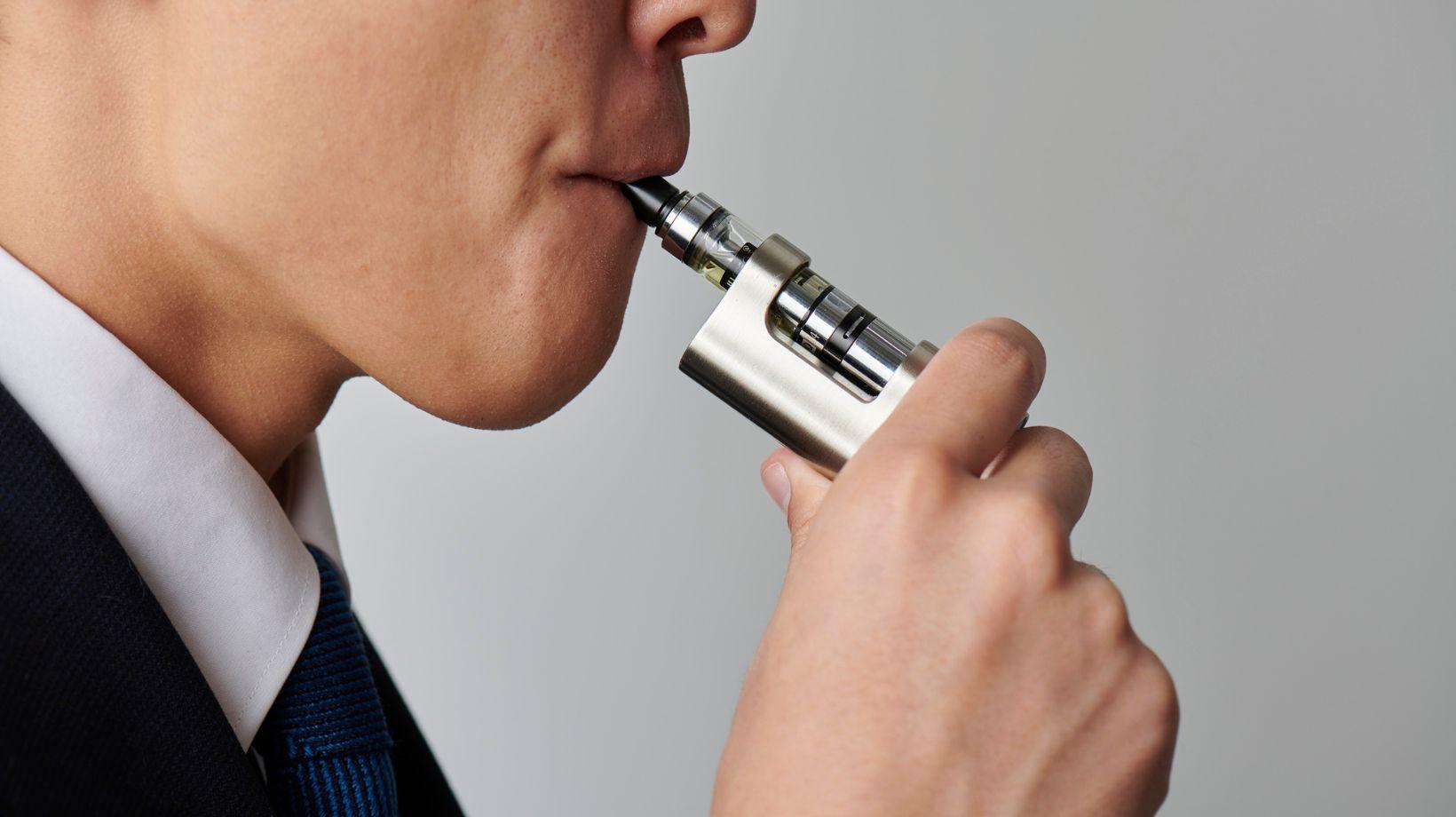
A vaping label reading “6mg/ml” describes the nicotine concentration: each millilitre of liquid contains 6mg of nicotine. That is what strength usually means on an e-liquid bottle or prefilled cartridge.
The quantity of liquid supplied and the nicotine someone absorbs are separate measurements.
What do mg and mg/ml mean?
A milligram, written as mg, measures mass, while a millilitre, written as ml, measures volume. The combined unit, mg/ml, expresses the mass of nicotine in each millilitre of liquid.
Product names sometimes shorten a strength to “6mg”, dropping “per millilitre”. Read the full label to establish what that abbreviated figure represents.
The same check applies to prefilled cartridges such as Ten Motives Refills: look for the complete strength information on the packaging, including its units. Ask the manufacturer or retailer for clarification if those details are missing.
Words such as “regular”, “medium” and “strong” are descriptions rather than precise measurements. Flavour names describe taste, not nicotine concentration. Use the numerical concentration when comparing nicotine strengths.
How do percentage labels compare?
Some labels express nicotine concentration as a percentage. The familiar vaping-label conversion uses nicotine mass per liquid volume: on that basis, 1% represents 1g of nicotine per 100ml of liquid.
Since 1g equals 1,000mg, that works out to 10mg/ml. Under this convention, multiplying the percentage figure by ten gives the concentration in mg/ml.
| Percentage, on a mass-per-volume basis | Equivalent concentration |
|—|—|
| 0.6% | 6mg/ml |
| 1.2% | 12mg/ml |
| 2% | 20mg/ml |
Here, the percentage describes the liquid, not the proportion of nicotine absorbed by someone using it.
A percentage expressed by weight uses a different basis, so check the manufacturer’s explanation or stated equivalent before comparing an ambiguous percentage with mg/ml.
Strength and total nicotine are different measurements
To calculate the nicotine contained in a quantity of liquid, multiply its concentration by its volume.
For a hypothetical 10ml bottle labelled 6mg/ml:
6mg/ml × 10ml = 60mg of nicotine in the liquid.
The 60mg figure describes the nicotine contained throughout that bottle. The strength remains 6mg/ml.
A larger bottle at the same concentration holds more nicotine overall because it contains more liquid. Bottle size alone, however, tells you nothing about concentration: a small container can hold liquid at a higher strength than a larger one.
With prefilled cartridges, distinguish the pack count from the liquid volume. A four-pack tells you how many cartridges are supplied; you still need the volume of liquid in each cartridge to calculate its nicotine content.
Also check whether a stated volume refers to one cartridge or the entire pack before using it in a calculation.
Why concentration differs from nicotine intake
Nicotine contained in liquid, nicotine delivered during vaping and nicotine absorbed by the body describe different stages. A strength label gives information about the liquid at the start of that process.
Device characteristics and puffing behaviour affect delivery. How much liquid is used in each puff and how often someone vapes also matter. Two people using the same labelled concentration can therefore have different nicotine exposure.
A container’s total nicotine content cannot be read as a daily dose or converted directly into a fixed number of cigarettes. Comparing nicotine contained in one product with nicotine absorbed from another mixes different measurements.
Other nicotine products use different units. “mg per pouch”, for example, describes content per item rather than concentration per millilitre. Compare what the figures measure, not just their numerical values.
“Nicotine salt” and “freebase” identify formulations. They belong alongside the strength information, but neither term replaces a numerical concentration or makes the label a personalised dosing guide.
A quick checklist for reading the label
Before comparing products, check:
- Whether the figure is mg/ml, a percentage or nicotine content per item.
- Whether the volume refers to one container or the whole pack.
- Whether percentage figures use the same measurement basis.
- Whether you are comparing concentration, total contents or delivery.
Keep the packaging or a clear photograph of the full label if you need help interpreting it. Give the manufacturer the complete product name and units, rather than asking about a number in isolation.
Nicotine is addictive. Reading its concentration accurately helps you understand the product; deciding which strength is suitable for you is a separate matter.