
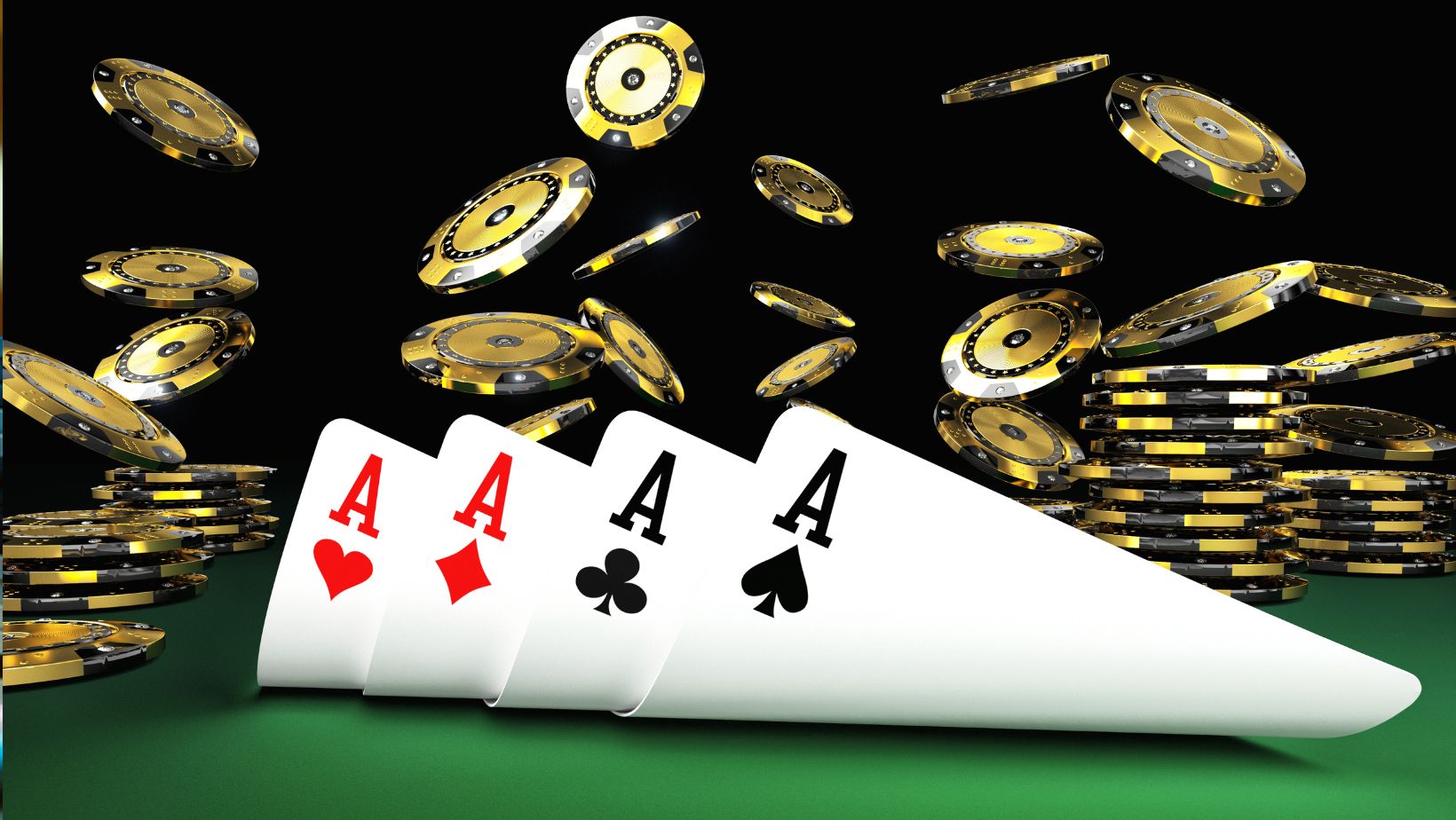
Why do millions of people worldwide obsess over a simple card game that’s been around for centuries? The answer has nothing to do with winning poker hands or mastering complex poker strategy.
Poker has become social glue. It builds communities, creates friendships, and connects people in ways that feel increasingly rare in our digital age. You’ll find it everywhere-from basement game nights to online poker platforms to the bright lights of the World Series of Poker.
The Evolution of Poker and Its Cultural Significance
Poker’s journey from French parlors to global phenomenon tells you everything about its staying power. The game comes from the French ‘poque’, but its influence now spans every continent.
The 1800s saw poker explode along the Mississippi River, where it became synonymous with frontier grit and American ambition. Then came the 1920s and the introduction of community cards-a change that spawned Texas Hold’em and Omaha, the variants that dominate today. In Texas Hold’em, you combine two hole cards with five community cards to build the best poker hands possible.
Understanding hand rankings became non-negotiable as the game evolved. This wasn’t just about rules-it showed poker’s genius for adapting while keeping its core appeal: skill, poker strategy, and human interaction.
Community Building Through Online and Live Poker
The internet didn’t kill poker. It supercharged it.
Online poker platforms now connect millions of players across skill levels and budgets. These digital spaces create real communities where you share poker strategy, dissect poker hands, and forge genuine friendships with people you’ve never met face-to-face. YouTube gives you intimate access to pros’ lives. Instagram showcases epic moments. Twitter sparks debates about poker strategy and industry drama.
But here’s what’s fascinating: online poker hasn’t replaced live games. Instead, you get both. Players flow seamlessly between digital tables and casino floors.
Live poker rooms are actually thriving right now. You show up for the authentic human connection, the atmosphere, the energy you can’t replicate through a screen. The slower pace between betting rounds lets you actually talk to people, observe behavior, build relationships that go beyond the felt.
This dual existence strengthens the whole ecosystem. You can engage with poker and other players however you want, whenever you want.
Strategies and Social Interactions at the Poker Table
Poker rewards you for being smart, observant, and psychologically sharp. Pure luck won’t cut it.
Advanced poker strategy-bluffing, reading opponents, interpreting betting patterns during betting rounds-gives you edges that have nothing to do with your cards. Recognizing tells and adjusting your tactics based on how opponents play creates endless strategic depth. The game never gets old.
These skills transfer directly to real life. You learn risk assessment, emotional control, and how to make decisions under pressure. The social dynamics mirror everything about human interaction-you’re cooperating and competing simultaneously.
Whether you’re discussing poker crypto payment options or breaking down hand histories, the community thrives on shared knowledge. Hand rankings provide a universal language. The royal flush, straight flush, four of a kind, full house-these unite players across cultures and continents.
This framework enables meaningful strategic discussions across all betting rounds. It creates a level playing field where skill matters more than background.
The Rise of Poker as a Family Activity
Poker has pulled off something remarkable: it’s become a family game.
Parents now teach kids probability, risk management, and strategic thinking through poker games with chips instead of money. Modified rules make it work for younger players. This educational angle has completely reshaped poker’s image from vice to legitimate skill-building.
Family poker nights have become weekly traditions in countless homes. They create actual quality time and real conversations in an era where everyone’s glued to their own screen. The structure naturally encourages interaction-you must stay engaged, communicate, and respond to each other’s actions throughout every hand.
Playing poker with friends and family strengthens bonds through shared experiences and friendly competition. Home poker leagues and neighborhood tournaments have normalized the game as a social activity, not some solitary grind.
These grassroots communities develop their own traditions, inside jokes, and rituals that deepen the sense of belonging. Some organize viewing parties for the World Series of Poker to celebrate the game’s biggest moments together.
Why Poker Matters in Modern Social Landscapes
In a world drowning in digital isolation, poker offers something increasingly rare: genuine human connection built on shared challenge and mutual respect.
The game creates structured environments where people from wildly different backgrounds interact as equals. Age, profession, social status-none of it matters as much as skill and character. Poker tables rank among the most culturally diverse spaces you’ll find anywhere.
The mental demands keep your mind sharp through constant calculation during betting rounds. Pattern recognition. Adaptive thinking. Research suggests strategic games like poker may maintain cognitive function throughout your life.
Poker communities develop powerful support networks. You celebrate wins together, console losses, offer advice during tough times. The emotional intelligence required to succeed at poker-managing your emotions while reading others-translates directly to better interpersonal skills.
Whether you’re competing at the World Series of Poker or playing casual online poker with friends, these skills remain essential. The dealer button rotates to ensure everyone gets equal opportunity, while the dealer button’s position shapes poker strategy throughout each session.
Poker’s impact goes way beyond entertainment. It has created a global community united by passion. It has developed life skills in countless players. It has provided meaningful connections in an increasingly fragmented world.
Maybe you’re drawn to strategic complexity. Maybe you want the social atmosphere. Maybe you just want to test yourself against others at the World Series of Poker or through online poker. Whatever pulls you in, poker offers something that resonates across cultures and generations.
Join a local poker group or try an online poker platform. Experience how this game continues bringing people together. The cards are just the beginning-the real value lies in the connections you’ll make and the community you’ll join.