
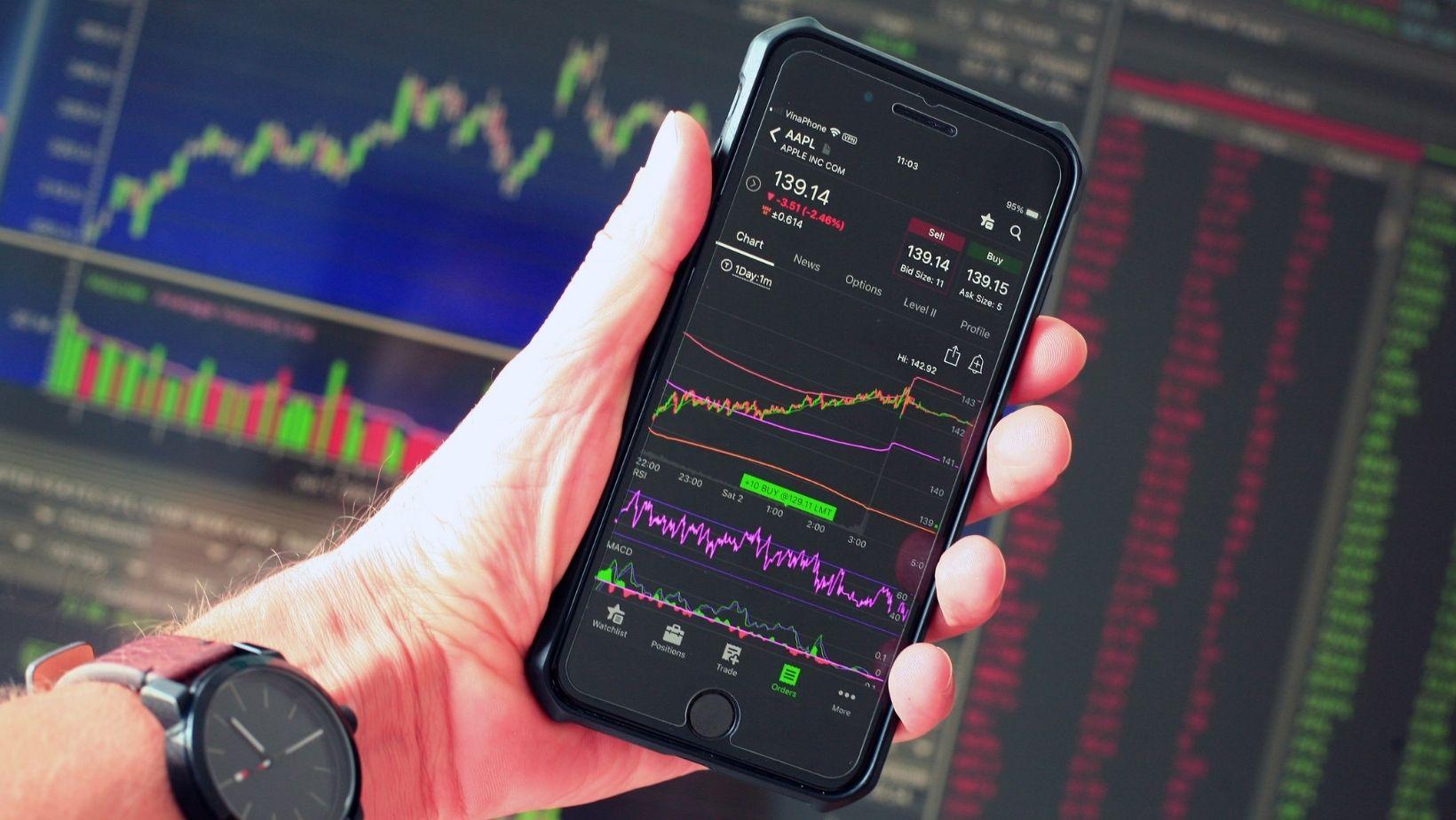
Investing used to feel like something reserved for Wall Street professionals shouting across trading floors. Today, you can start building a portfolio from your couch in minutes. The tricky part isn't necessarily gaining access to investments anymore. It's deciding what to invest in.
Index funds, individual stocks, and cryptocurrency each offer different opportunities, risks, and levels of involvement. Understanding those differences can help you choose investments that make sense for your goals rather than simply following whatever is trending, and buy & sell crypto on the fomo app with confidence.
Index Funds: The "Set It and Mostly Forget It" Approach
If you'd rather not spend your evenings studying earnings reports, index funds may sound appealing. An index fund holds a collection of investments designed to track a particular market index, such as the S&P 500.
Instead of betting heavily on one company, you're spreading your investment across numerous businesses. That diversification can soften the impact if one company performs poorly. Index funds can therefore make a practical foundation for long-term investors who prefer a hands-off strategy.
They're not risk-free, of course. When the broader market drops, index funds can fall right along with it. Their appeal is primarily simplicity, diversification, and long-term exposure to the market.
Individual Stocks: More Control, More Homework
Buying individual stocks lets you choose exactly which companies receive your investment dollars. If you understand an industry particularly well or believe strongly in a company's future, that control can be exciting.
The tradeoff is concentration. A fantastic year for one company could produce impressive gains, while disappointing earnings, new competition, or a scandal could send its stock tumbling. Successful stock picking generally requires research into companies, financial results, industries, and valuations.
For investors who genuinely enjoy that homework, individual stocks can make investing more engaging. For everyone else, keeping up with them may eventually feel like another job.
Crypto: The Wild Card in the Investing Mix
Cryptocurrency adds an entirely different flavor to a portfolio. Digital assets such as Bitcoin and Ethereum have attracted investors interested in blockchain technology, decentralized systems, and alternatives to traditional financial assets.
Access has also become increasingly straightforward. Investors can buy and sell crypto on digital platforms without needing the technical knowledge once required to acquire digital assets.
Convenience doesn't eliminate risk, though. Crypto prices can move dramatically, and the market remains highly speculative. Understanding the asset you're purchasing and resisting the temptation to chase sudden hype are especially important here.
How Much Risk Can You Actually Handle?
Risk tolerance sounds simple until real money starts disappearing from your account. Watching $1,000 become $750 feels considerably different from answering a questionnaire about volatility.
Consider both your financial ability and emotional willingness to withstand losses. Diversified index funds can reduce company-specific risk, while individual stocks create greater concentration.
Crypto can experience particularly dramatic price swings. Your investment timeline, emergency savings, goals, and reaction to volatility should all influence how much risk your portfolio should hold.
How Hands-On Do You Want To Be?
Investing is also about how much time and attention you're willing to give your portfolio. Some people love digging through company reports and following market news. Others would rather check their investments a few times a year and get on with their lives.
Index funds generally sit toward the low-maintenance end of that spectrum. Because you're investing across a broader collection of assets, you don't necessarily need to follow every quarterly earnings announcement. Individual stocks demand considerably more homework if you want to make informed decisions.
Crypto can also require close attention because technologies, regulations, and market sentiment can change quickly. Choose an approach that realistically fits your schedule and interests. A strategy you can comfortably maintain for years may be more useful than an elaborate one you'll abandon after three months.
You Don't Necessarily Have To Pick Just One
Investors can combine different asset types to create portfolios suited to their priorities. For example, someone might use diversified index funds as the core of a long-term portfolio while reserving smaller portions for individual companies they believe in or cryptocurrency they're interested in exploring.
This approach can provide exposure to potentially exciting investments without making your entire financial future dependent on them. The exact percentages will vary according to your goals, timeline, finances, and tolerance for losses.
Build a Portfolio That Works for You
Index funds offer diversification and simplicity. Individual stocks provide greater control and the opportunity to choose specific companies. Crypto offers exposure to a newer, highly volatile corner of the investing world.
None automatically wins. Your best approach depends on what you're trying to accomplish and how much uncertainty you can comfortably handle along the way.
Investing is ultimately personal. Understand your options, diversify thoughtfully, and choose a strategy you can stick with through both exciting rallies and decidedly less exciting downturns.