
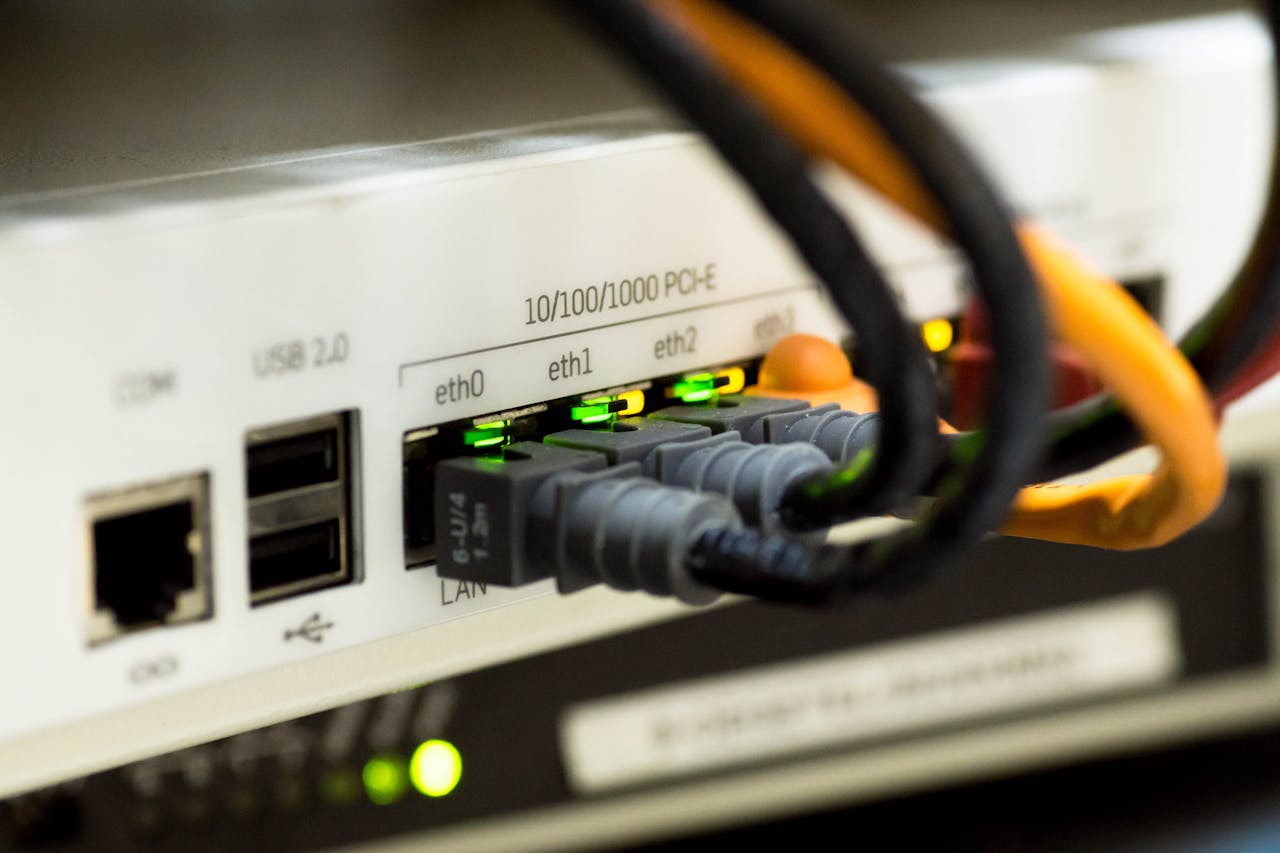
Choosing network cabling solutions that will be appropriate for a facility can affect productivity, efficiency, and connectivity. However, if careful steps are taken, organizations can achieve successful data transmission and prepare their systems for the future. Good planning prevents performance degradation, minimizes downtime, and allows for the smooth implementation of technology evolution.
Understanding Facility Requirements
No organization is alike when it comes to requirements, whether it is due to size, layout, or operations. More importantly, you need to pin down how many devices there are and how many it might need in the future as the operations grow. Think of all types of equipment, i.e., computers, security cameras, and telephones, that will be connected. This data then determines how much bandwidth and what type of network cabling services are needed.
Assessing Cable Types
There are two leading options: fiber optic and copper cabling. Fiber optic cables support fast data transfers over large distances. All twisted pair cabling is copper cabling and can transmit data using copper cable over relatively short distances and within standard office spaces. Your choice will depend on your budget, how fast you need devices to be, and the distance between each device.
Evaluating Bandwidth and Speed
Daily activities and users affect bandwidth requirements. Modern high-speed internet usage or large file transfers require higher category cabling, such as category six or better. Category five is enough for facilities with only basic needs. Installing cabling that enables higher speeds in the future can also save on expensive upgrades down the line.
Considering Installation Environment
Cabling choices are influenced by the physical environment. Shielded cables may be necessary in areas that have electrical interference. Different cabling might be needed for facilities vulnerable to moisture or temperature fluctuations. The choice of cable contributes to preserving the signal and its longevity.
Planning for Scalability
Expansion must by no means be an afterthought. Choosing options that scale up in the future takes time and money. But, this type of cabling infrastructure makes it possible to conveniently add to or modify in the future. Considering upgrades that may need to be made to technology in the future allows the network to accommodate new devices and applications.
Compliance and Standards
Compliance with industry regulations that ensure safety and reliable operation is a must. Networking standards from accredited bodies provide guidelines on installation and upkeep. By adhering to the mentioned guidelines, the percentage of inspection reports turning up system failure and compliance issues would be reduced.
Budget Considerations
Financial planning is a key input to decision-making. Advanced cables are more expensive at first, but tend to be more economical over the long run. A good quality material provides a solution to frequent repairs. Aligning cost with lifetime value promotes security as well as efficiency.
Quality of Installation
No cable is effective if not installed correctly, even the best ones. Professionals who are trained ensure correct routing and termination. They organize the cables neatly, which reduces the chances of tangling or any damage. In addition, a neatly done installation will ensure that future maintenance services will take less time and be less disruptive.
Maintenance and Support
Regular maintenance keeps networks chugging along as they should. Inspections that are performed regularly will catch problems before they start. Maintenance contracts with expert technicians can ensure peace of mind and minimal downtime. A good support system enables organizations to concentrate on the core business functions without diversions.
Future-Proofing the Network
Remember, technology is always changing, and so are networks. Wiring for higher speeds and new devices sets facilities up for future changes. Being aware of the emerging trends makes it easier to upgrade in time. Planning for the future decreases the chance of a network becoming obsolete.
Testing and Certification
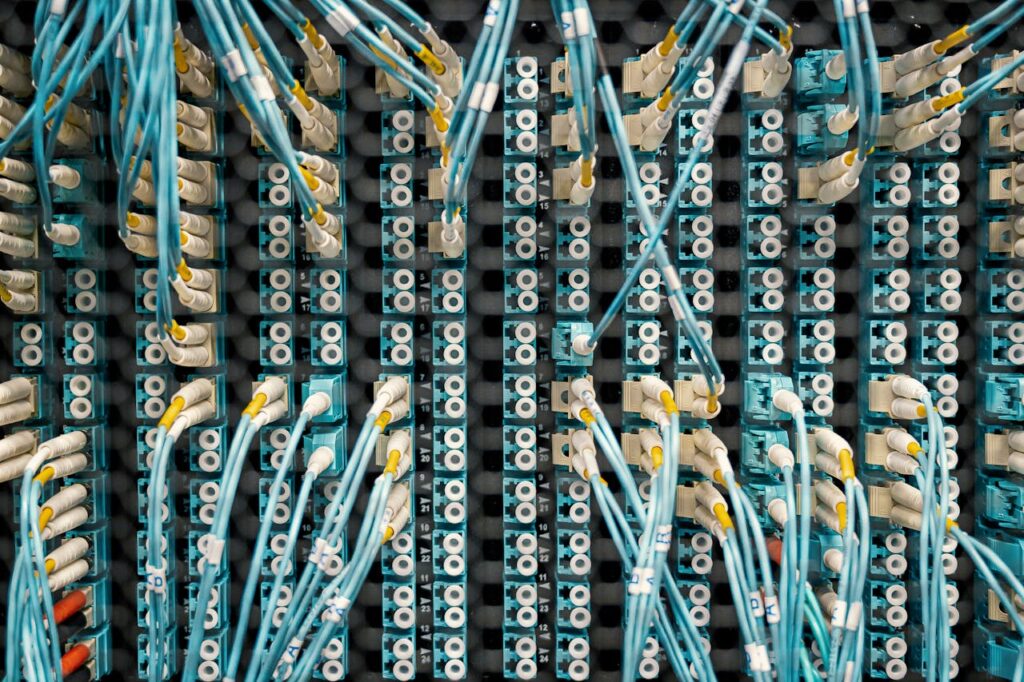
Once installed, testing of each connection ensures that it works exactly as it is meant to be. This certification is used by trained individuals to confirm that standards are being met. This also serves as a documentation for future reference. This ensures that the investment performs at its peak and has maximum reliability.
Conclusion
Selecting appropriate network cabling solutions will demand thorough scrutiny and foresight. The organization lays the foundation for success by factoring in facility level, cable types, and growth potential. Performance is further enhanced by careful installation, regular maintenance, and compliance with applicable standards. Cabling solution enables your facility to communicate, be efficient, and grow in the future when properly selected and cared for.