
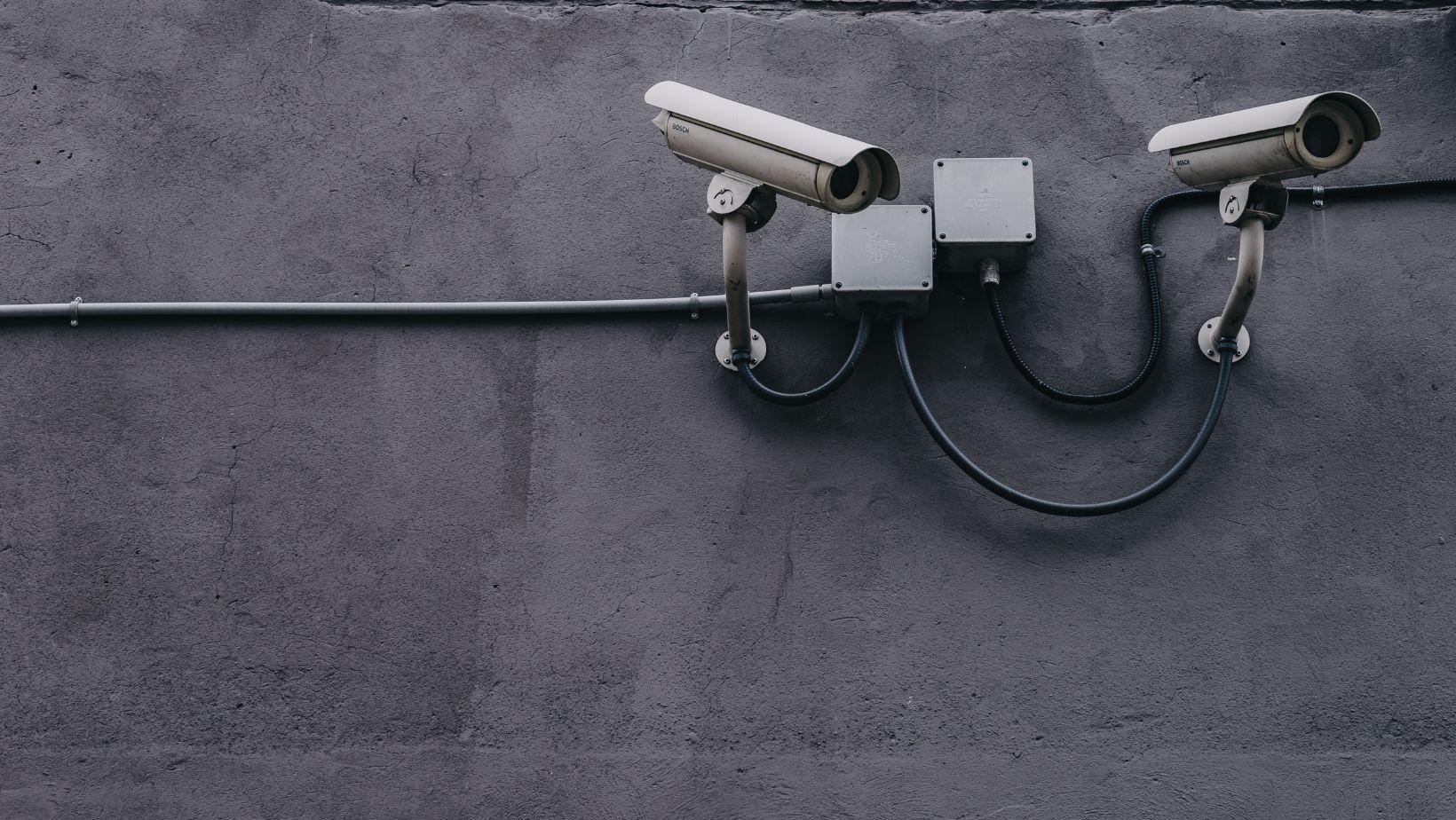
Surveillance tends to get framed in extremes: either it’s glamorous (a trench coat and a long lens) or sinister (someone being watched for the wrong reasons). Real-world surveillance services sit in a far more practical middle ground. Done properly, they’re a methodical way to observe, document, and corroborate facts—often when a situation has become too complex, too sensitive, or too high-stakes to rely on gut instinct.
What follows is a grounded look at how surveillance actually works in everyday cases: what triggers it, what investigators do on the ground, how evidence is handled, and what “success” really looks like.
What Surveillance Is (and Isn’t)
Surveillance is simply the structured collection of observations over time. The goal isn’t to “catch someone out” as a default; it’s to establish patterns, confirm identities, or verify events with a level of detail that stands up to scrutiny.
It’s also not unlimited. In the UK, surveillance is shaped by privacy expectations, data protection principles, and legal boundaries. That typically means investigators focus on public places and lawful vantage points, avoid intrusive methods, and keep documentation relevant to the case purpose. A reputable investigator will be clear about what can and can’t be done before any work begins.
How a Typical Surveillance Case Starts
Most surveillance assignments begin with one of two things: a suspicion that needs confirming, or a dispute where the facts are unclear. Before anyone “watches” anything, there’s groundwork:
The initial briefing and objectives
A client might say, “I think my business partner is diverting stock,” or “I believe my ex is breaching a custody agreement.” Those concerns are valid, but they’re not objectives. Investigators translate them into clear questions, such as:
- Where does the subject go, and when?
- Who are they meeting?
- Are they attending a specific location tied to the allegation?
- Can we document behaviour relevant to a legal or contractual obligation?
Risk and feasibility checks
A good surveillance plan accounts for the subject’s routines, likely environments (residential streets vs. busy transport hubs), and the level of documentation needed. It also accounts for practical constraints: limited access, unpredictable schedules, or situations where observation would create safety issues.
What It Looks Like on the Ground (Real-Life Examples)
Let’s make this concrete. These are common real-world scenarios where surveillance can clarify what’s happening.
Insurance and injury claims
One of the most frequent uses is verifying the accuracy of personal injury or incapacity claims. The point isn’t to assume fraud; it’s to confirm whether reported limitations align with day-to-day activity.
For example, an insurer may have documentation stating a claimant cannot lift, drive, or walk without assistance. Surveillance might record routine tasks—carrying heavy shopping, long-distance walking, manual work—that contradict those limitations. Just as often, it confirms the claim is genuine. Either way, the outcome reduces guesswork and helps disputes resolve faster.
Family matters and safeguarding concerns
In family contexts, stakes can be high and emotions higher. Surveillance might be used to confirm whether a party is adhering to agreed contact arrangements, or whether a new partner with a concerning history is regularly present around children.
This is also where sensitivity matters most. The purpose should be tightly defined, and the information gathered should be proportionate. If you’re at the stage of considering professional help, it’s worth speaking to someone who can explain lawful options and realistic outcomes—many people choose to hire a reliable private detective in London specifically to get that clarity before a situation escalates into a costly court dispute.
Employee misconduct and internal theft
In commercial settings, surveillance is often one part of a broader investigation. A business might notice missing inventory, unusual refund patterns, or repeated policy breaches that only occur on certain shifts.
Surveillance may focus on:
- unauthorised access to stock rooms,
- handoffs in car parks,
- “offsite meetings” that are actually side jobs,
- repeat interactions with specific individuals.
The key is that surveillance rarely stands alone; it usually supports audits, access logs, and HR processes. When handled correctly, it can protect the business while also preventing false accusations.
The Tools and Techniques Professionals Actually Use
Modern surveillance is less about gadgets and more about planning, positioning, and documentation. Yes, there may be camera equipment involved, but the decisive factor is almost always operator judgement.
Static vs. mobile surveillance
- Static surveillance involves observing from a fixed position—useful when a subject is likely to appear at a known location.
- Mobile surveillance involves following a subject as they move—harder to execute discreetly and safely, especially in dense urban areas.
In cities, teams may be used so a single operative doesn’t have to maintain constant proximity (which increases the chance of being noticed). Public transport, one-way systems, and crowded venues all influence tactics.
Documentation that holds up
The best evidence is boring in the best way: clear timestamps, consistent narrative notes, and media that shows context (not just close-ups). Investigators typically maintain contemporaneous logs detailing where they were, what they observed, and how they can account for continuity.
What Clients Get at the End: Reports, Media, and Next Steps
Surveillance is only useful if the output is usable. Most clients receive a written report supported by relevant photographs or video clips. The report usually includes:
- dates and times of activity,
- locations and routes where relevant,
- descriptions of interactions and behaviours observed,
- identification markers (vehicles, clothing, companions),
- an index linking media to specific log entries.
A well-prepared report helps a solicitor, insurer, employer, or mediator quickly understand what happened without having to “interpret” raw footage. It also reduces the risk of cherry-picking—context matters, and professionals know that incomplete context can backfire.
Common Misunderstandings (and How to Avoid Costly Mistakes)
People often commission surveillance expecting a dramatic “gotcha” moment. In reality, outcomes tend to be subtler: pattern confirmation, timeline verification, or ruling out a concern so everyone can move on.
A few practical pointers if you’re considering it:
- Be clear about the decision you need to make. Are you trying to negotiate, litigate, terminate employment, or protect a child’s welfare?
- Expect that some days will show nothing. That can still be useful data, especially when proving a routine doesn’t exist.
- Choose proportionality over obsession. A tight, well-scoped assignment often yields better results than open-ended monitoring.
Why Good Surveillance Is More About Judgement Than Cameras
The best surveillance work looks simple from the outside because it’s designed to be: minimal disruption, minimal risk, maximum clarity. It’s equal parts patience and professionalism, with a strong emphasis on legality, documentation, and relevance.
If you take one idea away, let it be this: surveillance isn’t about watching everything. It’s about observing the right thing, at the right time, for a specific reason—and then presenting it in a way that stands up when it matters.