
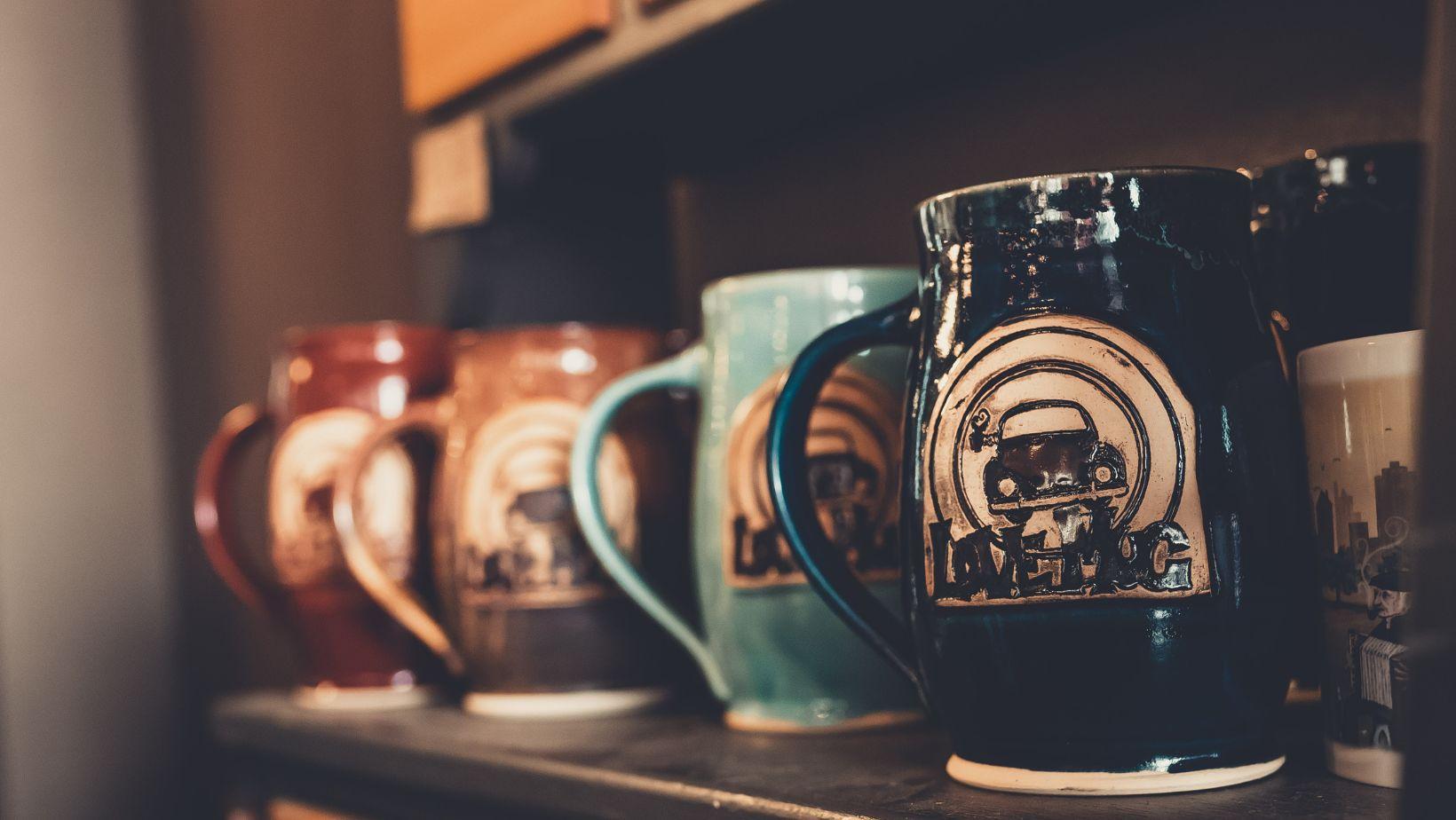
A coffee mug in the hospitality sector is not just a vessel for drinking liquids; it is a direct point of contact between the customer and the business. That means critical additions around this hospitality drinkware can help shape the feel of your service and environment. The goal is to make the mug used daily in the office or hotel create a premium perception without forcing advertisements. A quality coffee mug with an intentionally branded message or image can become one of those small details that makes a hospitality business feel like itself.
1. Don’t Downplay the Power of Branded Mugs, They Have Real a Job to Do
A branded mug does not need to be handed to a customer as a giveaway to justify its place in a hospitality business. Sometimes its most useful role is simply to do the job it was bought for every day.
Picture a hotel room with matching mugs beside the kettle. Downstairs, the breakfast area uses another set. The reception team has its own mugs behind the desk, while conference rooms have drinkware ready for meetings. Nothing feels like a marketing campaign. It is simply part of how the property operates.
That is where custom coffee mugs start to make practical sense:
- Guest-room drinkware with logo keeps the room presentation consistent.
- Restaurant and café branded mugs become part of the serving experience.
- Staff customized mugs bring some identity into areas guests may not see.
- Meeting-room drinkware with company colors help a business hospitality space feel properly prepared.
The better question, then, is not how a branded mug will promote your identity, but “Where will this mug genuinely earn its place?”
2. A Hotel Room and a Resort Patio Need Different Mugs
There is no universal hospitality mug. A ceramic cup sitting beside a hotel coffee maker faces very different conditions from a mug carried around a resort or used during an outdoor breakfast. Ceramic often makes sense where presentation and a familiar coffee experience matter. Stainless steel may be more practical where guests are moving around, spending time outdoors or carrying drinks between areas.
Then there is the branding itself. The same thinking applies to appearance. A colorful printed mug might suit a lively café. A more restrained engraved design may sit naturally in an executive lounge without competing with the rest of the décor.
This is why experienced sourcing is more than scrolling through product options. Someone needs to think through:
- Who will use the mug
- Where it will live
- How often it will be washed and handled
- Whether the material suits that environment
- How visible the branding should actually be.
A mug can look excellent in a product photograph and still be the wrong choice for the operation.
3. The Smallest Details Can Connect Different Guest Spaces
Guests rarely experience a hotel, resort or restaurant as a collection of separate departments. They move from one space to another and gradually form an impression of the whole property. That makes consistency useful.
A guest might encounter the same visual identity over breakfast, in a meeting room and later in the lounge. The mug is not doing all the branding work, of course. But it becomes one more familiar detail linking those spaces together.
This becomes particularly useful in properties with several service points:
- Breakfast and coffee stations
- Conference rooms
- Guest rooms and suites
- Reception lounges
- Spa or wellness areas
- Outdoor dining spaces.
The important distinction is that the mug remains useful first. Its branding should support the setting rather than turn an ordinary coffee service into a sales pitch.
4. The Mug Can Eventually Leave the Building
Here is where an everyday operational item can become something more. A café that uses a distinctive mug every morning might eventually sell the same style to customers. A hotel could place a customized version in a premium welcome package. A restaurant might create a limited design for an anniversary. An established hospitality group could also use higher-end mugs for staff recognition or onboarding.
That creates several uses from one carefully considered branding system. The design does not have to remain identical everywhere, either. Ceramic, stainless steel, travel mugs, different capacities, full-color printing or engraving can serve different purposes while keeping the underlying identity recognizable.
That is a more mature approach to branded merchandise: start with how the business actually works, then build outward from there.
In essence, a coffee mug does not become valuable because a logo happens to be printed on it. Its value comes from being useful, appropriate and durable enough for real hospitality work. When businesses select drinkware with that practical reality in mind, the branding becomes part of the operation itself—not another promotional item competing for attention.