
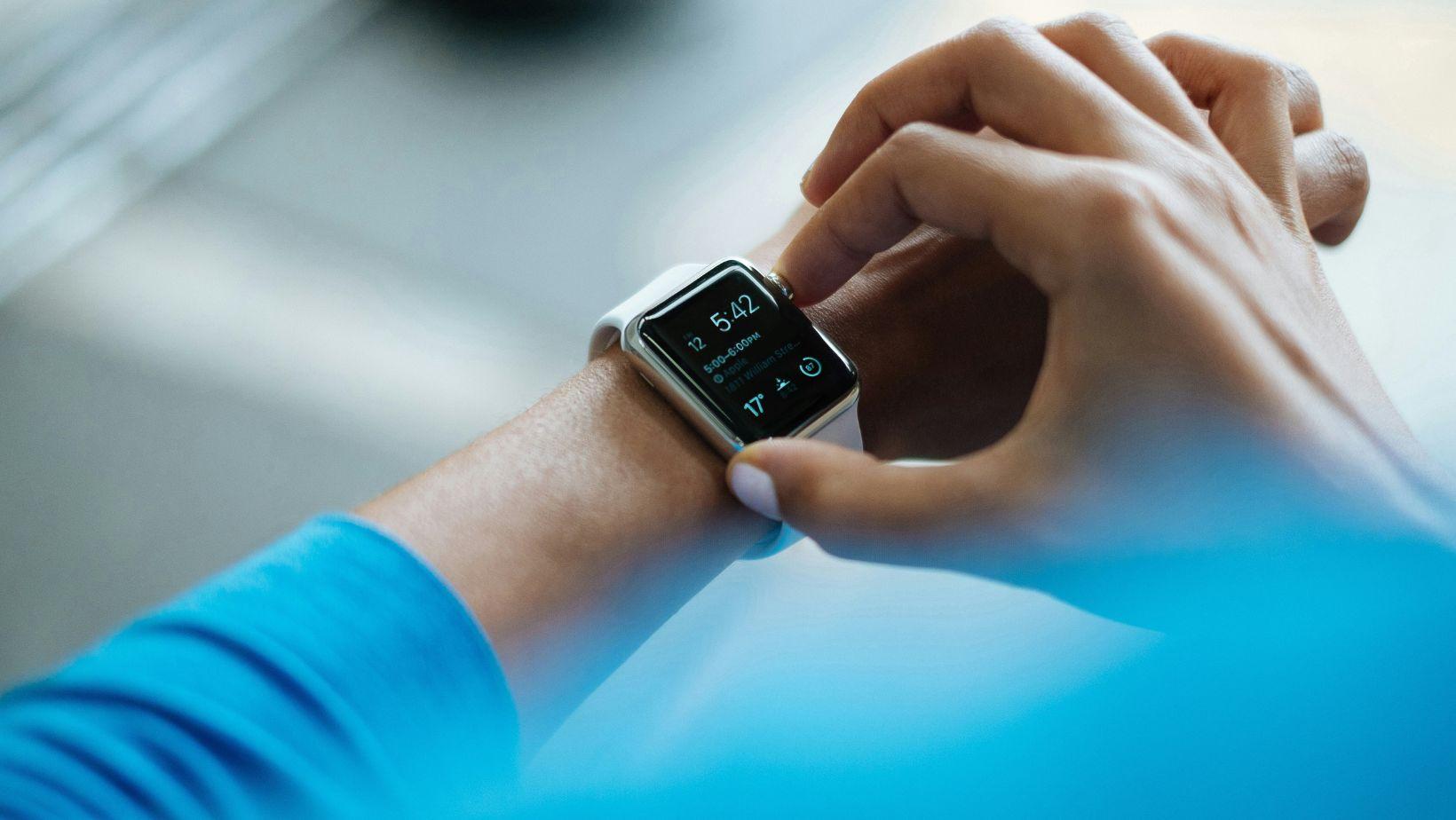
The evolution of technology has led to its application in multiple fields. Medical device manufacturers now create electronic tools, smart health gadgets, and connected hardware. These digital health devices are becoming increasingly popular as they promote fitness, wellness, and patient care.
Doctors even recommend them to patients, as they help keep them alert and ensure active participation in healthcare management. These innovations offer many advantages, so demand for them is increasing. Keep reading to discover five major benefits of digital health tools.
Greater Convenience and Accessibility
Those living in communities without nearby hospitals face difficulties accessing emergency healthcare services. With digital health devices, the strain is less as they no longer need to travel miles for simple checks in the hospital. Instead, they can get accurate readings of their vitals through monitoring tools and enjoy virtual consultations using telemedicine platforms.
Early Detection of Health Conditions
Several health devices actively monitor vital body signs, noting changes immediately they occur. For example, an electrocardiogram monitor tracks heart rate and rhythm to detect unusual activity. If the user’s heart rate becomes abnormally high, the tool sends a notification or displays a warning message.
Through these alerts, users become informed of potential health risks and can seek prompt medical attention. The ensuing assessment can lead to an immediate diagnosis and early treatment, preventing potential complications.
Efficient Patient Monitoring
Patients with chronic conditions may need round-the-clock monitoring. While this is helpful, doctors don’t offer full-time service to patients. Only private duty nurses or medically trained live-in caregivers offer this service, and it’s usually expensive. But with smart health gadgets, one can access continuous monitoring at a cost-effective rate.
With consistent wearing, these gadgets track blood pressure, glucose levels, oxygen saturation, and other monitoring metrics throughout the day. Medication adherence tools also help patients take their medication on schedule and record their dosage history. With this, medical practitioners can identify trends, personalize treatment, and make informed care decisions.
Enhanced Data Collection and Accuracy
Smart health tools perform multiple distinct functions. However, those that track vital body signs and monitor health metrics usually keep a secure data log. Since results and reports are automatically registered, there is less risk of data inaccuracy. Through this feature, users can access comprehensive health data and share it with their healthcare team.
Patients can also use records that provide a timeline of symptoms, treatment, and illness for legal processes. For example, when filing lawsuits for occupational diseases like lung cancer, support organizations such as https://www.lungcancergroup.com/legal/lawsuit/ often use medical data as evidence.
Improved Environmental and Occupational Health Awareness
Medtech devices usually have sensors that monitor health indicators. However, some also evaluate environmental factors such as temperature and air quality, as these can affect an individual’s well-being. Such tools alert users to the presence of harmful agents like:
- Pollutants
- Volatile organic compounds
- Allergens
Digital tools with this function are particularly useful to employers who strive to maintain safe working environments and comply with occupational health standards. By integrating such technologies into workplace systems, organizations can gain insight into environmental conditions, identify hazards, and take preventive action.
Endnote
Digital health devices are no longer restricted to use within hospital environments. Individuals now buy and use portable versions because they provide convenience and enable illness detection and patient monitoring. They also support medical documentation and can monitor environmental factors to enhance safety.