
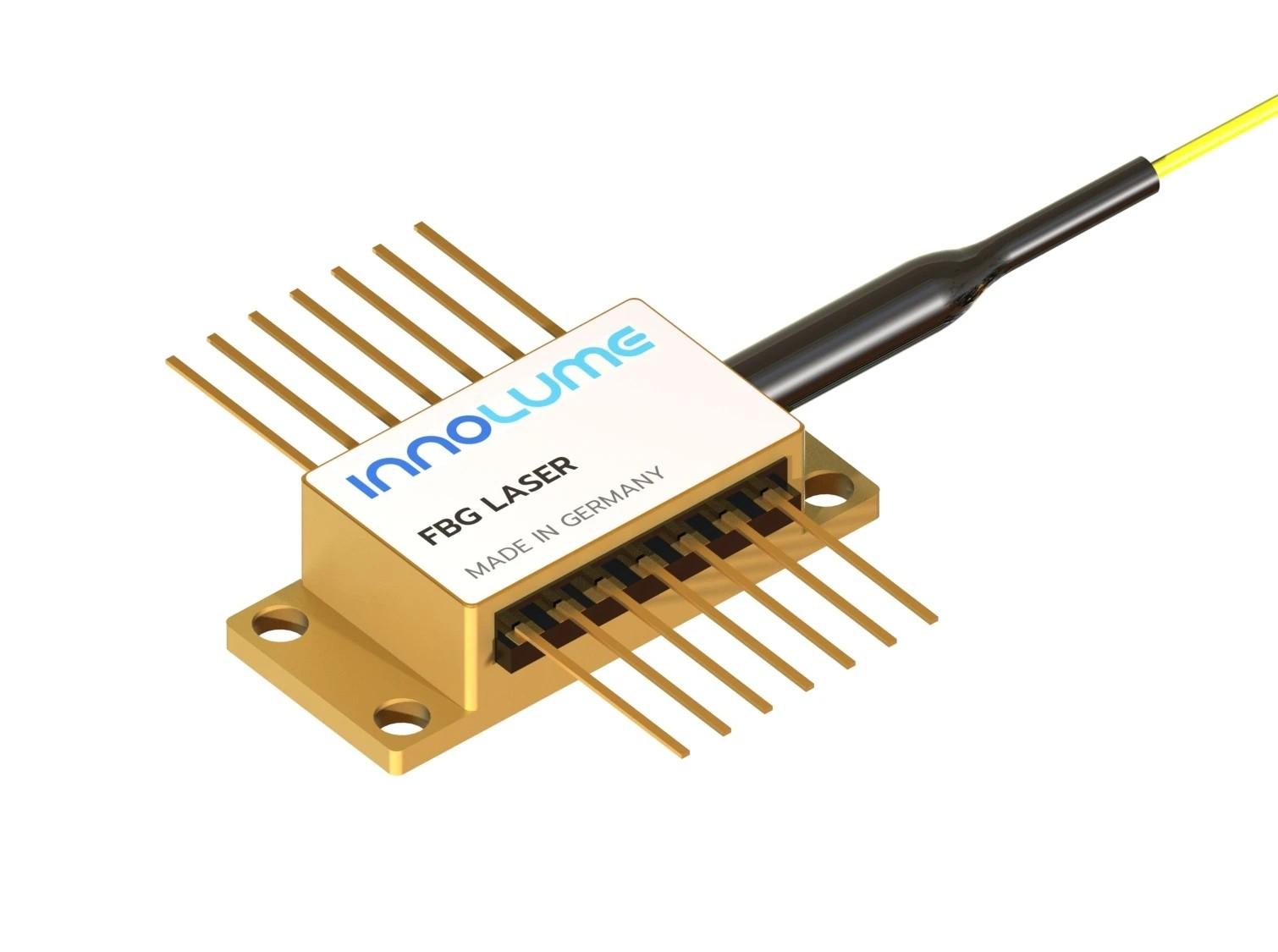
In optical systems, output power affects amplifier pumping and energy delivery through a fiber. The diode must also match the wavelength and optical interface.
For engineers comparing 500 mW lasers, the key question is how that output fits the application. A 500 mW rating alone says little about spectral bandwidth, coupling efficiency or thermal requirements. They determine whether a component suits the setup.
Applications That Need a Defined Output
High-power semiconductor diodes serve as pump sources and optical inputs where a specific wavelength and output level are required. Depending on design, they can support:
- Fiber amplifier pumping, including bismuth-doped and Raman fiber systems.
- Sensing and test equipment, for controlled signal generation and measurement.
- Scientific research, including development and characterization of photonic systems.
Requirements vary with the task. An amplifier pump may depend on a particular wavelength and fiber interface, while a measurement system may emphasize spectral properties and output stability. Selection starts with the optical design, not the power figure alone.
Looking Beyond the Power Rating
Selecting a semiconductor laser diode involves more than comparing output power values. Even when two models deliver the same optical output, their operating characteristics and integration requirements may differ considerably. Wavelength, spectral properties and thermal behaviour all influence how effectively a diode performs within a specific optical system.
Key parameters include:
- Wavelength and tolerance, matched to the target system.
- Output power and drive current, which affect electrical design and thermal load.
- Spectral bandwidth, relevant when wavelength-sensitive components are involved.
- Package and fiber coupling, which define mechanical integration.
- Operating temperature, since heat management influences performance and reliability.
A 500 mW diode may come in different wavelength and package configurations. Fiber-coupled versions simplify integration into compatible systems, while TO packages suit other assembly requirements. The choice depends on equipment architecture and operating environment. Engineers should also assess cooling capacity and compatibility with the driver to ensure reliable operation under the intended conditions.
Engineering for the Intended Application
Standard products cover many requirements, but some projects need a specific combination of wavelength, packaging or optical characteristics. Customization and engineering expertise help address these needs.
Innolume GmbH develops and manufactures semiconductor laser diodes using Quantum Dot and other semiconductor technologies. Its 500 mW range includes fiber-coupled and TO-packaged models at selected wavelengths. With in-house R&D and a full production cycle, Innolume supports standard product selection and application-specific configurations. Its specialists can help assess system requirements and suitable configurations.