

The profitability of a logistics business depends on more than just freight rates and fuel costs. A significant portion of expenses arises within operational processes: costs that are not always explicitly itemized in financial reports. Misaligned schedules, empty-leg trips, and delays at terminals gradually erode profitability. To address these issues, a logistics software development company can create a digital platform that integrates the management of transport, orders, and warehouse operations.
Why Logistics Companies Lose Money Unnoticed
Hidden costs in logistics primarily stem from operational inefficiencies that are difficult to detect when analyzing high-level financial metrics. Even minor deviations from a schedule, underutilized vehicle capacity, or unnecessary extra mileage increase the cost of transport. When multiplied across a large number of daily shipments, these losses become systemic, steadily shrinking the operating margin.
Common causes of these unnecessary expenses include:
Empty-leg mileage (deadheading). Poor coordination of orders and a lack of return loads increase the number of unproductive trips. The carrier incurs costs for fuel, personnel, and vehicle maintenance without generating corresponding revenue.
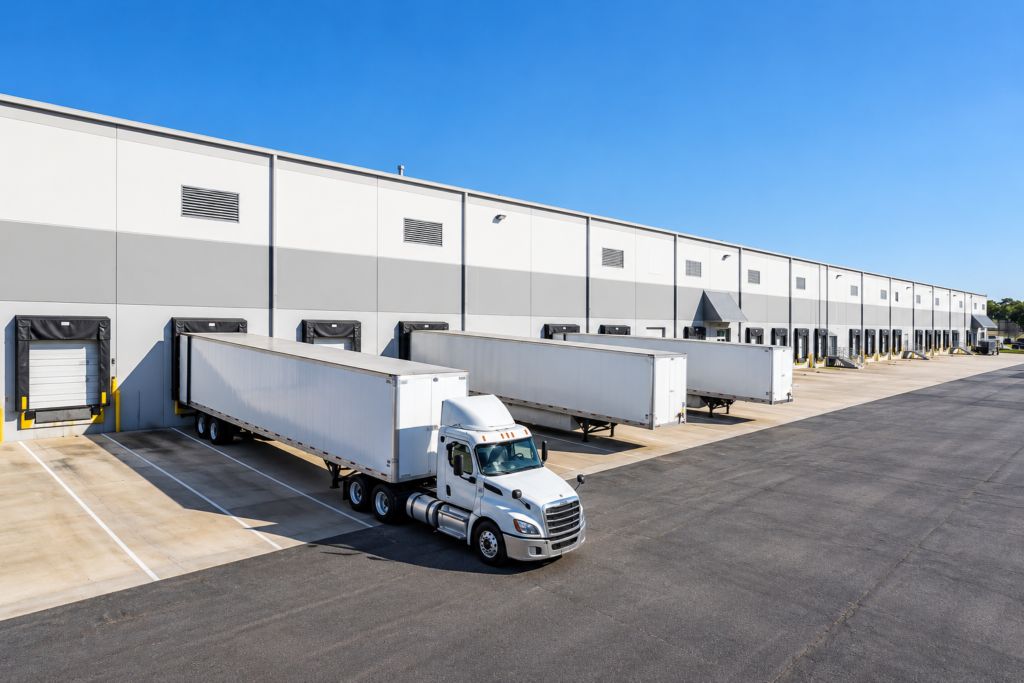
Vehicle downtime. A mismatch between vehicle arrival schedules and terminal loading operations leads to long wait times. This reduces fleet productivity and limits the capacity to take on additional orders.
Planning errors. Inefficient delivery sequencing, failure to account for road restrictions, or overlooking specific time windows can increase total mileage, extend trip durations, and raise the risk of missing agreed-upon deadlines.
Fragmentation of operational data. A lack of integration between order management, transport management, and warehouse management systems makes it difficult to calculate the cost of individual shipments, identify deviations, and assess the profitability of specific routes.
Without comprehensive analytics, management often learns of rising costs only after the reporting period has ended, at which point the opportunity to take prompt corrective action has already passed.
How Automation Impacts Delivery Costs
Modern digital platforms enable transport management based on real-time data. A Transport Management System (TMS) accounts for route constraints, vehicle specifications, and agreed-upon delivery windows, allowing dispatchers to adjust schedules more quickly in the event of delays or order changes.
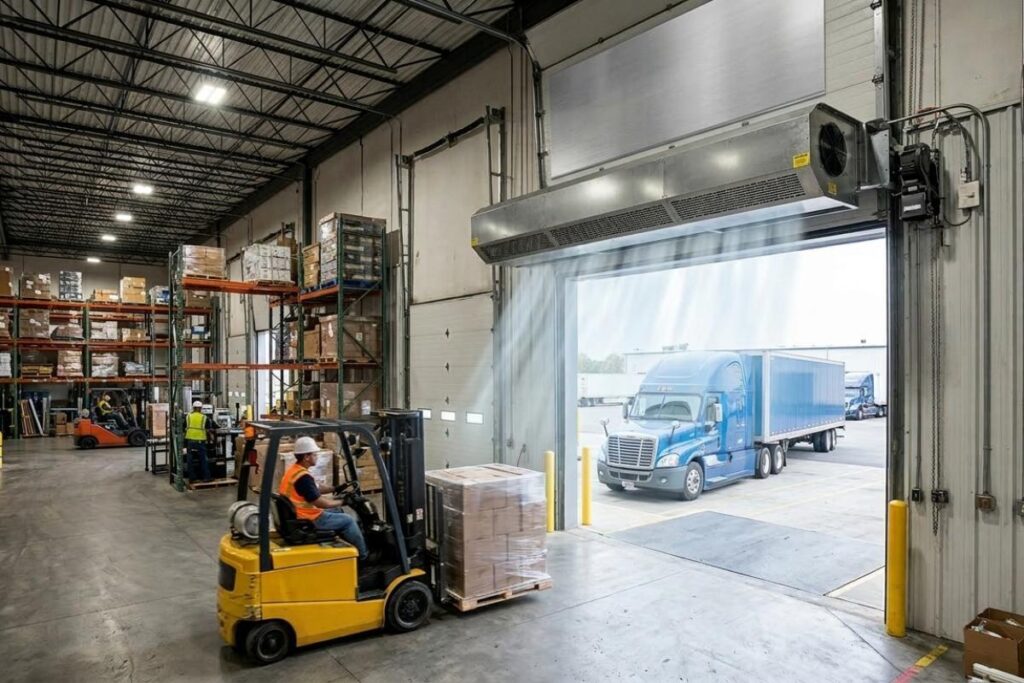
Integrating a TMS with a Warehouse Management System (WMS) helps synchronize cargo preparation with vehicle arrivals. Meanwhile, telematics data can be used to analyze mileage, vehicle downtime, and fleet operational patterns.
Automating document workflows also reduces repetitive tasks. Instead of manually transferring data between spreadsheets, staff work with a unified dataset, ensuring that any changes are immediately visible to all relevant departments.
Evaluating the Economic Efficiency of Implementation
Purchasing software alone does not guarantee cost savings. First, it is necessary to identify which operations generate the most significant losses.
A practical approach involves several steps:
Analyze costs per kilometer, wait times, and vehicle utilization rates.
Identify processes that require constant manual intervention.
Determine the necessary integrations with existing accounting or management systems.
Launch a pilot project and compare performance metrics before and after implementation.
The primary advantage of automation is the ability to control costs. It allows a company to detect inefficient operations before they become a persistent source of financial loss.