Modern software teams live with a strange tension. You want to ship fast, delight users, and keep momentum alive. At the same time, every release can hide a fragile crack in the codebase—a flaw that looks harmless in the morning and becomes a breach by nightfall. That pressure is real. It keeps developers alert, security teams busy, and business leaders uneasy.
This is why prioritization matters so much. Finding vulnerabilities is only part of the battle. Knowing which flaws demand immediate attention, which ones can wait, and which ones are likely false alarms is where real resilience begins. An AI code vulnerability scanner can help cut through that noise. It does not just list problems; it can help teams understand risk in a more practical, more human way.
There is something almost eternal about the lesson many teams learn too late: not every bug is equal, but every ignored warning has a cost. A senior engineer once described a late-night outage as feeling “eternal,” not because the clock stopped, but because each minute stretched under the weight of uncertainty. That memory stayed with the team for years. It changed how they looked at code flaws forever.
Why prioritization matters more than detection alone
Many organizations already run security scans. They have dashboards, alerts, and reports stacked on reports. Yet they still struggle. Why? Because volume can become its own kind of vulnerability.
When dozens, hundreds, or even thousands of findings pour in, teams can freeze. A low-risk issue may get fixed before a critical authentication gap simply because it looks easier to handle. That is not laziness. It is a symptom of overload. An AI vulnerability scanner helps bring order to that chaos by ranking findings based on likely exploitability, business impact, code context, and historical patterns.
That shift is powerful. Instead of treating every flaw like a fire alarm, you begin to see which ones are sparks near dry wood and which ones are minor smoke from a distant corner. Security becomes less about panic and more about clarity.
How an AI vulnerability scanner helps teams focus
The real value of intelligent scanning is not just automation. It is smarter triage.
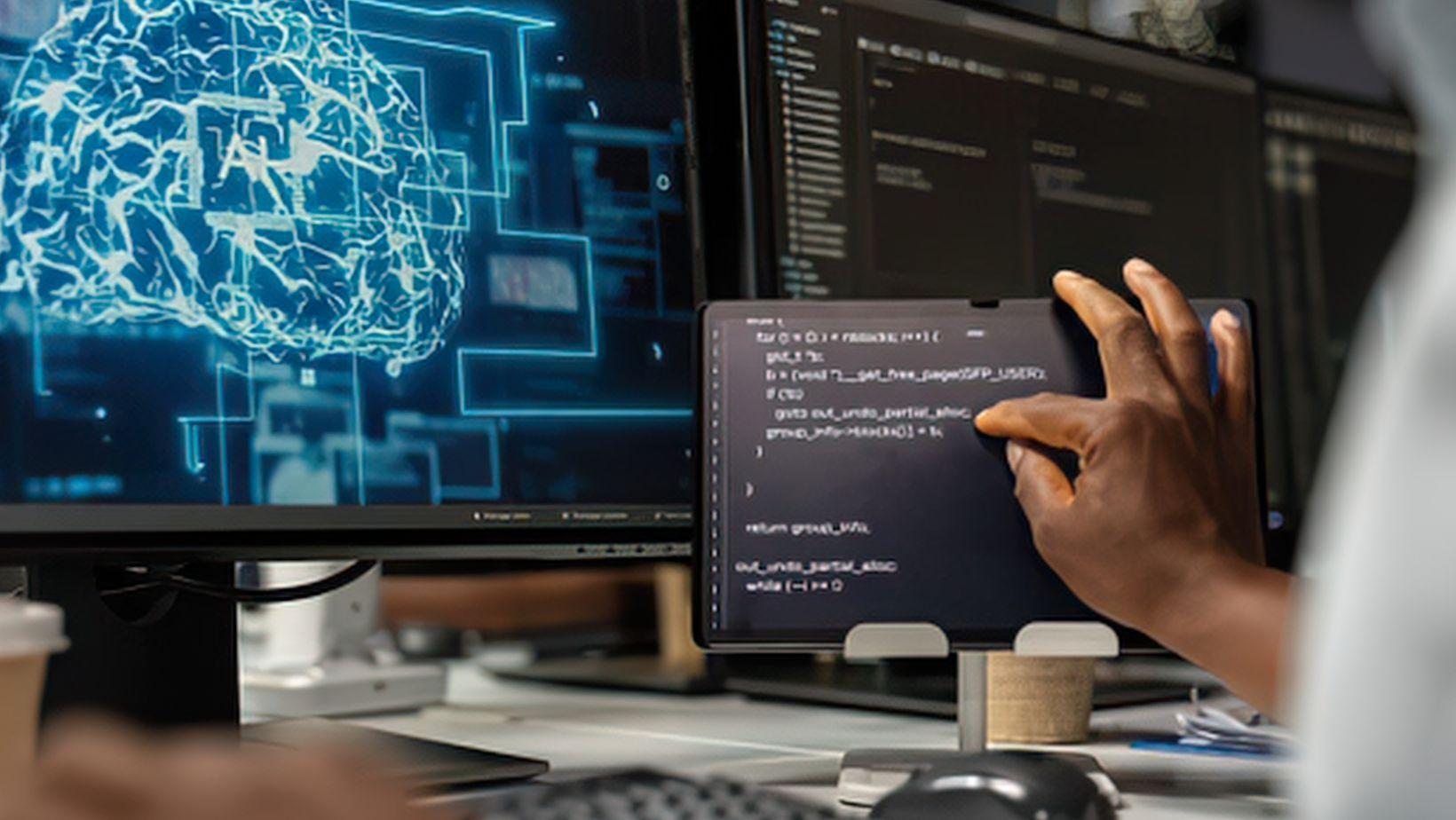
An AI vulnerability scanner can analyze source code, identify known weakness patterns, and correlate those findings with surrounding logic. It may recognize when a flaw sits inside a public-facing login flow rather than a buried internal utility. That difference matters. The same coding mistake can carry dramatically different risk depending on where it lives and how it is used.
In practical terms, this helps teams answer the questions that actually matter:
– Is the flaw reachable by attackers?
– Does it expose sensitive data?
– Could it disrupt core operations?
– Is exploitation simple or highly unlikely?
– Does this issue resemble known attack paths?
When you have those answers, you stop wasting precious hours debating what deserves attention first. You move.
Using an AI code vulnerability scanner in real development workflows
A useful security tool should fit where teams already work. If it slows development to a crawl, resentment builds quickly. If it floods pull requests with context-free warnings, developers tune it out. That is why integration matters just as much as accuracy.
An AI code vulnerability scanner works best when embedded into the software development lifecycle. It can review code during commits, pull requests, test phases, and pre-release checks. That means flaws are surfaced earlier, when they are cheaper and easier to fix.
Think about a company going through a major office relocation while also migrating systems. One team lead recalled how messy everything felt—desks in boxes, devices unplugged, deadlines still approaching. In the middle of that relocation, a misconfigured access control issue nearly slipped into production because everyone was distracted. That story resonates because security flaws rarely appear at convenient times. They emerge during change, pressure, and fatigue. Tools that prioritize clearly become essential during exactly those moments.
What to look for in high-priority code flaws
Not every vulnerability deserves the same urgency. Strong prioritization usually weighs several factors together rather than relying on severity labels alone.
First, look at exposure. A flaw in internet-facing code often deserves more attention than one hidden behind layers of internal controls.
Second, consider data sensitivity. Vulnerabilities touching payment information, health records, credentials, or proprietary business logic should move up the queue fast.
Third, examine exploit simplicity. If attackers can trigger an issue with little skill or no authentication, the risk rises sharply.
Fourth, assess business criticality. A flaw in a customer login service may matter far more than a similar flaw in a low-use reporting tool.
Finally, account for fix complexity. Some dangerous flaws can be patched quickly. Others require refactoring, testing, and coordination. Prioritization should reflect both danger and feasibility.
Reducing alert fatigue with an AI code vulnerability scanner
Alert fatigue is one of the quietest threats in modern security. It does not explode dramatically. It erodes attention little by little, until teams stop reacting with urgency.
This is where an AI code vulnerability scanner can earn trust. By reducing duplicate findings, filtering likely false positives, and adding contextual scoring, it helps security teams focus on what is truly actionable. Developers are far more likely to engage with security guidance when the guidance feels relevant rather than random.
A developer once joked that an old build system felt “ashless,” as if every fire had already burned out and left no trace. It was said with a laugh, but the meaning was sharp: the team had become so used to warnings that they no longer felt the heat. That ashless feeling is dangerous. When alerts stop carrying emotional weight, real threats can slide by unnoticed.
Building a healthier response strategy
Technology alone is not enough. Prioritization works best when paired with shared habits and clear communication.
Teams should define response tiers in advance. For example, critical flaws in exposed services might require same-day action, while lower-risk issues enter a scheduled remediation cycle. Security and engineering leaders should review patterns together, not just individual findings. If the same categories of flaws keep appearing, the deeper issue may be process, training, or architectural debt.
It also helps to make reporting understandable. Developers need clear explanations, likely attack scenarios, and practical remediation steps. Leadership needs a concise view of operational risk. Everyone benefits when findings are translated into business language instead of buried in technical noise.
When handled well, prioritization becomes more than a security function. It becomes a confidence engine. Teams release faster because they trust their process. Stakeholders worry less because risk is visible and managed. Users remain safer because the most dangerous flaws are not left waiting behind cosmetic fixes.
The path forward for secure, confident development
Code security is no longer just about spotting weaknesses. It is about seeing them in context, responding with discipline, and protecting what matters most before damage is done. That is the real promise of an AI vulnerability scanner: not fear, but focus.
When you pair smart detection with thoughtful prioritization, software teams gain something precious—calm under pressure. And in a world of constant releases, constant change, and constant risk, that calm may be one of the most valuable assets you can build.