
While digital marketing is overshadowing old-school marketing because it offers broader reach, higher engagement, and real-time tracking, this does not mean it’s dead. Offline advertising still offers a more personal approach to potential customers.
Instead of prioritizing one strategy over another, businesses can combine approaches to create an effective strategy. Understand how each strategy supports customers’ journey to achieve measurable results. This article outlines five tips to help find the right balance.
Know Your Target Audience
Different audiences have varying preferences, habits, and expectations that influence how they discover brands and make purchasing decisions. Your ideal audience is the one who is likely to buy what you offer or consider your services. When researching your target audience, consider factors such as:
- Age
- Location
- Occupation
- Gender
- Socioeconomic status
This information will help you identify their preferred communication channels, making it easier to use methods that will reach them effectively. This will also lower the money wasted on ads and materials that reach the wrong audience.
Maintain Consistent Branding Across Channels
Branding consistency plays a big role in growing customer loyalty and trust. When consumers encounter your brand, they should not have a hard time recognizing or remembering it. Use the same logo, color palette, tone, and message across all online and offline channels.
Consistent branding is important, but you don’t have to make every ad look identical. Ensure customers receive a recognizable message regardless of how they interact with your business. Also train your team on the importance of consistent branding and ensure they are updated on any changes.
Use Print Marketing to Support Digital Campaigns
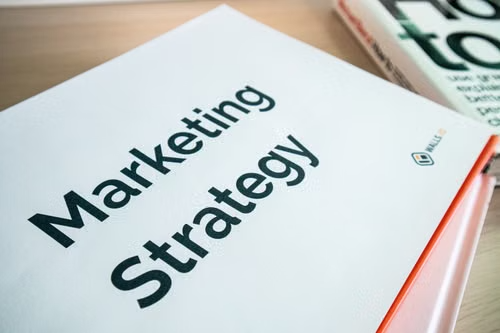
Traditional marketing materials can work well when they complement digital marketing and direct customers between channels. Printed material provides a physical way to share information while digital channels make it easier for clients to explore products, compare options, and take the next step. For instance, corporations preparing material for sales presentations can use business folders to organize documents, showcase their branding, and present promotional information professionally.
The best results often come when printed materials connect customers to online resources. Here are a few ways to do this:
- Add QR codes on print materials
- Include website details
- Promote social media accounts
- Guide customers toward landing pages
- Include specific calls to action
Allocate Your Marketing Budget Strategically
Balancing your marketing strategies does not mean you have to spend 50/50. The right allocation is the one that factors in your business goals, target audience, available resources, and the performance of previous campaigns. This will help maximize the return on investment. To make informed budgeting decisions, you will need to:
- Set clear objectives
- Track performance
- Review costs and results
- Adjust your spending
Regularly review performance to avoid overspending on campaigns that do not work anymore. Your budget should support activities that contribute to measurable business growth.
Coordinate Campaigns and Measure Their Impact
Combined marketing strategies can only be more effective when working towards the same objective. Running unrelated campaigns across channels can confuse customers. This will also make it difficult to understand which activities are yielding results. To make sure everything is organized, you should:
- Have a marketing calendar
- Set clear goals from the start
- Share updates between teams
- Follow up with interested customers
Monitor indicators such as website traffic, qualified leads, sales customer engagement, and conversion rate. Ask customers if they can provide feedback on how they discover your business. This can reveal how different marketing touchpoints influence decisions.
Endnote
Balancing digital and traditional marketing requires a clear understanding of your audience, consistent branding, thoughtful budgeting, and coordinated campaigns. When you combine the convenience of digital channels with the tangible benefits of traditional marketing, businesses can reach potential customers and build stronger relationships. Keep in mind that the most effective strategy is the one that connects the right methods and the audience.