

Millions of users enjoy spinning virtual slots every day. They don’t pay to play, but someone profits anyway. The secret lies in smart game design, deep psychology, and invisible monetization. Free spins are more powerful than they seem.
Why free to play social casino games dominate the charts
The great benefit of free to play social casino games is that they let users enjoy slots, blackjack, and roulette without risking real money. These apps give players coins daily and offer endless spins, bonuses, and achievements. They attract casual users who enjoy the thrill without financial risk.
According to Statista, over 160 million people worldwide played social casino games in 2023. That number continues to grow each year. These games appeal to users across all age groups, especially those between 25 and 44.
Sensor Tower reports that these games generated over $6 billion in revenue globally in 2022, even though users are not required to pay. The profits come from optional purchases, advertising, and behavioral triggers. These games are built to keep players engaged and spending over time.
How small interactions create massive profits
Social casino apps give players constant rewards. Free spins, level-ups, and streak bonuses are carefully timed. These features follow behavioral science principles. Players feel progress, excitement, and control even when they don’t spend money.
Each reward reinforces habits. Users return daily to collect bonuses. Over time, the commitment grows. Developers use this engagement to introduce in-app purchases. A few dollars for extra coins or faster spins feels justified after hours of play.
Less than 5% of users make purchases, but those users contribute most of the revenue. This is called the freemium model. Most play for free, while a few loyal users spend heavily. The design encourages loyalty through status badges, exclusive content, and personal milestones.
Players stay engaged longer through social rewards
Beyond coins and spins, these games use social elements. Leaderboards, chat rooms, and friend challenges keep players returning. Competition and recognition drive deeper involvement.
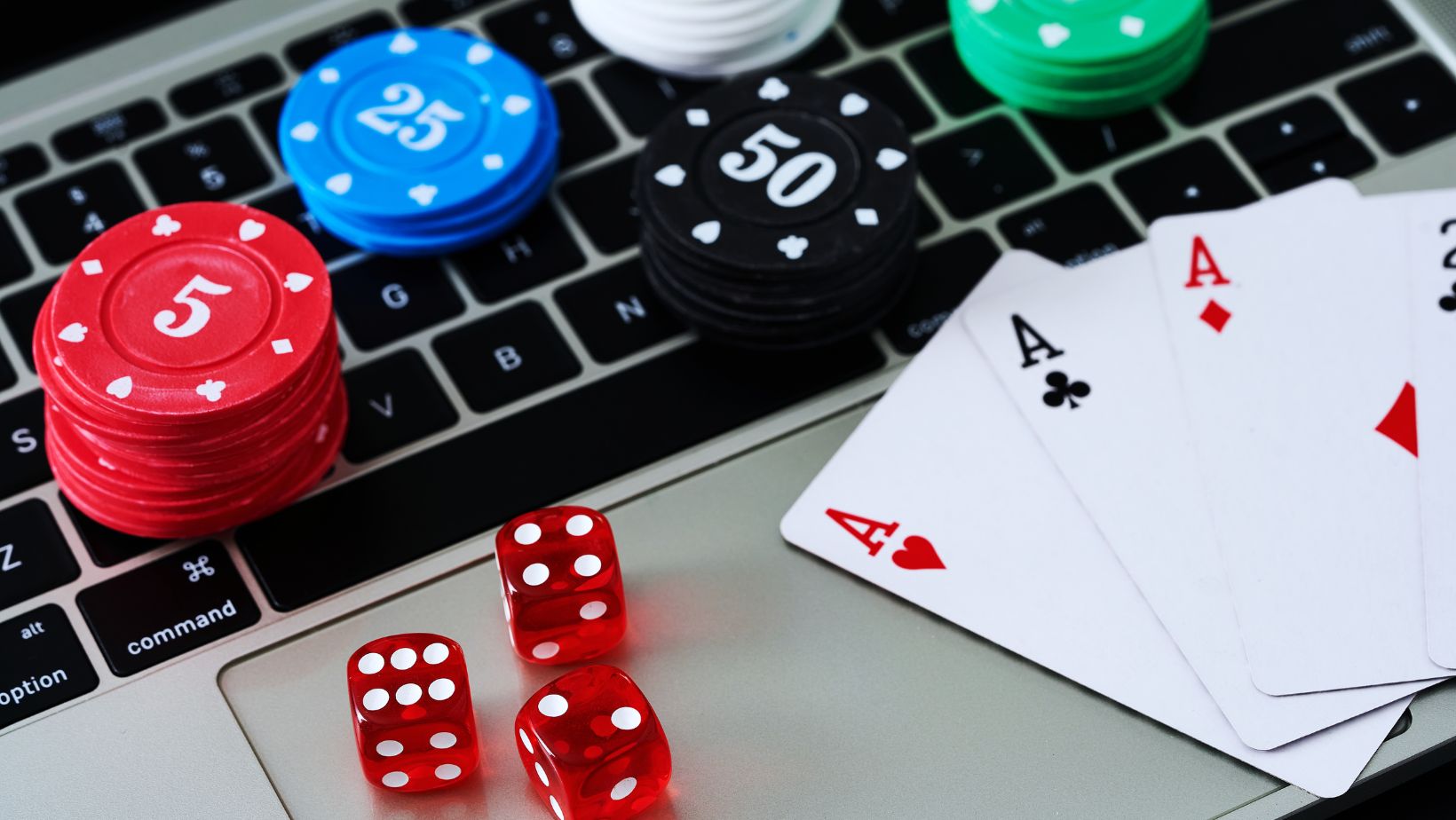
Developers create time-based events. Players unlock content by participating daily or competing with friends. This builds urgency. It also fosters a sense of belonging and achievement. These emotional drivers are more effective than traditional ads.
Personalization also plays a major role. Games use player data to suggest offers, send reminders, and design custom experiences. These features increase conversion rates and user satisfaction.
Users who follow tech trends understand the psychology
Those who follow tech trends recognize the deep design systems behind free games. These apps use the same engagement techniques found in fitness trackers, dating apps, and streaming platforms. Every notification, bonus, or visual cue is tested and optimized.
Gaming insiders track these trends closely. Reports from Newzoo show that game session length in social casinos averages 23 minutes, much higher than casual games. Developers study user behavior constantly to refine engagement loops and reward timing.
Gamification experts borrow from behavioral economics. Variable rewards, milestone streaks, and micro-goals tap into dopamine cycles. Players keep spinning not because they chase money, but because they feel rewarded at the right moment.
Advertising revenue powers the free model
In-app ads generate massive profits. Every time users watch a video to earn coins, the developer earns revenue. With millions of daily players, those ad views add up quickly.
App Annie estimates that ad-supported games saw a 30% increase in total ad revenue in 2022. Social casino games benefit the most because users stay longer and watch more. Players feel in control, choosing to watch ads instead of spending money.
Some games integrate offers from real brands. Players can earn coins by installing other apps, signing up for trials, or making purchases elsewhere. These partnerships create additional revenue streams.
Microtransactions are small but powerful
Optional purchases drive the majority of income. Players may buy coins, boosts, or cosmetic upgrades. These items don’t guarantee success, but they enhance the experience.
Offers often appear at key moments. After a near-win, a limited-time discount appears. This psychological tactic boosts conversion. Players feel the urgency to act before the deal disappears.

Many apps use tiered pricing. A user might spend $1 for a quick bonus or $50 for a premium bundle. The range lets users choose without pressure. It also captures all spending levels.
Why users keep playing without noticing the design
The smartest part of the system is invisibility. Players don’t feel forced to spend. The experience feels generous, colorful, and rewarding. Over time, small habits become routines. What began as a few free spins turns into a daily ritual.
The emotional satisfaction outweighs the cost. Even those who spend report high enjoyment and low regret. Reviews often mention fun, relaxation, and the pleasure of competition.
Developers reinvest profits into game improvements, seasonal events, and smoother interfaces. This builds trust and keeps players coming back.
Final thoughts: smart design creates real profit without payment
Social casino games are built with brilliance. They offer entertainment, social engagement, and consistent rewards with no upfront cost. While most users don’t spend, developers still generate billions.
Those who follow tech trends see how deeply behavioral science shapes this industry. Free to play doesn’t mean free from strategy. Each spin, reward, and offer is designed to drive revenue through satisfaction.
You’re not paying, but the system works. With free spins, smart triggers, and habit-building features, these games show how tech turns clicks into cash.

