
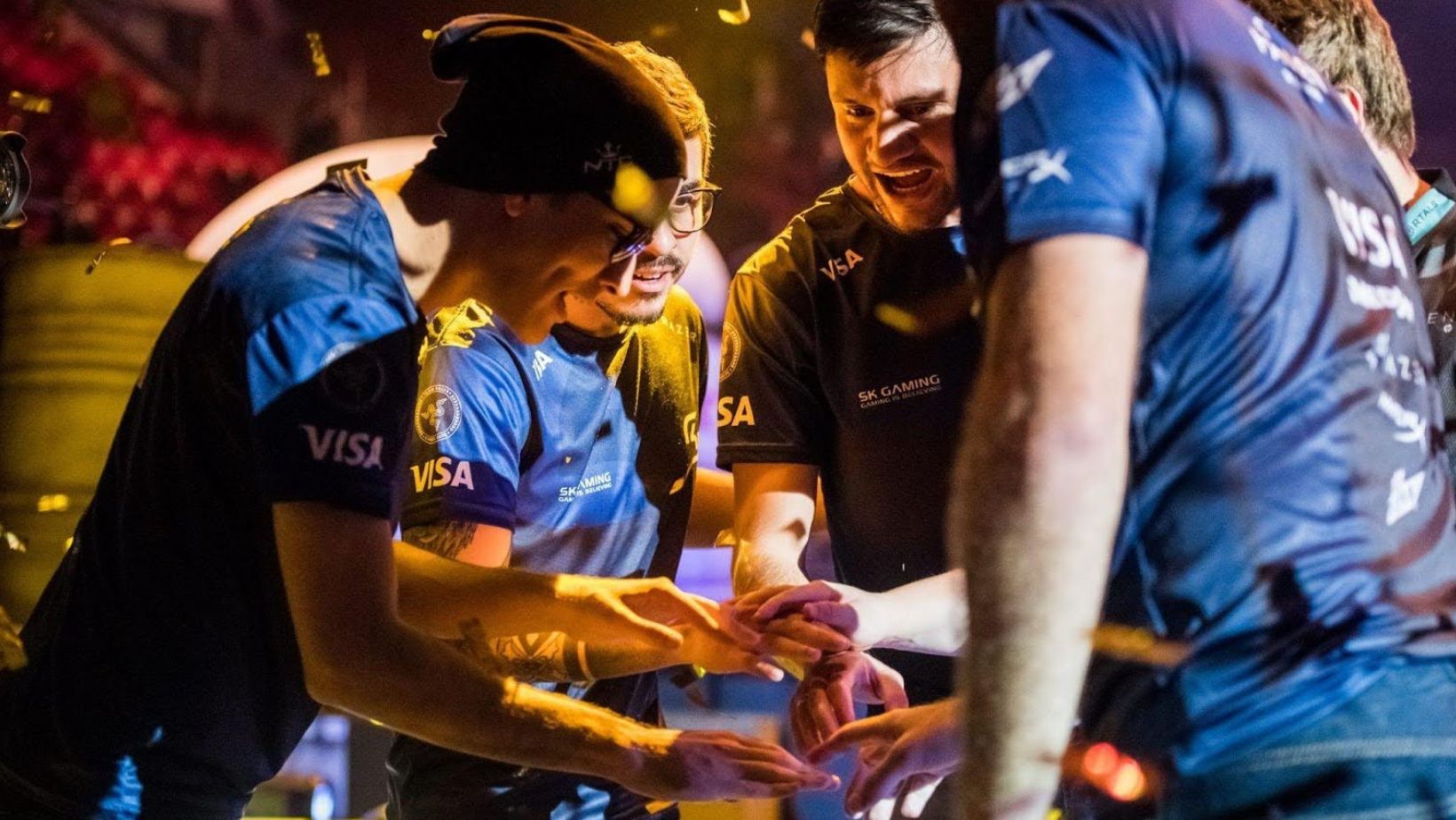
Competitive video games have evolved far beyond mere entertainment; they have become sophisticated tools for cognitive development, personal growth, and skill enhancement. Players are no longer just pressing buttons for fun—they are constantly exercising mental agility, honing focus, and adapting to dynamically changing scenarios. Scientific studies increasingly show that engaging in strategic, fast-paced games enhances the brain’s ability to process information, analyze complex situations, and make rapid, effective decisions under pressure. The intense environments of competitive gaming simulate real-life scenarios where one’s choices carry significant consequences, fostering skills that translate directly into professional settings, academic challenges, and personal life management. By observing how gamers handle stress, uncertainty, and competition, psychologists and educators alike are recognizing the profound cognitive benefits that go far beyond traditional educational methods.
The Role of Strategy and Adaptability
Strategic thinking and adaptability are at the heart of competitive video games. Every match presents unique challenges that require players to constantly evaluate new variables, anticipate opponents’ moves, and adjust tactics in real time. For instance, in team-based shooters like Counter-Strike 2, players may need to alter positioning strategies mid-round due to sudden enemy aggression or unexpected changes in the map environment. This type of adaptive thinking mirrors situations in everyday life where circumstances shift without warning—like an urgent work task, sudden change in a project’s scope, or a family emergency—requiring a swift recalibration of priorities. Gamers develop the ability to remain calm under pressure, analyze multiple options quickly, and predict outcomes with a high degree of accuracy. Over time, these experiences foster mental resilience and the capacity to approach challenges with a structured, strategic mindset rather than reacting impulsively, which is invaluable in both personal and professional contexts.
Learning from Team Dynamics and Rankings
The social dimension of competitive gaming is equally vital. Most high-level esports are team-based, requiring constant communication, coordination, and trust among teammates. Players must interpret the actions of others, make joint decisions rapidly, and balance personal initiative with collective objectives. In games like League of Legends or Valorant, the success of a team often hinges on understanding each member’s strengths, weaknesses, and decision-making styles, then harmonizing these into a cohesive plan. Systems such as cs2 rankings not only track skill progression but also reflect consistency, adaptability, and the ability to perform under pressure. These rankings motivate players to refine their strategic thinking, learn from past matches, and study opponents’ behavior to anticipate and counter strategies effectively. In real life, the lessons of teamwork—collaboration, accountability, and communication—directly improve professional performance, from managing projects to leading groups, emphasizing the direct applicability of esports experience to broader decision-making contexts.
Risk Assessment and Critical Thinking
Competitive gaming is inherently about assessing risk and making informed decisions. Players are constantly faced with choices that carry potential rewards or consequences, such as whether to engage aggressively, retreat strategically, or allocate resources differently. These scenarios cultivate a mindset of careful evaluation and foresight, akin to real-world decision-making situations like financial planning, career moves, or navigating complex social interactions. For example, deciding to invest in a risky in-game strategy parallels calculating risks in business decisions, where understanding probabilities and potential outcomes is crucial. Through repeated exposure to these situations, gamers develop heightened analytical skills, learning to anticipate the ripple effects of their choices and improve predictive judgment. Over time, this repeated practice in evaluating complex scenarios enhances critical thinking, decision-making speed, and confidence, making them more adept at handling unpredictable situations outside the game environment.
Reaction Speed and Cognitive Flexibility
Fast-paced competitive games demand rapid processing of information, swift reflexes, and the ability to multitask under pressure. Players monitor multiple streams of information simultaneously—such as enemy movements, teammate positions, and resource management—while making precise decisions within fractions of a second. This intense cognitive exercise strengthens the brain’s flexibility, enhancing the capacity to process diverse data sets and switch between tasks seamlessly.
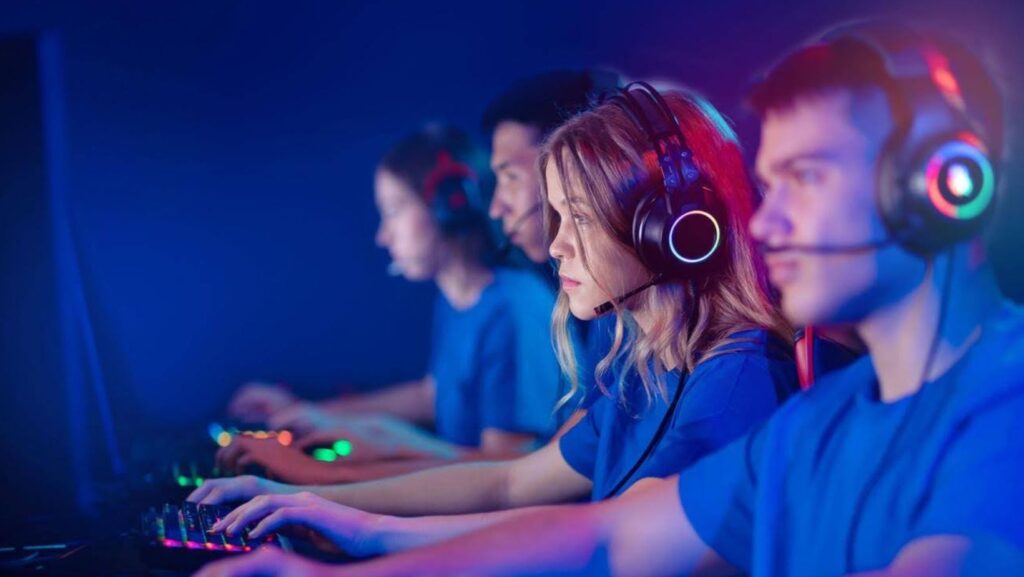
Neuroscience research indicates that professional gamers often develop heightened connectivity between brain regions responsible for executive function, attention, and spatial awareness. In practical terms, these enhanced cognitive abilities translate to better performance in high-pressure real-life situations, such as quickly adapting to unexpected challenges at work, responding effectively in emergency scenarios, or juggling multiple responsibilities without losing focus. Gamers also cultivate patience, composure, and strategic foresight, allowing them to respond rationally rather than react emotionally, which is a critical skill in both professional and personal decision-making.
Everyday Benefits Beyond Gaming
The skills developed through competitive gaming extend far beyond the virtual world and influence various aspects of everyday life. Time management, leadership, analytical thinking, and resilience are consistently reinforced through gameplay, fostering a mindset of continuous improvement and self-reflection. Players regularly review performance, analyze strategies, and refine techniques, building habits that mirror professional development practices. Gaming also encourages collaboration, mentorship, and networking within esports communities, providing social benefits and exposure to diverse perspectives. The dedication required to climb rankings, compete in tournaments, and achieve personal goals teaches discipline, patience, and goal-setting, skills that are directly transferable to career advancement, education, and personal projects. Employers increasingly recognize the cognitive and strategic benefits of gaming, appreciating candidates with experience in problem-solving, adaptability, and high-pressure decision-making. Ultimately, the lessons learned in competitive gaming foster holistic personal growth, combining mental agility, emotional intelligence, and social competence.
Conclusion
Competitive video games are far more than entertainment; they serve as powerful platforms for developing decision-making skills that carry into everyday life. Through strategy, adaptability, risk assessment, teamwork, and cognitive flexibility, players gain abilities that enhance both personal and professional performance. The challenges faced in digital competitions closely mirror those in real-world scenarios, teaching critical thinking, rapid analysis, composure under pressure, and effective collaboration. Understanding these parallels highlights the value of competitive gaming as a tool for mental and social development, equipping individuals with the skills necessary to navigate complex environments, make informed choices, and succeed in various aspects of life. By engaging thoughtfully with these games, players cultivate not only better gaming skills but also stronger, more adaptable minds capable of thriving in the modern world.