For generations, classrooms have looked the same: four walls, a chalkboard, a teacher with a lesson plan, and rows of students pretending to listen while doodling in the margins of their notebooks. Education was predictable. You woke up, went to school, followed a bell schedule, and went home. That predictability worked for some, but for many, it was a poor fit.
Then the world shifted. Overnight, schools went digital. Kitchen tables became math labs. Parents became teaching assistants whether they liked it or not. Students logged into video calls while juggling distractions that ranged from barking dogs to TikTok notifications. It was clumsy and exhausting. But beneath the chaos, something else emerged: a glimpse of what learning might look like when it is unchained from geography, rigid schedules, and outdated structures.
Online schooling alternatives are no longer a fringe experiment. They are now part of the broader conversation about what education could (and arguably should) become.
A System Built for the Industrial Age Is Colliding with the Digital One
The traditional education system was designed in the 19th century to produce efficient workers for factories and bureaucracies. Standardized schedules, rigid curriculums, and uniform benchmarks made sense when the goal was to train people for identical tasks. But in 2025, the economy does not reward sameness.
Today, creativity, adaptability, and problem-solving matter more than memorizing dates or formulas. Employers want independent thinkers who can collaborate across time zones, learn new skills on demand, and stay relevant in industries that change overnight. Online schooling alternatives fit naturally with this reality. They teach students how to learn on their own, adapt to different digital tools, and take ownership of their growth.
The Rise of Asynchronous Learning
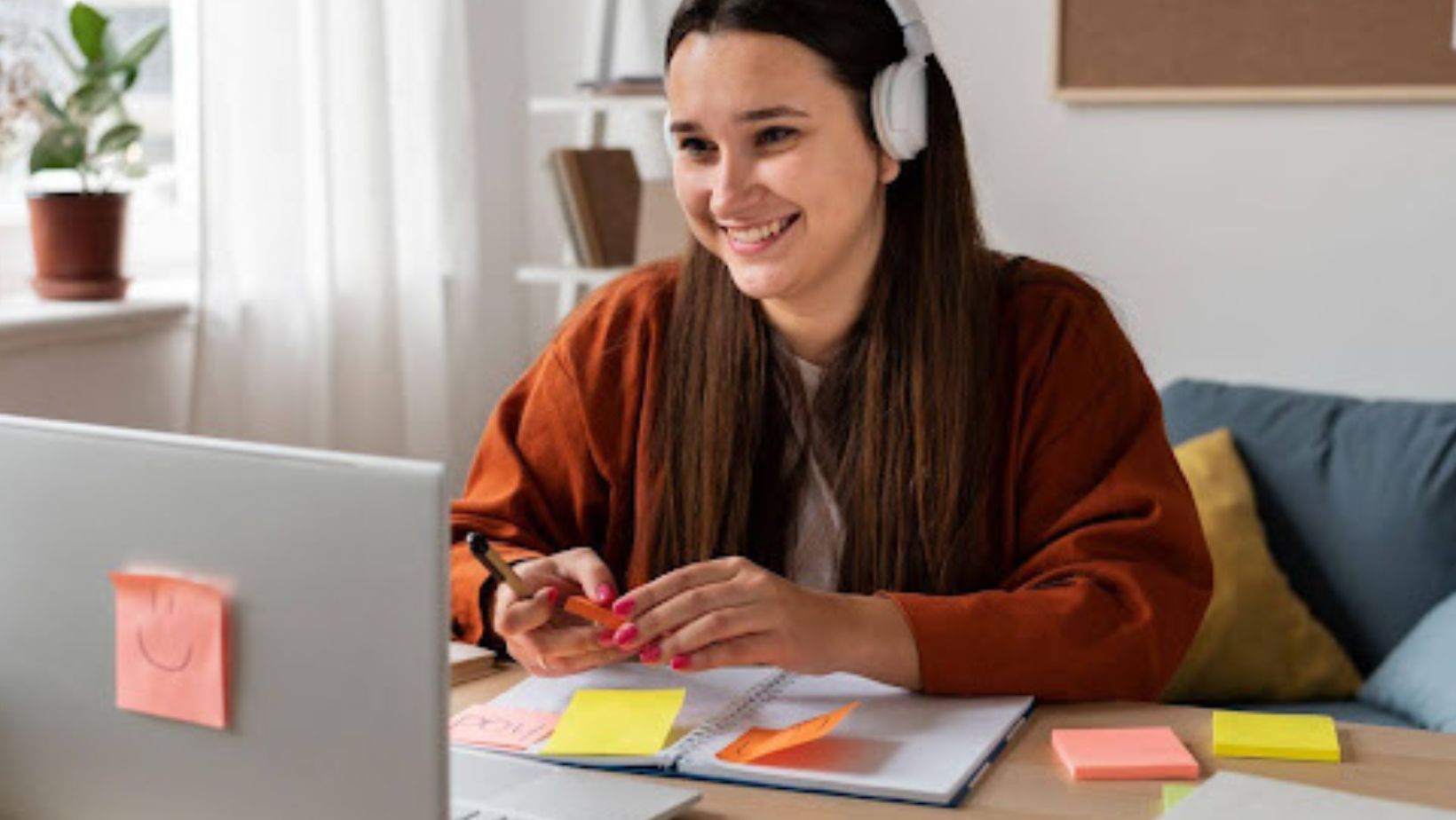
One of the most profound shifts in remote education has been the normalization of asynchronous learning. No longer is every student expected to absorb information at the same pace as the person sitting next to them. Instead, a student can pause a video, replay a lecture, or fast-track through a concept they already understand.
This kind of flexibility has ripple effects. Research published in Education and Information Technologies shows that self-paced learning increases retention because students can revisit material until it clicks. It also reduces anxiety, particularly for students who may feel left behind in a traditional classroom.
The takeaway is simple: when education adapts to the student rather than forcing the student to adapt to the system, the brain thrives.
When Geography Stops Being Destiny
For decades, a student’s future was tethered to their postal code. If you happened to live near an exceptional school, congratulations. If not, too bad. Online schooling alternatives are dismantling that reality.
A student in a rural community no longer has to settle for the courses offered at their nearest high school. They can log in and access a wider curriculum, including advanced sciences, arts programs, or international language courses that might not exist locally. Families who need flexibility (whether due to travel, health concerns, or unique career paths) can turn to an online schooling alternative to keep education consistent without uprooting their lives.
The future of learning is borderless. When the classroom is online, opportunity is no longer bound by geography. It is distributed, accessible, and global.
Cognitive Skills Over Memorization
If the traditional classroom was a test of conformity, the online model has been a test of cognitive flexibility. Without the immediate presence of a teacher or the social accountability of peers, students had to develop new mental muscles.
They learned to manage their own time. They discovered how to prioritize, plan, and stay focused in an environment full of distractions. They figured out how to ask for help in digital spaces, often having to articulate their confusion more clearly than they would in a face-to-face classroom.
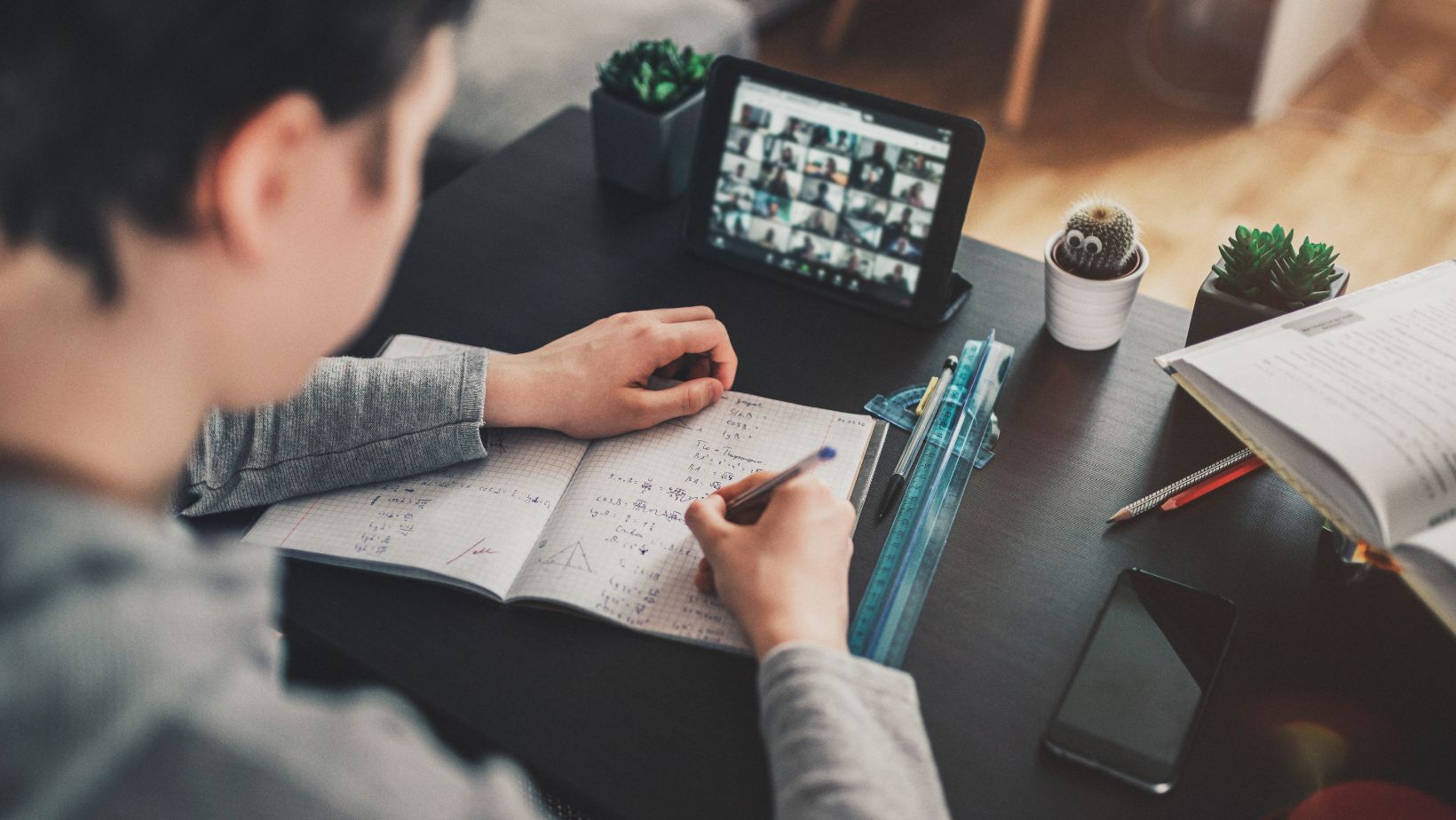
These skills (self-regulation, adaptability, metacognition) are not just academic. They are life skills. A study in Frontiers in Education highlights that students who practice self-regulated learning strategies in digital environments are more likely to succeed academically and professionally. In other words, remote learning is not just about absorbing knowledge, it is about rewiring how we think about learning itself.
The Social Trade-Off
It would be dishonest to suggest that online schooling is a perfect solution. Many students struggled with isolation. The classroom is more than a place to memorize facts, it is where young people learn social cues, conflict resolution, collaboration, and empathy. A world mediated entirely through screens risks flattening those experiences.
That is why the future of education is unlikely to be exclusively online. Instead, the path forward points toward hybrid models that blend the best of both: the flexibility and accessibility of digital learning paired with the relational and community benefits of face-to-face interaction.
The challenge will be designing these systems in a way that does not just reproduce old inequalities. High-speed internet access cannot remain a privilege. If we are serious about harnessing the potential of online education, then infrastructure and policy must catch up to the technology.
The Entrepreneurial Edge
Another overlooked outcome of remote learning is the entrepreneurial mindset it fosters. Without a teacher constantly dictating the pace, many students began experimenting with their own methods of learning. Some built study groups on Discord. Others sought out supplemental resources on YouTube or MOOCs to fill gaps. A few even launched small businesses or passion projects with the time they saved commuting.
This is the future of work in miniature. In an economy where freelancing, remote teams, and portfolio careers are increasingly common, the ability to self-direct is not just helpful. It is essential. Students who mastered online learning are entering adulthood already fluent in a skill set that used to take years of trial and error to acquire.
Rethinking Success in Education
Traditional schools tend to measure success in grades, test scores, and attendance. Online alternatives are forcing us to consider different markers. Did the student gain mastery of the material, regardless of how many hours it took? Did they learn how to set goals, manage their time, and evaluate their own progress? Did they develop curiosity and resilience?
These are not minor questions. They cut to the heart of what education is meant to achieve. If we care about preparing students for the complexity of modern life, then perhaps remote learning is not just an emergency solution. Perhaps it is a necessary recalibration.
The Future Is Already Here
The truth is that the future of education will not be neatly divided into “online” and “offline.” It will be hybrid. It will be flexible. It will be tailored not just to standardized outcomes, but to individual students navigating an unpredictable world.
We are already seeing schools, startups, and educators experimenting with models that blend technology with human connection. The early results are messy, yes. But they point toward a future where education is less about conformity and more about possibility.
The pandemic may have forced our hand, but the lessons it taught us about adaptability, access, and human potential are not going anywhere. The question is whether we have the courage to keep learning from them.