

With energy costs climbing and environmental concerns weighing on more homeowners’ minds, household energy consumption has become a pressing issue that affects both our wallets and our planet. The key to making a real difference lies in understanding how the appliances we use every day—from refrigerators and washing machines to something as simple as a hair dryer—quietly rack up charges on our monthly bills. Often, we don’t realize just how much these everyday essentials contribute to our home’s energy footprint until that statement arrives in the mail.
Understanding Appliance Energy Consumption
How Household Appliances Use Energy
Think of wattage as your appliance’s appetite for electricity—it tells you how much power a device consumes at any given moment. Over time, this consumption adds up to kilowatt-hours (kWh), which is exactly what you’ll see itemized on your electricity bill. Once you grasp these basic measurements, you’ll be equipped to make smarter choices about energy use and spot the real culprits behind those high monthly costs.
Here’s what typical household appliances consume:
– Refrigerator: 100-800 watts
– Microwave: 600-1,500 watts
– Hair dryer: 800-1,875 watts
– Washing machine: 350-500 watts
– Dishwasher: 1,800-2,300 watts
Armed with this knowledge, you can focus your energy-saving efforts where they’ll have the biggest impact.
Factors Affecting Energy Use
While it’s obvious that using appliances more frequently and for longer periods increases energy consumption, several less apparent factors also play crucial roles. Take that hair dryer you use daily for 20 minutes versus using it just twice a week for five minutes—the difference in energy consumption is dramatic. But there’s more to consider than just usage patterns.
The age and efficiency rating of your appliances matter enormously. Older models often guzzle power to accomplish what newer, more efficient units can do with significantly less energy. Meanwhile, the settings you choose can make or break your conservation efforts. Opting for lower heat on styling tools, washing clothes in cold water, or fine-tuning your refrigerator’s temperature can slash power consumption without sacrificing results.
Key Takeaway: Simple tweaks to how and when you use appliances can cut energy consumption by 10-25% without spending a dime on replacements.
Practical Strategies to Reduce Energy Consumption
Smart Usage Habits
Building energy-conscious habits doesn’t require a complete lifestyle overhaul—just some thoughtful adjustments that quickly become second nature. One of the easiest wins? Unplug devices when they’re not in use. You might be surprised to learn that many appliances are energy vampires, quietly sipping electricity even when they appear to be off. Coffee makers, televisions, and charging stations are notorious for this “phantom power” consumption.
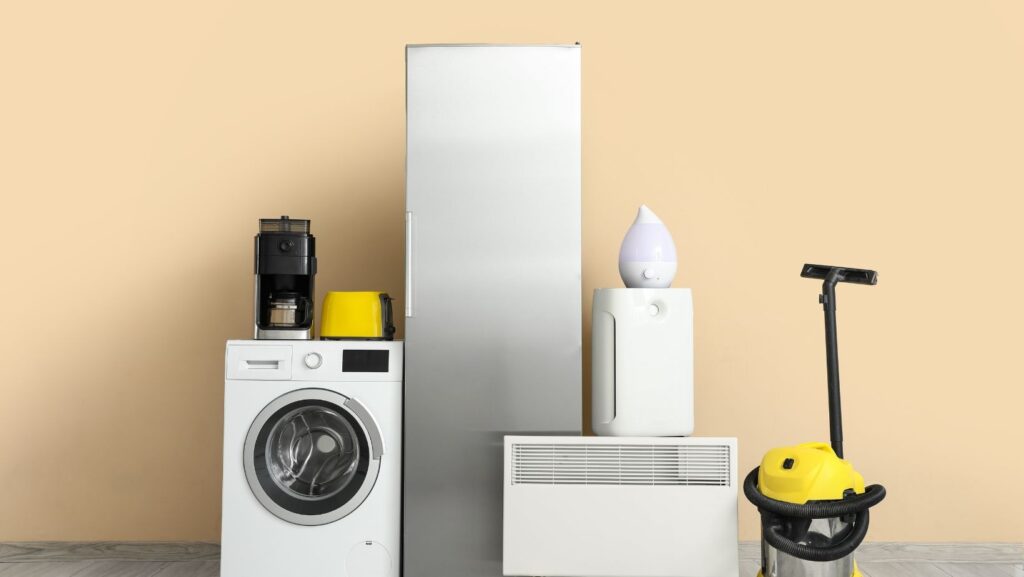
Another smart move is timing your energy use strategically. Since many utility companies offer reduced rates during off-peak hours—usually late evenings or early mornings—you can save money by running your dishwasher, washing machine, and dryer during these cheaper periods.
Choosing Energy-Efficient Appliances
When it’s time to replace an appliance, investing in energy-efficient models with ENERGY STAR ratings or similar certifications pays dividends over time. These modern marvels incorporate cutting-edge technologies like intelligent temperature control, variable speed motors, and superior insulation to deliver better performance while using less electricity.
Keep an eye out for features such as:
– Programmable settings and timers
– Automatic shut-off capabilities
– Variable power levels
– Enhanced insulation and sealing
Yes, energy-efficient appliances typically cost more upfront, but the savings on your utility bills usually recoup that initial investment within two to five years—and often sooner.
Maintenance and Upkeep
Don’t underestimate the power of proper maintenance. Keeping your appliances in top shape ensures they run efficiently throughout their entire lifespan. Simple maintenance tasks—cleaning dryer lint filters, defrosting freezers, replacing worn door seals—prevent unnecessary energy waste. A well-maintained appliance doesn’t just consume less power; it also lasts longer, giving you better value for your investment.
Here’s a compelling real-world example: One household slashed their monthly energy bill by $45 through three simple changes—cleaning their refrigerator coils, adjusting thermostat settings, and switching to cold-water laundry cycles. The best part? These changes didn’t cost them anything beyond a little time and effort.
Measuring and Monitoring Your Energy Use
Tools and Techniques
Energy monitoring turns mysterious consumption patterns into clear, actionable information. Plug-in energy monitors, which cost less than $30, can measure exactly how much electricity individual appliances use and calculate the associated costs. For a more comprehensive view, smart home systems track your entire household’s consumption patterns, revealing peak usage times and identifying your biggest energy hogs.
Make it a habit to review your energy usage monthly. This regular check-in helps you track your progress and discover new opportunities for improvement. Many utility companies now provide detailed online usage breakdowns that show seasonal variations and help you see the real impact of your conservation efforts.
Conclusion
Cutting household energy consumption isn’t about making drastic sacrifices—it’s about combining smart habits, informed purchasing decisions, and consistent monitoring to achieve meaningful results. By understanding how your appliances consume energy and putting practical strategies into action, you can enjoy substantial cost savings while doing your part for the environment. Start with simple adjustments like changing settings and unplugging unused devices, then gradually embrace more comprehensive energy-conscious practices. These small steps add up to significant improvements in both your monthly bills and your home’s environmental impact.