

You’re meeting deadlines, rushing back and forth to meetings, and attempting to give equal attention to each project—ring any bells?
Managing multiple projects is like juggling plates on a balance beam. It’s easy to get sidetracked from what matters, lose focus, or experience burnout.
But what if you could simplify your workflow, get organized, and feel in command instead?
In this article, you’ll find real-world solutions for keeping your projects in check without losing your mind. Whether you’re an entrepreneur, freelancer, or team leader, you’ll learn to get priorities straight, eliminate distractions, and stay laser-focused.
1. Use a Project Management Platform
For managing multiple projects, you need to begin by investing in quality project management software. Such software is your operations center for delegating tasks, assigning deadlines, and monitoring progress.
Rather than having to juggle multiple spreadsheets, sticky notes, or disorganized email threads, you’ll have everything in one place. That makes it simpler to toggle between projects without missing important details or context.
By creating separate boards, lists, or workspaces for every project, you ensure organization and tidiness. You can assign tasks, prioritize them, and include related files so that nothing is forgotten.
Most sites also provide timeline views or calendars, which allow you to see overlaps or deadlines outstanding on all your projects. Additionally, most of these apps offer integration with communication software, allowing for automatic reminders and minimizing the need for manual follow-up.
With notifications, you stay on track, and team collaboration features keep team members informed about their responsibilities. Lastly, a project management tool has you in control and at ease.
You’ll be doing less chasing around and more real progress on every project. It’s an easy, yet extremely effective way to stay afloat when things are hectic.
2. Prioritize and Time-Block Your Tasks

When you have multiple projects to juggle, priority is your friend, and time-blocking is how you make it happen. Begin by determining what needs to be done first, and most importantly, what needs to be done urgently.
All doesn’t have to be done at once, so prioritize your work based on deadline, dependencies, and impact. This allows you to concentrate your efforts where they will be of most use.
After establishing your most important priorities, apply time-blocking to schedule your day. Rather than leaving a broad list of projects and activities, block out specific time slots on your calendar for each activity or project.
For instance, you may assign 9–11 a.m. to Project A, take some time off, and then use 1–3 p.m. to work on Project B. Doing this keeps your mind focused on one thing at a time and prevents mental fatigue, making you more productive.
Be realistic in your time blocks—do not overbook or skip breaks. Give buffer room to address unforeseen problems or rapid check-ins, reminders, and stay on track using a digital calendar or time-blocking software.
Prioritizing and time-blocking will free you from the pitfall of multitasking and allow you to concentrate on what truly gets your projects underway. It’s a simple habit that makes your work less daunting, making you in charge.
3. Set Clear Goals and Milestones for Each Project
To remain focused while working on multiple projects simultaneously, you need to set precise goals and milestones for each one. Without a clear sense of direction, it is easy to get sidetracked or waste time on issues that do not advance the project.
Begin by listing the ultimate goal of every project and then dividing it into smaller steps or phases that are measurable. After you have created your goals, develop milestones as checkpoints.
Milestones keep you motivated and provide momentum, as they make you aware that you are progressing day by day and inching closer to the finish line. Utilize your project management software to chart these milestones, assign tasks, and set timelines.
When you know what to do and when, you don’t suffer from decision fatigue and remain in the flow on what you need to work on. Having clear goals and milestones not only keeps you in a productive state but also provides you with a sense of achievement as you complete each step along the way.
It’s how you break huge projects into bite-sized, actionable plans.
4. Communicate Effectively with Stakeholders
When you’re managing multiple projects, clear and consistent communication is critical. Each project likely involves different teams, clients, or collaborators, and keeping everyone aligned can easily become a challenge.
To stay focused and avoid unnecessary back-and-forth, it is essential to establish strong communication habits from the outset. Begin by identifying the key stakeholders for each project and clarifying their expectations.
Set up regular check-ins, whether that’s weekly status meetings, email updates, or quick progress reports. This helps you stay proactive and ensures that everyone stays informed about timelines, changes, and any potential roadblocks.
Be concise yet thorough in your updates—share what has been completed, what is coming next, and where you may need input or support. Avoid overloading people with information, but don’t assume they know what’s happening unless you tell them.
Utilizing communication tools or the built-in messaging features in your project management platform can streamline this process. Effective communication reduces confusion, builds trust, and saves you from last-minute surprises or scope creep.
When you communicate clearly and consistently, you keep projects moving forward—and you keep your focus exactly where it needs to be.
5. Schedule Weekly Reviews
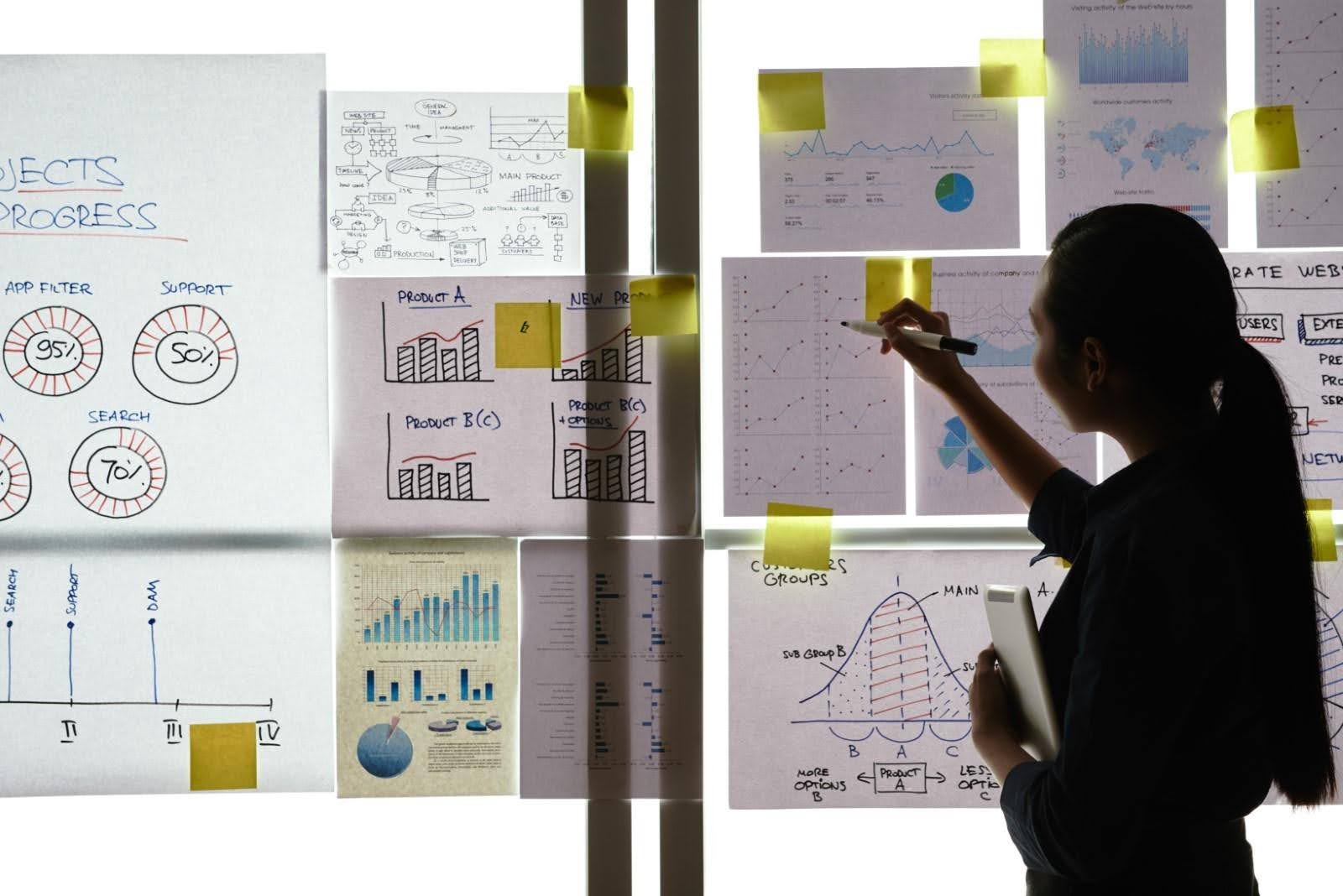
To stay focused while managing multiple projects, you should make weekly reviews a non-negotiable part of your routine. This simple habit helps you stay organized, catch potential issues early, and adjust your priorities before things spiral out of control.
Set aside a specific time each week, such as Friday afternoon or Monday morning, for this review. During your weekly review, look at each project and assess your progress. Review your task lists, upcoming milestones, and team updates.
This process gives you a clear overview of where things stand and what needs your attention next. Use this time to re-prioritize if needed. Projects shift, new tasks come up, and timelines change.
A weekly review helps you stay flexible without losing focus. You can also update your calendar, adjust time blocks, and communicate any changes to your team or clients.
By making weekly reviews a habit, you prevent small problems from becoming big ones and maintain better control over your schedule. It’s a chance to reset, refocus, and ensure you’re always working on the right things across all your projects.
Wrapping Up
Managing multiple projects doesn’t have to leave you feeling scattered or overwhelmed.
With the right tools and habits—like using a project management platform, time-blocking your tasks, setting clear goals, maintaining strong communication, and reviewing your progress weekly—you can stay focused and in control.
You don’t need to work longer hours to get more done; you just need to work smarter. Each of these strategies builds structure into your workflow and gives you the clarity to move forward with confidence.
Start applying them today, and you’ll find it much easier to juggle multiple priorities without losing your focus or momentum.