
The old idea of productivity focused on doing more tasks in less time. But for many creative professionals today, real progress means doing better work — with less noise, fewer interruptions, and more purpose. Across design, tech, and digital content industries, a new goal has grown: flow — a state where attention, creativity, and energy move without distraction.
Intelligent systems now are being built not only to organize tasks but also to support the deeper human state where ideas come more naturally. This article looks at how technology, design, and automation are reshaping creative productivity by building tools and environments that help people stay in flow.
The Science of Flow in the Digital Era
Flow is a mental state that feels focused, but not tiring. Psychologist Mihaly Csikszentmihalyi described it as a condition where people are so engaged in one activity that time seems to disappear. In creative work, flow appears when challenge and skill are balanced — when designers, writers, and developers are not bored but also not overwhelmed.
However, in the modern digital world, staying in flow has become harder than before.
Constant Distraction
Notifications, emails, meetings, and endless tabs pull attention in many directions. Some professionals spend more time jumping between apps than doing real work. This constant switching cuts deep focus and lowers creative quality.
More teams are starting to realize: deep focus is not only about self-discipline — it’s also about building an environment that helps it happen. The most productive people don’t just “try harder,” they build systems that make focus easier.
The Need for Structure
Designers and developers today focus on building simple, clear work systems — not just working faster. The goal is not to do more things in a short time, but to do important work with fewer breaks. In this sense, productivity becomes more about managing attention than managing time.
The Problem of Digital Fragmentation
The explosion of digital tools was supposed to help — but for many, it did the opposite. From project management apps to chat software, each new tool promises more productivity, but often just adds more confusion.
Too Many Tools, Too Little Focus
Creative professionals often juggle many platforms at once:
- For communication
- For content making
- For file storage
- For analysis
Each tool works alone — but switching between them breaks thought flow. This “context switching” drains energy. Every time you change dashboards, the brain needs to re-focus. Over a day, this mental effort adds up, and flow is lost.
The Hidden Cost of Tool Overload
Too many tools not only slow down teams — they also exhaust the brain. When attention is scattered, creativity becomes harder to reach.
That’s why many creators now look for simpler setups. More teams are discovering the value of intelligent systems that reduce tool overload. Instead of managing 10 platforms, people want smart systems that bring everything into one clean workspace.
Designing Systems That Think for You
Modern tools today act more like quiet assistants than noisy platforms. Intelligent systems now aim to lower friction, predict needs, and take away repeat work.
The Role of Automation and Smart Interfaces
Automation can handle routine tasks and low-value actions. Smart interfaces learn the user’s habits and show only what’s needed, at the right time. AI features can sort data, schedule tasks, and remove the need for constant manual updates.
These designs don’t just save time — they also protect mental energy, giving space for real creativity to grow. The less effort spent managing tools, the more energy can go into actual ideas.
OnlyMonster.ai — Built for Digital Flow
A strong example of this intelligent design is OnlyMonster.ai (https://onlymonster.ai/agency). It is a CRM and browser tool made especially for digital creators and fan-focused businesses that supports fan audience management, advanced analytics and AI-enabled automation – all inside one integrated system.
Instead of moving between five or six apps, you can build structured workflows in one space. With automation and intuitive design, digital professionals keep their flow state — without losing time or energy to tool switching.
The Future of Design Thinking
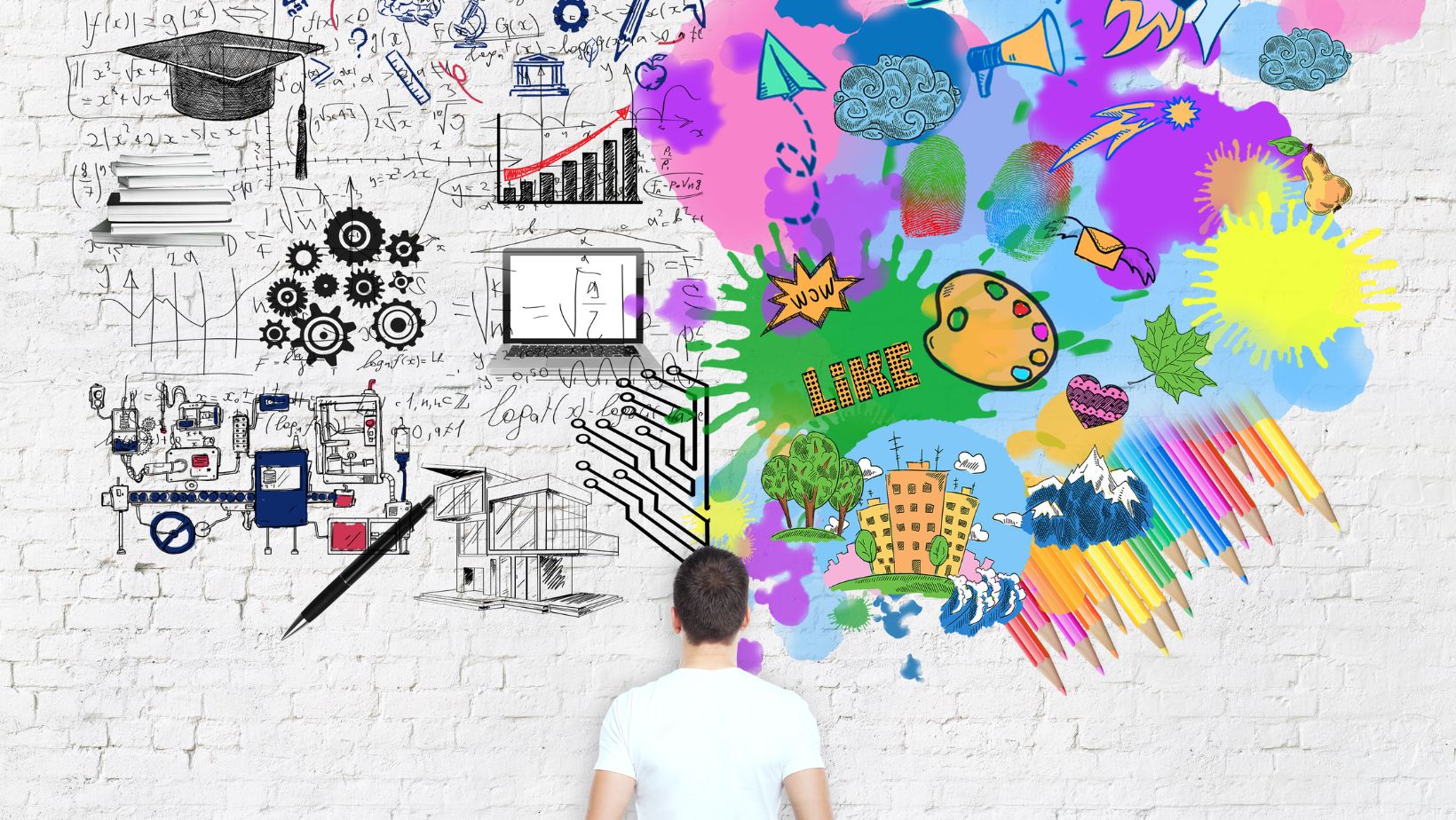
This approach — where tools adjust to you instead of interrupting — is what defines the next stage of productivity software.
Instead of adding more dashboards, designers now aim to build systems that are simple, predictive, and flexible to human behavior. These tools are not made to replace creativity — they are made to support it quietly and gently.
When Structure Becomes a Creative Catalyst
Some still believe that structure kills creativity. But really, structure helps support it. You can think of it like a frame that holds creative energy in place. Without it, ideas scatter and disappear.
Systems Thinking in Creative Work
Design studios, agencies, and startups are now using “systems thinking” to bring order to their creative process. Instead of guessing every day, teams use frameworks and automation tools to stay consistent. With these systems in place, creatives can spend less time organizing — and more time doing meaningful work.
Consistency Brings Freedom
When parts of the work — like file management, publishing, and scheduling — are automated, people can give more attention to things that matter: concept design, storytelling, visuals.
This shift proves something big: structure is not a limit on creativity. It’s what gives creators the freedom to think deeply, without being pulled away by small details.
Building Environments That Nurture Flow
Flow is not an accident. It can be built — by individuals or by teams — with thoughtful design of tools, space, and habits.
Simple Steps to Foster Deep Work
Here are a few real ways to design your day or workspace for better focus:
- Clean digital space — Close extra tabs and turn off extra notifications. Keep only tools that support the task.
- Automate low-value work — Use smart systems to handle scheduling, reminders, and status updates.
- Separate deep and reactive work — Block time for creative tasks and schedule calls or emails outside that window.
- Follow energy cycles — Do your hardest thinking when your brain feels brightest, not just when the calendar is free.
Each of these habits reduces friction. Less friction means more time spent inside the flow state — where good work happens.
Designing Around Human Attention
The future of productivity comes from understanding how human attention really works. Instead of forcing people to match tools, smart tools are starting to match people.
When systems respect focus and reduce mental noise, creativity comes easier. Flow becomes a daily thing — not rare. This is not pressure — it is peace of mind turned into innovation.
Conclusion
The future of creative work isn’t about doing more. It’s about working inside smarter systems that protect our ability to think. Intelligent systems today are more than just about speed — they help build digital environments where ideas can breathe.
The next big step in productivity won’t come from adding more apps. It will come from building quieter, smarter systems that remove distraction and nurture creativity.
As dedicated tools show, the best kind of tech disappears into the background — so people can focus on what they do best: creating.