

In today’s highly competitive landscape of professional sports, one of the key things for teams aiming for success is understanding how to leverage data analytics. Everyone from the coaches and players to the dieticians and management increasingly relies on data-driven insights to optimize performance, manage player health, enhance fan engagement, and so much more
As we edge deeper into 2026, several key trends in sports analytics are poised to redefine how teams operate both on and off the field, which is what we will be taking a closer look at right here.
The rise of predictive analytics
As sports teams continue to embrace advanced technologies, predictive analytics has emerged as an essential tool. This method utilizes historical data and sophisticated algorithms to forecast future outcomes, which enables teams to make informed decisions.
Insightful predictions typically include:
- Player performance forecasts
- Injury risks
- Game strategy adjustments
Also, predictive analytics is making waves beyond traditional sports contexts. For example, online sports betting enthusiasts have become increasingly interested in platforms that incorporate data-driven insights.
Tools like the Prediction Markets API help bettors understand potential outcomes through vast datasets, improving betting strategies significantly.
By the end of 2026, we can expect predictive analytics to become even more sophisticated, incorporating real-time data and machine learning models. Teams will be able to assess not only their performance but also the intricate dynamics of their opponents, which creates a more strategic approach to each game.
Enhanced wearable technology
Wearable technology is another game-changer for sports analytics. Devices that monitor biometric data, such as heart rate, sleep patterns, and muscle strain, are becoming commonplace for athletes.
Trainers and coaches can customize training regimens, reduce injury rates, and even identify when players need rest just by collecting this data.
The next wave in wearable tech will likely feature enhanced sensors and connectivity capabilities, allowing for real-time data transmission to coaches on the sidelines. This will enable immediate feedback for athletes during training and games.
Additionally, the integration of artificial intelligence with wearable devices will provide deeper insights, helping medical teams predict and manage player health more effectively.
As wearable technology continues to evolve, teams that prioritize player wellness through smart analytics will set themselves apart in the increasingly competitive sports industry.
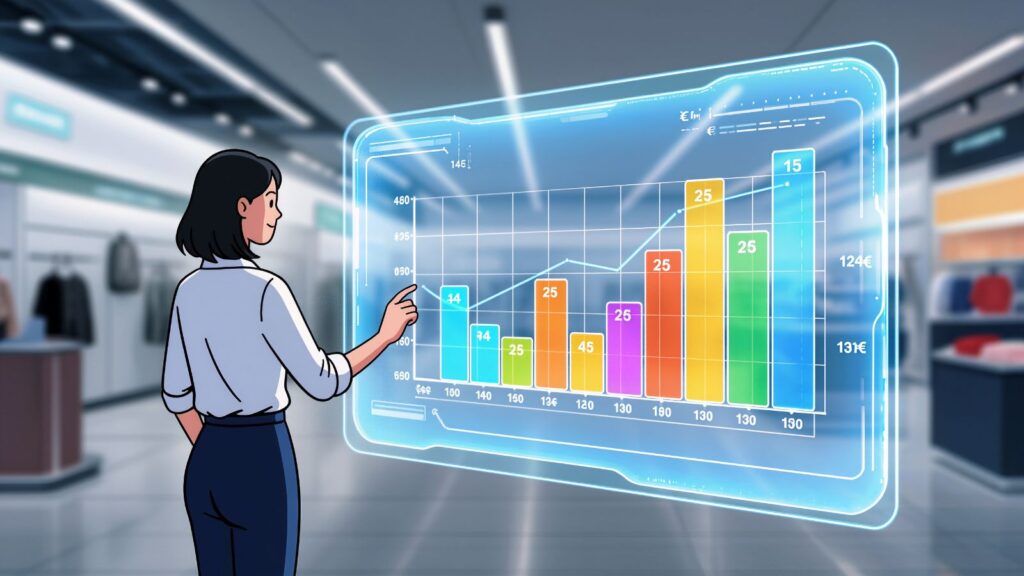
Fan engagement through data analytics
The way teams engage with their fanbases is changing dramatically, thanks to data analytics. Teams are utilizing fan data to create personalized experiences, from targeted marketing campaigns to tailored content delivery via apps and social media channels.
Teams can enhance loyalty and boost revenue through merchandise and ticket sales simply by analyzing fan preferences and engagement levels.
Over the coming years, we can also expect augmented reality (AR) and virtual reality (VR) technologies to play a significant role in fan engagement strategies. Data analytics will drive these experiences, providing teams with insights into what their audience wants and how they interact with content.
For example, virtual reality (VR) game simulations may become a staple for fans who cannot attend games in person, which allows them to experience action from home.
Final thoughts
The landscape of sports analytics is growing increasingly complex, with powerful tools and technologies shaping how teams strategize, prepare, and engage with fans. From predictive analytics enhancing team performance to wearable devices improving player health, the trends emerging today will set the stage for an exciting 2026.
As we witness the merging of technology and sports, staying informed about these advancements will be crucial for fans, teams, and individuals interested in the future of athletic performance and engagement. The digital age is here, and the journey has just begun.