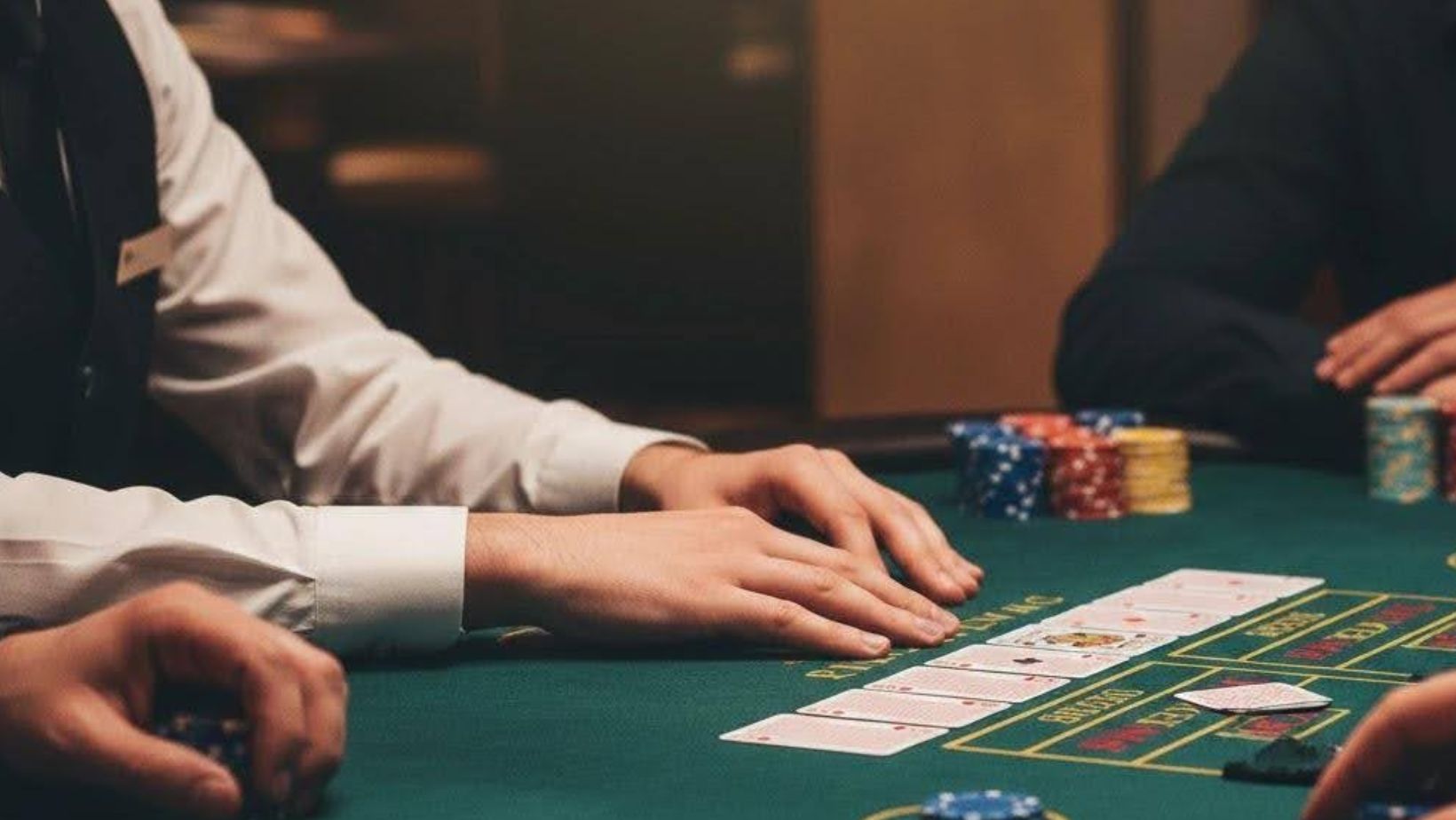
Croupier Eduard Lebedev has spent over 8 years in the gaming industry. His observation cuts through the noise: restraint isn’t something you pick up from books or motivational speeches. It crystallizes through repetition, structure, and environmental pressure. The gaming floor tolerates no improvisation. It demands composure, precision, and unwavering consistency — qualities that emerge only through lived experience, not good intentions.
Emotional Regulation Is Not Taught — It Is Practiced
Knowing what composure is differs entirely from applying it under pressure. Skills develop when actions repeat within structured conditions. A workplace that enforces standards becomes a training ground: protocols leave no room for emotional deviation.

Each session reinforces the same patterns — a neutral tone, measured movements, sustained focus — until they become automatic. Professional insight suggests that self-control, as a psychological skill, is strengthened not by theory alone but by consistent exposure to regulated environments.
What an Ongoing Play Demands Every Minute
Attention must remain steady across hours. One lapse can disrupt the flow or create complications. The tempo stays constant regardless of external factors. An expert in Cyprus once encountered a situation in which a participant became verbally aggressive after a series of unfavorable outcomes. The protocol was clear: maintain rhythm, avoid engagement, signal floor management if needed. The shift continued without deviation.
Why Routine Creates Discipline Faster Than Intention
Procedures eliminate the need for constant decision-making by enforcing a set sequence. Predictability reduces mental load, keeping behavior aligned with protocol. Croupiers do not choose whether to shuffle in a specific way or speak in a particular tone — these are predetermined. With repetition, the routine becomes second nature.
When Emotion Is Present But Never Expressed
Feelings do not disappear during a shift. Irritation, boredom, or amusement may arise internally. The difference lies in expression. Professional distance means recognizing an emotion without allowing it to influence behavior. This separation is a learned skill, strengthened through daily practice. Research on self-regulation confirms that repeatedly suppressing visible reactions builds capacity over time.
The Table as a System That Trains Restraint
How the Environment Enforces Calm
Regulations govern every aspect of the work. This rigid framework does not suppress individuality — it shapes consistency. The environment itself acts as a corrective mechanism. When the rules are clear and consequences immediate, adjustment happens naturally. Here, the highest virtue is neutrality and unwavering adherence.
A Moment That Shows What Discipline Looks Like
During a busy evening rush in Cyprus, a technical issue froze the system mid-game. Players grew impatient. The response was to pause, signal for technical support, and maintain silence rather than speculate. The wait lasted several minutes. When systems resumed, the game continued as if no interruption had occurred.
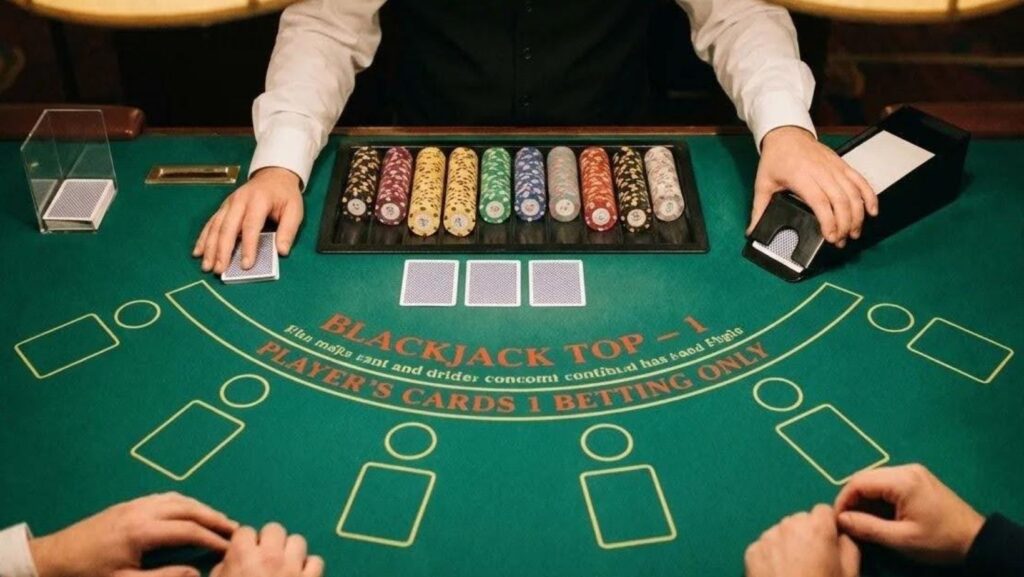
The discipline showed up in what the dealer did not do — no comments, no speculation, just the protocol.
Discipline vs. Everyday Self-Control
Table. Aspect of Control: A Dual Perspective
| Aspect | Professional | General |
| Trigger | External, systemic: protocols, surveillance, immediate consequences for errors. | Internal, situational: personal goals, social norms, delayed consequences. |
| Practice | High-frequency, mandatory, performed under observation and time pressure. | Sporadic, voluntary, and often exercised in private or low-stakes settings. |
| Feedback | Immediate and concrete: procedural error, supervisor correction, regulatory issue. | Often delayed and abstract: long-term health, financial outcome, and relationship impact. |
| Goal | Consistency, accuracy, and neutrality to maintain game integrity. | Personal improvement, habit formation, or achieving specific life objectives. |
Why This Skill Stays with Dealers Outside the Casino
Responses formed through sustained conditioning do not disappear when the shift ends. A person trained to suppress reactive impulses, maintain focus in the face of distractions, and follow structured procedures carries these abilities into other contexts. Former dealers often demonstrate unusual composure in stressful situations unrelated to gaming. The reason is straightforward: the brain adapts to repeated actions.
Conclusion
The experience of Eduard Lebedev in Cyprus confirms a straightforward principle: restraint forms through execution. The table offers an unusual training environment — structured, demanding, and intolerant of inconsistency. Croupiers develop composure not because they consciously choose it, but because the role offers no alternative. For further context on how modern systems reinforce such environments, see the article on technology and security in offline casinos.