
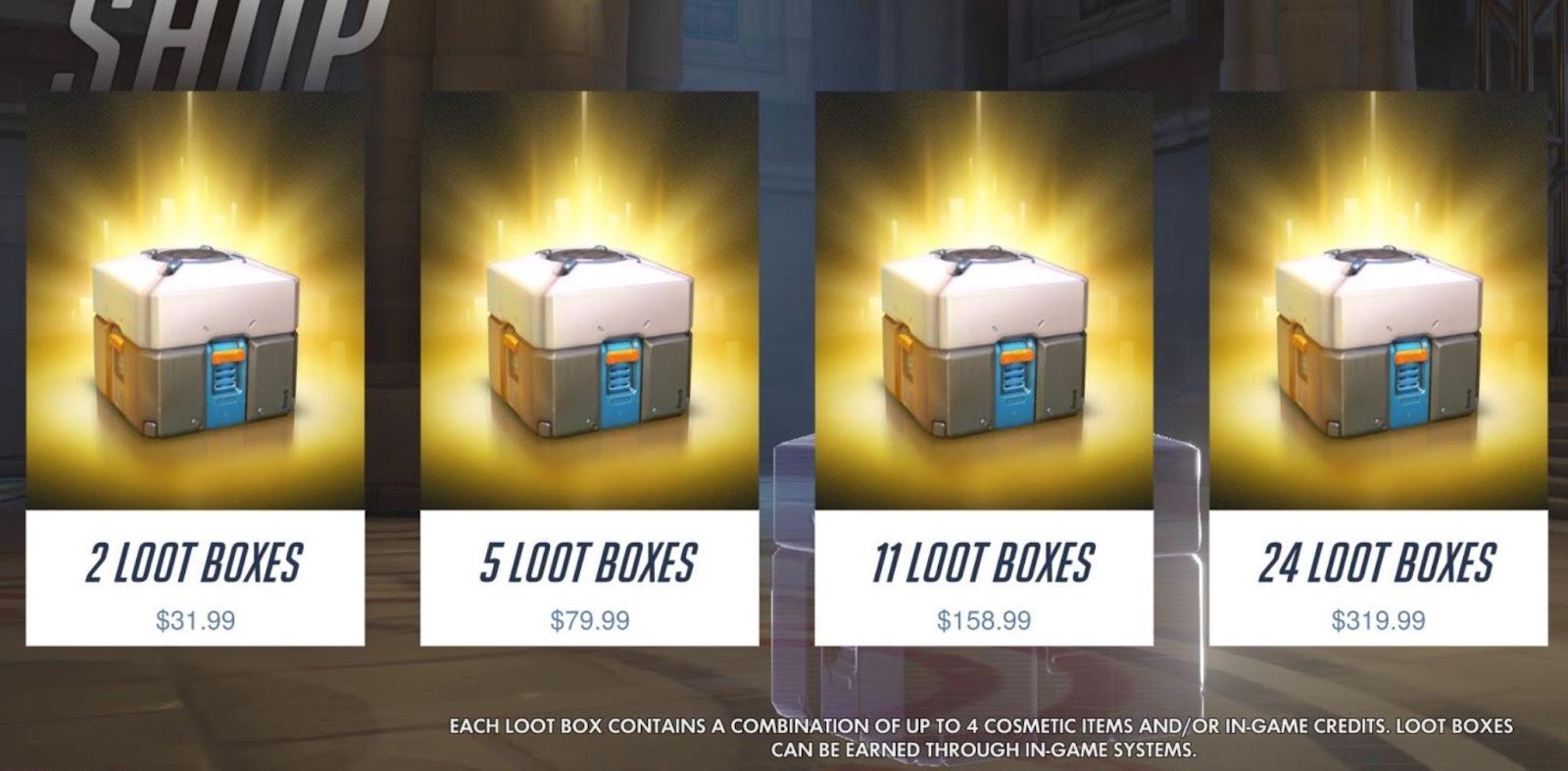
Loot boxes have become one of the most discussed and debated features in modern video games, with both players and regulators paying increasing attention to their effects. These virtual containers, which provide randomized rewards ranging from cosmetic items to powerful upgrades, combine elements of chance, anticipation, and reward in ways that closely mimic gambling. Unlike traditional game mechanics, loot boxes are specifically designed to manipulate reward pathways in the human brain, creating excitement, engagement, and sometimes compulsive behavior. The psychological impact of loot boxes is significant, affecting decision-making, risk perception, and emotional regulation. For game developers, they represent a lucrative monetization strategy, but for players, particularly younger audiences, they can introduce behavioral risks that resemble gambling addiction. Understanding the cognitive, social, and emotional factors behind loot box engagement is essential for both the gaming industry and the wider public, especially as competitive games like CS2 increasingly integrate these mechanics into their core gameplay and community economies.
How Loot Boxes Mimic Gambling
The mechanisms behind loot boxes are strikingly similar to traditional gambling due to the use of variable ratio reinforcement schedules, a behavioral principle well-studied in psychology. Players open loot boxes without knowing the outcome, which generates suspense and excitement. This unpredictability stimulates the brain’s reward system, releasing dopamine when desirable items are acquired—or even when a near miss occurs. This intermittent reward schedule, similar to slot machines in casinos, has been shown to increase engagement and promote repeated behavior. Researchers have observed that even repeated low-value rewards can maintain player interest due to the anticipation of obtaining a rare or high-value item in the future. In addition, visual and auditory cues, such as flashing animations, celebratory sounds, and elaborate unboxing effects, are deliberately designed to amplify excitement and reinforce the psychological experience. By integrating these elements, loot boxes exploit human tendencies toward risk-seeking, reward anticipation, and pattern recognition. Over time, this can encourage habitual engagement, leading players to spend more money and time than initially intended.
Further studies highlight that near-miss events, where players almost receive a high-value item, increase the likelihood of continued engagement. The brain interprets these near-misses as motivation to try again, despite rational understanding that chances remain low. These subtle cognitive manipulations make loot boxes not just a source of fun but a psychologically compelling tool, raising ethical and behavioral questions about their implementation in games targeting broad audiences.
Loot Boxes In Competitive Games: A Closer Look At Cs2
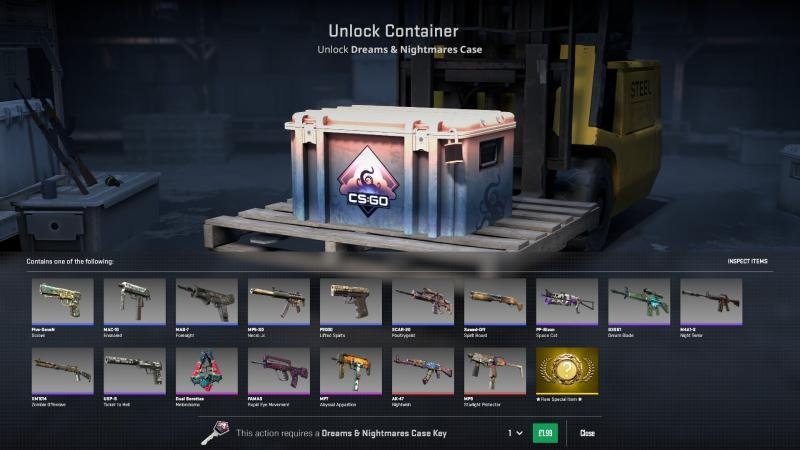
Competitive titles such as CS2 have leveraged loot boxes not only as a monetization tool but as a core feature that enhances the game’s social and economic ecosystem. In CS2, loot boxes often contain cosmetic items, including rare weapon skins, special sprays, or limited-edition player avatars. These items can significantly influence a player’s status within the community and can even have monetary value in secondary markets. Players motivated by status, collection completion, or trading potential are more likely to repeatedly engage with loot box systems, often investing substantial sums over time.
For those seeking detailed information about loot box systems, drop rates, rarity tiers, and trading mechanics, the CS2 wiki provides a comprehensive resource. This platform highlights how game economies are intertwined with player behavior, revealing patterns of motivation and engagement. Beyond the direct financial incentives, loot boxes in competitive games promote social interaction, as players discuss rare acquisitions, compare collections, and participate in community trading networks. The combination of aesthetic appeal, social signaling, and economic potential makes loot boxes a central element of the competitive CS2 experience, blending the thrill of chance with the strategic and social dimensions of multiplayer gaming.
The Impact On Gambling Behavior
The integration of loot boxes into video games has been linked to measurable impacts on gambling-related behavior, particularly among adolescents and young adults. Cognitive psychologists note that early exposure to randomized reward systems can normalize gambling-like behavior, increasing the likelihood of engaging in real-money gambling later in life. This effect is compounded by the ongoing development of the prefrontal cortex, the area responsible for impulse control, planning, and risk assessment. Young players may struggle to regulate spending and evaluate probabilities rationally, making them particularly susceptible to repetitive engagement with loot boxes.
Moreover, loot boxes tap into cognitive biases observed in gambling, such as the gambler’s fallacy—the mistaken belief that past outcomes influence future chances—and loss-chasing, where players continue spending to recoup perceived “missed” opportunities. These behaviors mirror the mechanisms that drive slot machine or roulette players in casinos. Social factors further exacerbate the effect: witnessing friends or popular streamers obtain rare items generates social comparison and fear of missing out (FOMO), which increases the urgency to participate. In some cases, these combined cognitive and social triggers can foster patterns resembling addiction, including preoccupation with loot boxes, emotional highs and lows related to rewards, and excessive spending beyond personal limits.
From a research perspective, longitudinal studies show a correlation between frequent loot box engagement and higher scores on problem gambling assessment tools. While not every player develops harmful behaviors, these findings underscore the need for awareness and education about the psychological mechanisms underpinning loot boxes.
Psychological Triggers And Design Strategies
Game designers implement loot boxes using multiple psychological triggers to maximize player engagement. Visual feedback, such as animated unboxing effects, color-coded rarity, and celebratory sound cues, produces immediate emotional gratification, reinforcing the desire to continue participating. Temporal triggers, including limited-time events and seasonal rewards, leverage urgency to encourage spending before opportunities expire. Social dynamics also play a critical role: observing peers, streamers, or professional players receiving high-value items generates competition, envy, and the compelling urge to acquire similar rewards.
Furthermore, the design often incorporates “near-miss” mechanics and tiered reward systems, which exploit cognitive biases and illusions of control. Even when players receive lower-tier items, the perception of proximity to a valuable reward can stimulate further engagement. Some games also employ progression-linked loot boxes, where players unlock better rewards by completing challenges or reaching milestones, blending achievement-based motivation with gambling-like uncertainty. These strategies illustrate that loot boxes are not random features but carefully engineered systems designed to influence behavior on multiple psychological levels. Understanding these mechanisms helps players make informed decisions and equips developers to design systems responsibly.
Regulatory And Ethical Considerations
The psychological and behavioral effects of loot boxes have prompted regulatory scrutiny across multiple countries. In regions such as Belgium and the Netherlands, authorities have classified loot boxes as a form of gambling, resulting in age restrictions, mandated disclosure of odds, and even game modifications. Other countries are exploring voluntary or legislated transparency measures, such as odds disclosure, spending limits, and parental controls. Ethical considerations go beyond legal compliance; developers must consider the potential for exploitation, particularly for younger players who may not fully understand the implications of spending real money on randomized rewards.
Industry best practices now include features like self-imposed spending limits, clear disclosure of drop probabilities, and tools for monitoring and controlling engagement. Advocacy groups emphasize the importance of education and awareness, helping players recognize cognitive biases and behavioral triggers that can lead to excessive spending. Balancing monetization strategies with player well-being remains a critical challenge, and ethical game design increasingly incorporates psychological insights to prevent harm while maintaining engaging gameplay experiences.
Conclusion
Loot boxes represent a powerful intersection of psychology, economics, and game design, blending chance, reward, and social interaction in ways that profoundly affect player behavior. By leveraging variable reinforcement, social comparison, cognitive biases, and emotional feedback, these systems can drive repeated engagement, substantial spending, and even behaviors resembling gambling addiction. Competitive games like CS2 illustrate how loot boxes integrate into in-game economies, social structures, and player identities, providing aesthetic, economic, and status-related incentives. While they offer excitement and personalization, the psychological mechanisms behind loot boxes demand careful consideration, ethical design, and informed engagement by players. Awareness, transparency, and responsible implementation are crucial for ensuring that loot boxes remain a source of entertainment rather than a pathway to harmful gambling behaviors. As gaming continues to evolve, understanding the complex psychology of loot boxes will be essential for players, developers, and regulators alike, ensuring balanced, enjoyable, and safe experiences for all.